





Patient Referral Management Software for General Surgeons
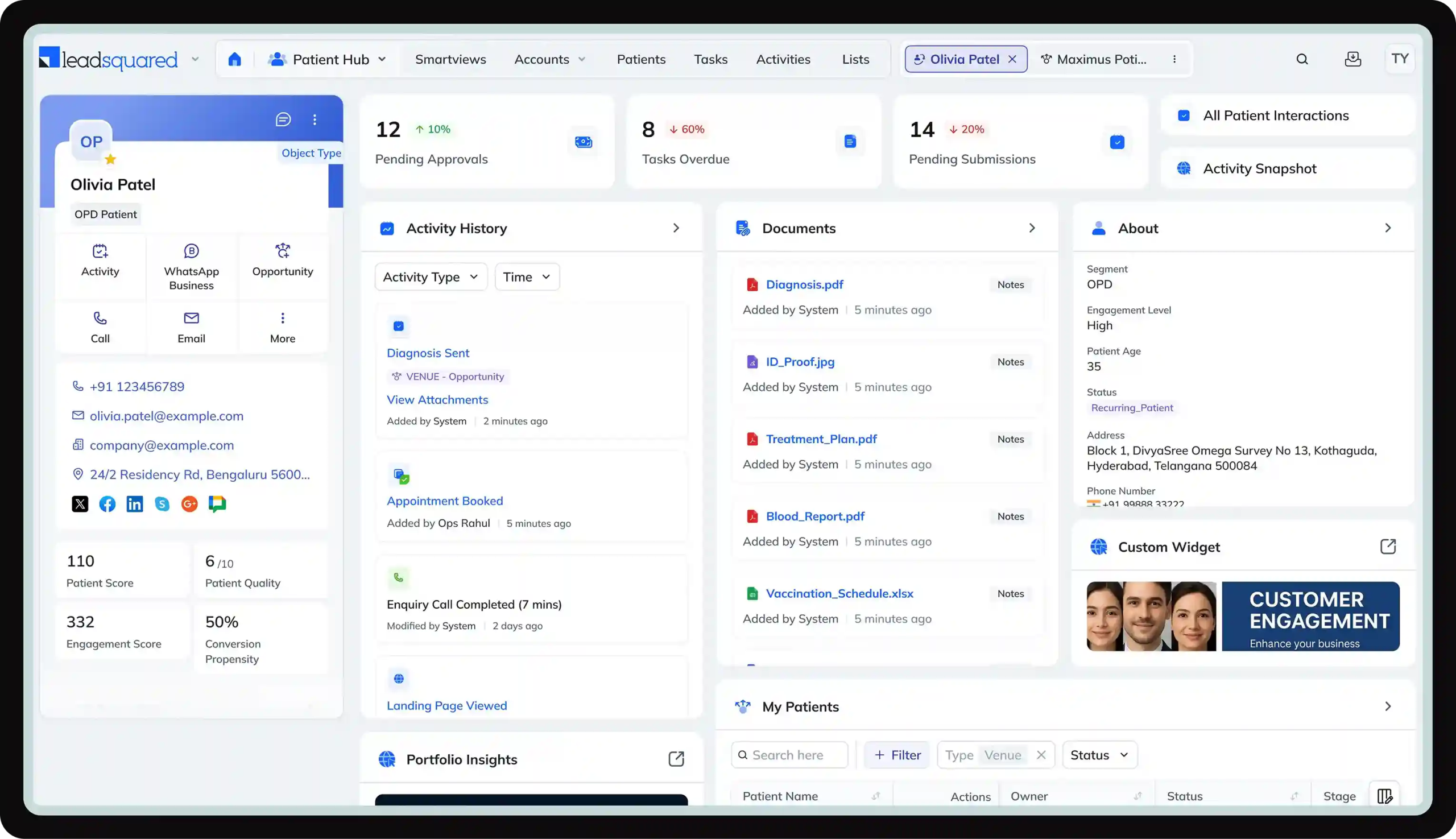

General surgery practices depend heavily on referrals from primary care providers, hospitals, and specialist networks. But managing referrals is rarely straightforward once patients enter the coordination process.
A study published in the International Journal of Medical Informatics reported that approximately 30% to 50% of outpatient specialty referrals are not completed successfully, often due to workflow and communication breakdowns during the referral process.
In many surgical practices, coordinators still rely on calls, spreadsheets, and disconnected systems to manage these workflows. As referral volume increases, maintaining visibility across every patient case becomes harder, and administrative workload continues to grow.
Common operational challenges include:
Built to help surgical practices manage referrals, patient coordination, and pre-operative communication with greater visibility across daily workflows.

Support coordination workflows alongside existing EHR platforms, scheduling systems, and hospital software already used within the practice.

Track patient progress across consultations, scheduling, intake steps, and follow-up activities. Give surgical teams better visibility into each stage of coordination.

Support timely follow-ups and patient communication throughout the referral process. Reduce scheduling delays caused by missed outreach or inconsistent coordination.

Bring patient intake, appointment updates, and pre-operative communication into one connected workflow. Help your team manage surgical coordination more efficiently.

Organize referrals from providers, hospitals, emails, and phone calls in one system. Help staff manage referral activity clearly from the start.

Identify referrals that have not progressed and patients who still need outreach. Help teams respond faster before referrals become inactive.
General surgery practices depend on timely referrals from physicians, specialists, emergency departments, and hospital networks. When referrals are managed across multiple systems and manual processes, staff can struggle to follow up quickly, coordinate next steps, and keep patients moving toward consultation and treatment.
Create a centralized referral workflow that helps your team stay organized and respond to referrals faster.
Before a surgical procedure can be scheduled, staff need to collect medical records, consent forms and pre-op documentation while coordinating with patients across multiple touchpoints.
Create a structured and automated pre-op workflow that helps patients complete required steps on time and gives your team better visibility into surgical preparation.
General surgery practices often manage multiple patient touchpoints before a procedure can take place, including consultations, pre-op appointments, and patient communication.
Create a more organized scheduling workflow that helps your team coordinate consultations, communicate next steps, and keep patients informed throughout the pre-operative process.
General surgery practices frequently rely on repeated communication to help patients stay prepared for consultations, procedures, and follow-up care. Coordinators often spend significant time sending reminders and tracking whether patients have completed the required pre-operative steps.
Build a more organized communication workflow that helps patients stay informed while giving your staff better visibility into ongoing follow-ups.
In many general surgery practices, staff rely on calls, spreadsheets, inboxes, and disconnected systems to keep track of patient progress before and after surgery. As referral volume grows, it becomes increasingly difficult to know which tasks are still pending and what needs to be done next.
Create a more connected coordination workflow so your team can quickly understand the status of every surgical case.
Every stage of surgical coordination involves handling sensitive patient information.
LeadSquared’s referral management software for general surgeons is designed to support healthcare security expectations, including HIPAA-aligned workflows, so practices can coordinate care while maintaining appropriate safeguards for patient data.

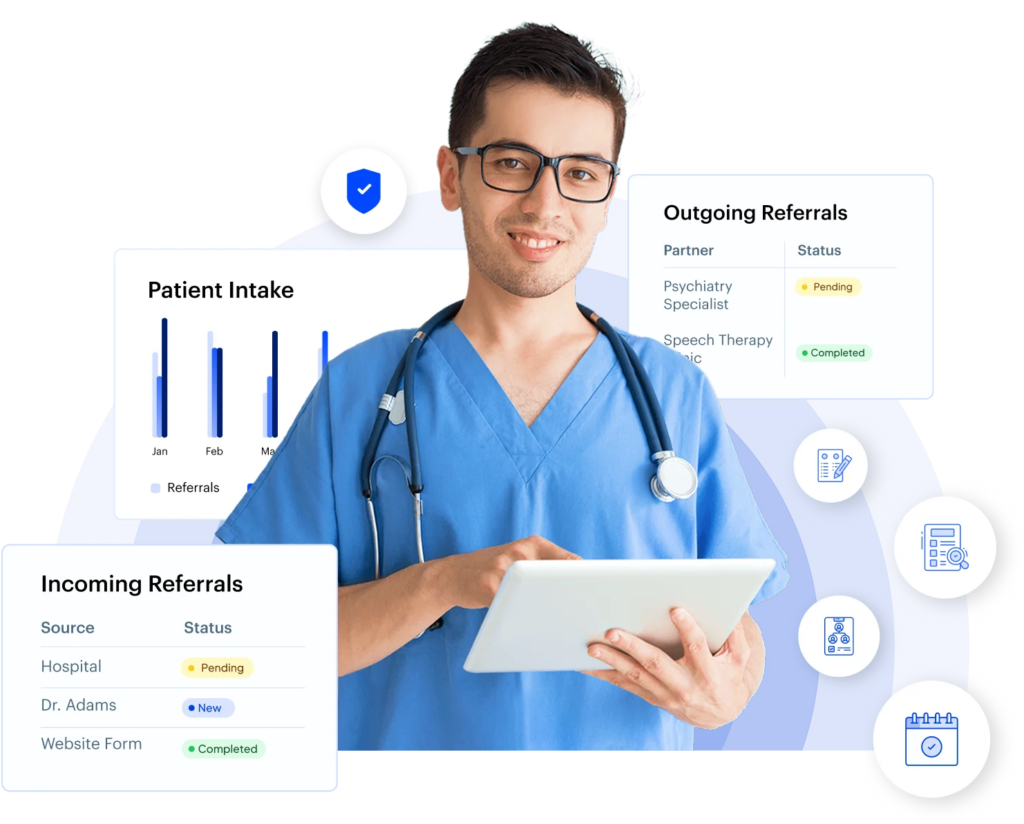
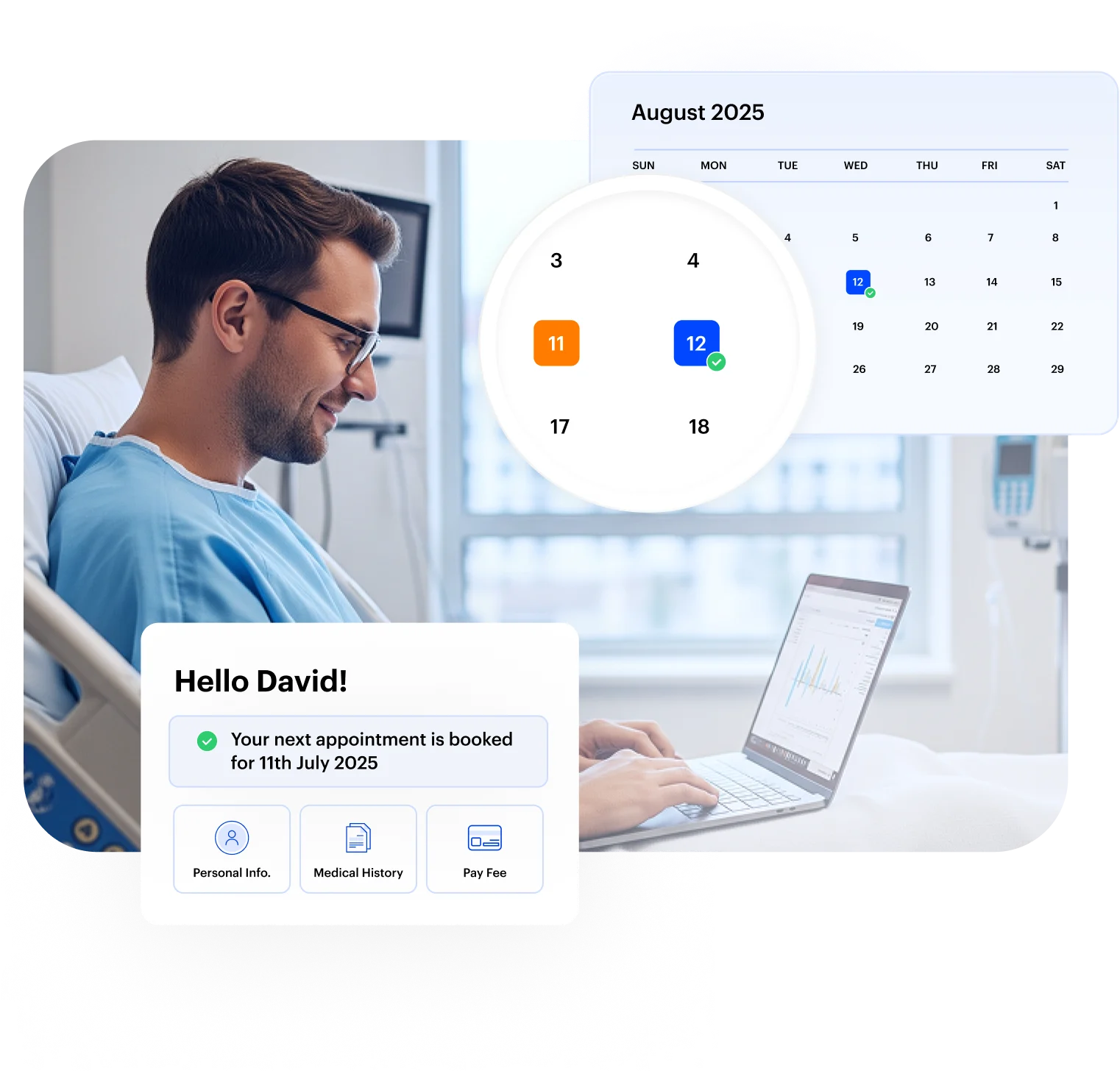
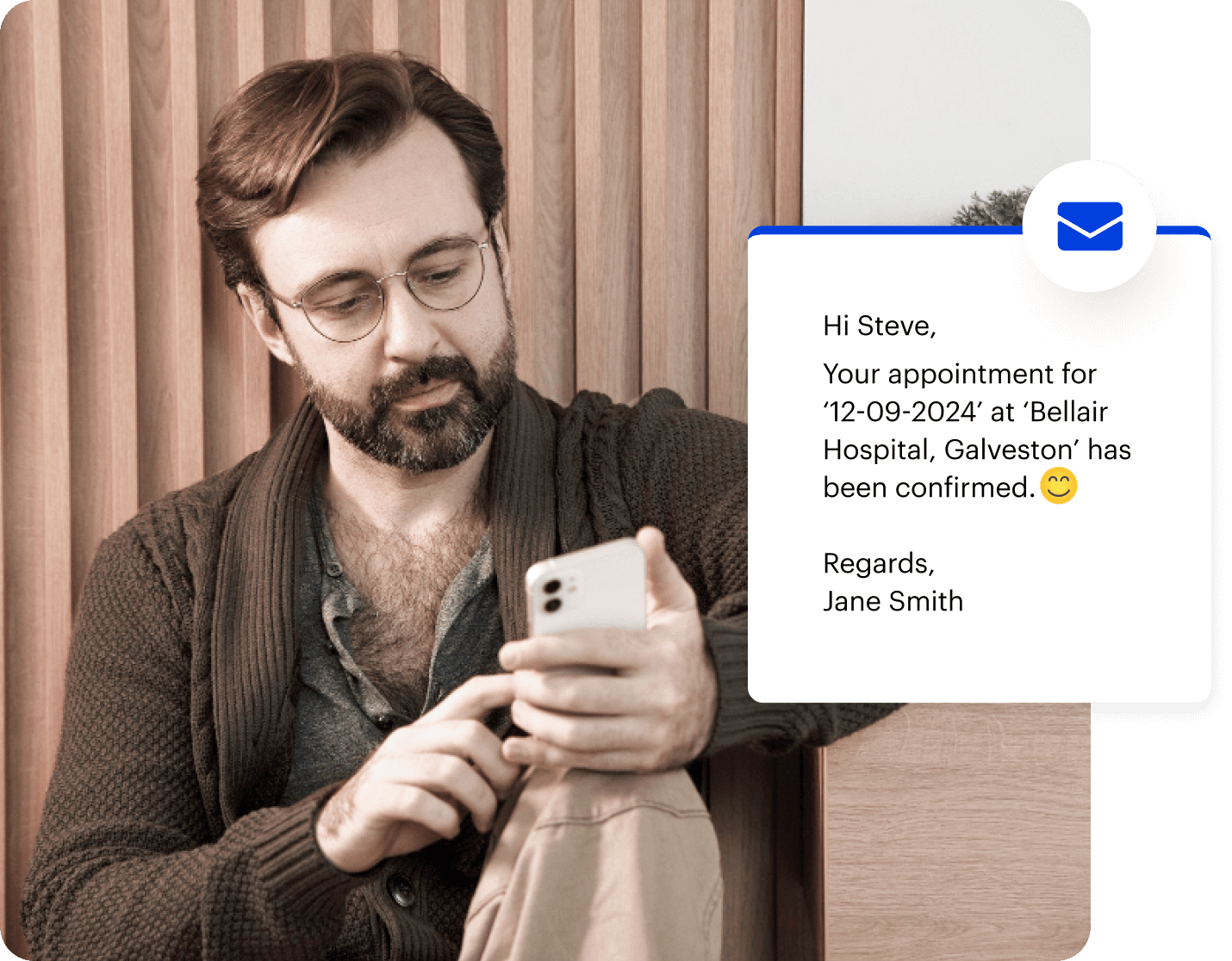


Managing surgical coordination often requires teams to move between multiple platforms throughout the day. Patient details may be stored in an EHR, appointment updates handled elsewhere, and referral communication managed separately through calls, emails, or spreadsheets. When systems are disconnected, even routine coordination tasks can become time-consuming and difficult to track.
Create a more connected operational workflow that helps your staff coordinate patient activity more efficiently across the systems already used within your practice.
Busy surgical practices often manage high referral volumes, appointment coordination, and pre-operative workflows across multiple teams. Gain clearer insight into workflow activity so your team can monitor operational performance and improve surgical coordination.
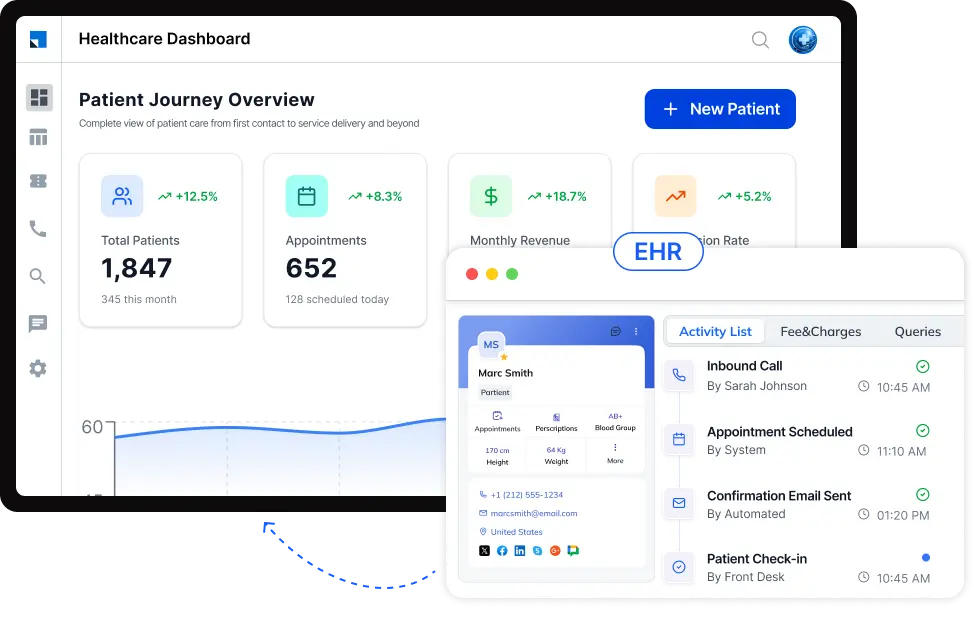
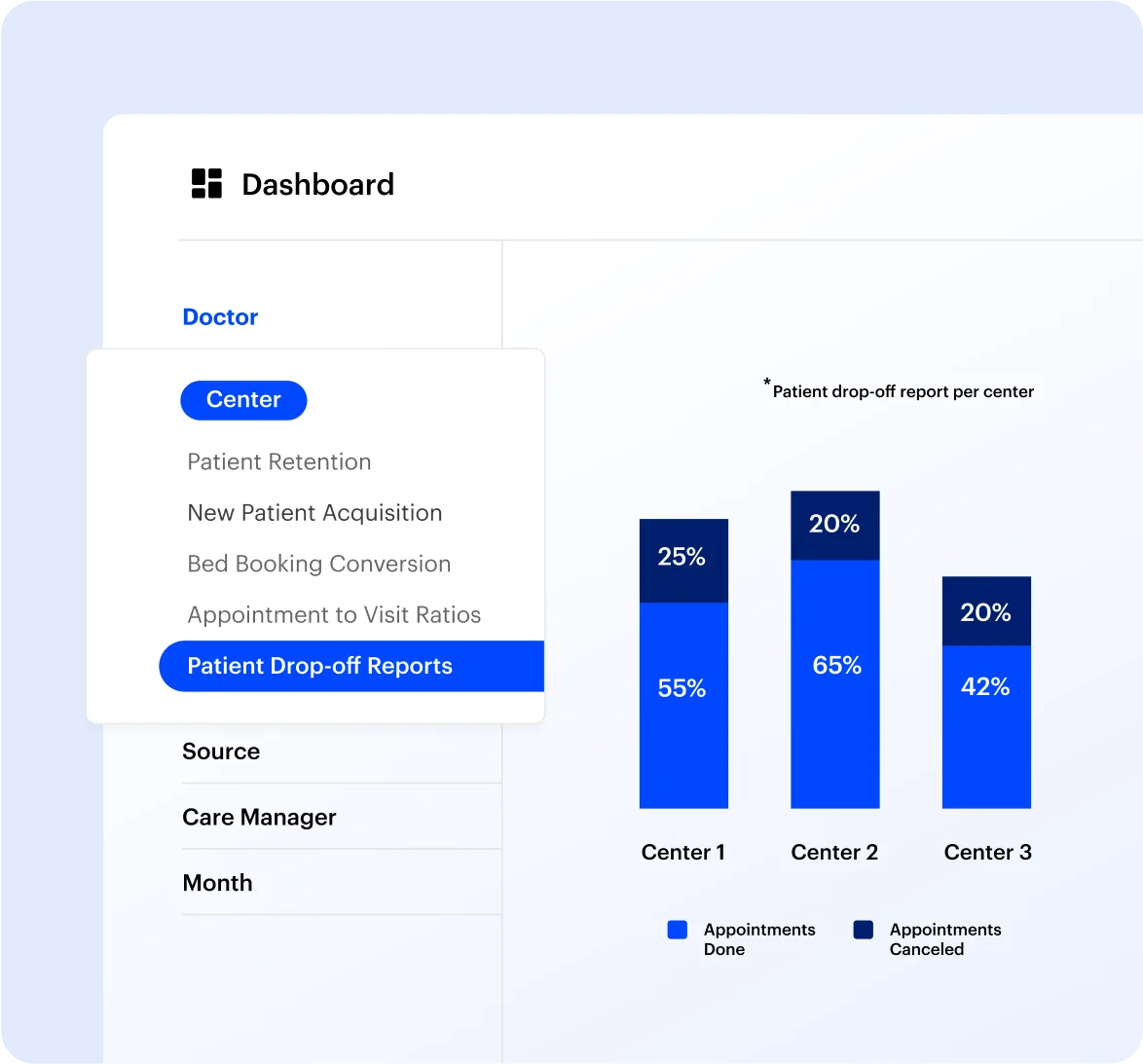
Unify every step from the first visit to ongoing sessions. See how LeadSquared brings everything together.
One of the biggest challenges in surgical practices is referral leakage, where patients never move from referral to consultation. A referral coordination platform helps reduce this by keeping all incoming referrals in one place and showing their current status clearly.
Staff can quickly identify which patients have not scheduled yet, which ones need follow-up, and which referrals are stuck in the pipeline. This visibility helps practices act earlier, instead of losing patients silently between steps.
Yes, especially in general surgery workflows where communication between referring physicians and surgeons is critical. A patient referral workflow tool helps structure this communication by tracking referral status and centralizing updates.
Instead of fragmented calls and emails, teams can maintain a clear record of where each referral stands. This also helps referring providers stay informed about whether a patient has been scheduled or still needs outreach.
In day-to-day use, a referral management system typically shows each patient as they move through different stages such as referral received, contacted, scheduled, or completed consultation.
Coordinators do not need to search across systems or follow up blindly. They can simply open the dashboard and see what needs attention. This is especially useful in high-volume practices where multiple referrals arrive every day and timing matters.
Yes. Follow-ups are a major part of surgical workflows, especially when patients delay scheduling after being referred. A surgical referral tracking system can help teams set reminders and structured follow-ups, so patients are contacted at the right time.
This reduces the reliance on manual calling lists and helps ensure patients stay engaged until they complete their consultation.
It does, mainly by removing the need for manual tracking. Coordinators in surgical practices often spend a significant portion of their time checking referral status, updating spreadsheets, or following up with patients individually.
A referral management software for general surgeons centralizes this work, so staff can focus more on coordinating care rather than managing administrative tracking tasks.
In many practices, referrals are received through multiple sources like fax, email, or direct provider communication. Without a structured system, some of these can easily be missed.
A referral management platform ensures that every referral is logged and tracked in a single system. If a patient has not moved forward in the process, it is visible immediately, which helps reduce drop-offs before consultation.
Yes, and in many cases, it is even more impactful for smaller practices. Smaller surgical teams often have fewer administrative staff, so manual tracking becomes harder to manage.
A surgical referral tracking system helps smaller teams stay organized without increasing headcount, especially when referral volume grows or when multiple surgeons share incoming cases.
A referral management software for general surgeons helps keep referral status organized, so communication with referring physicians becomes more structured. Instead of unclear updates or missed follow-ups, teams can quickly see whether a patient has been scheduled or is still pending.
This improves trust between referring providers and surgical practices, since updates are more consistent and easier to track.



 Patient engagement software for rheumatologists
