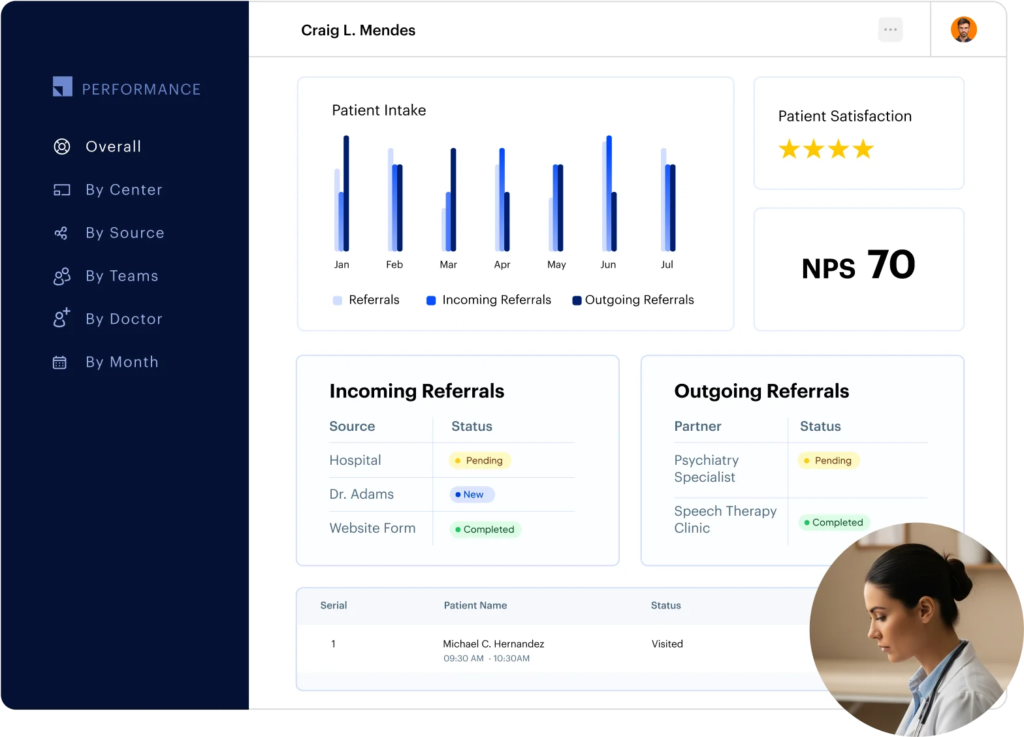
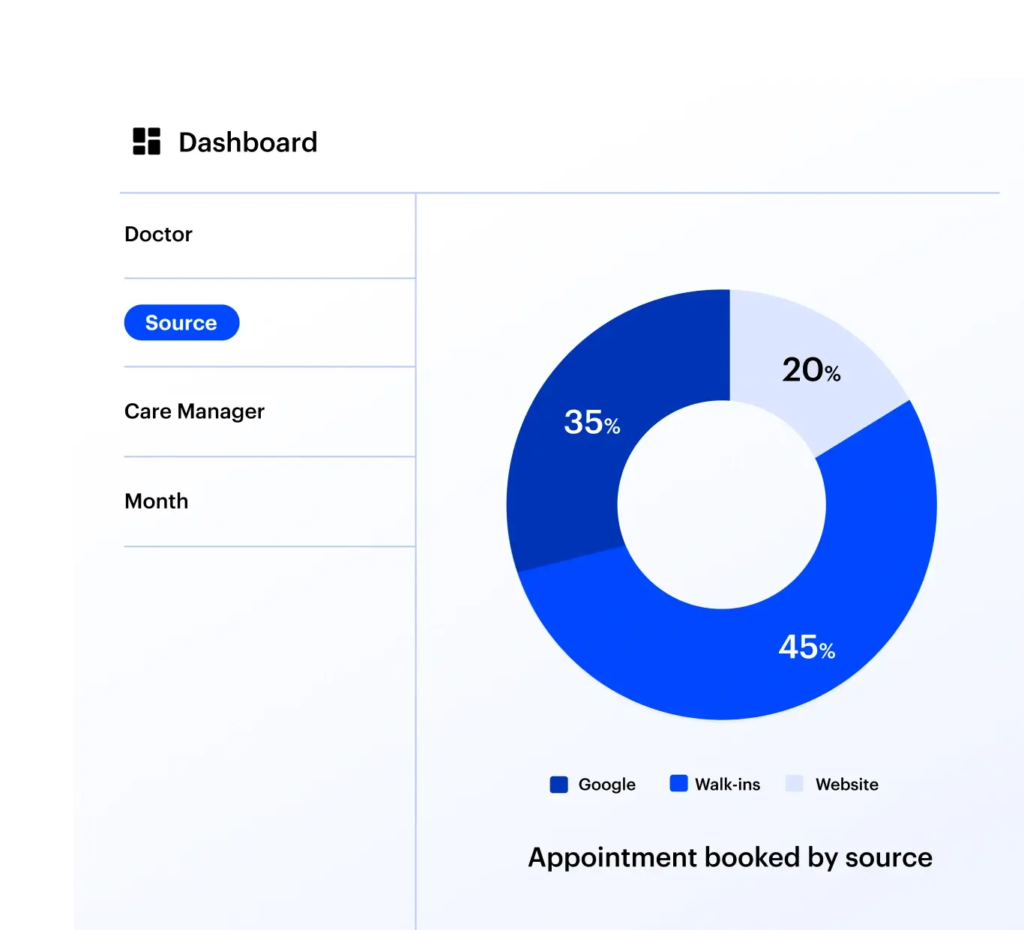
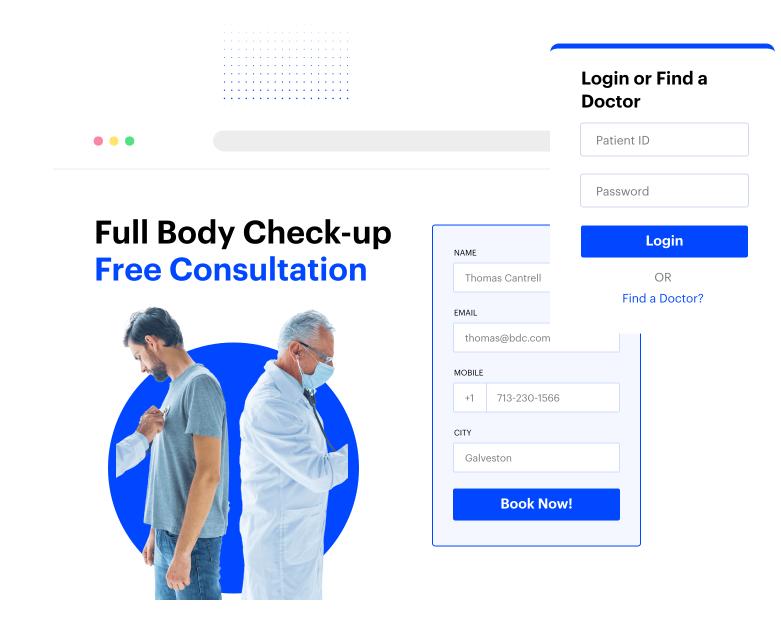
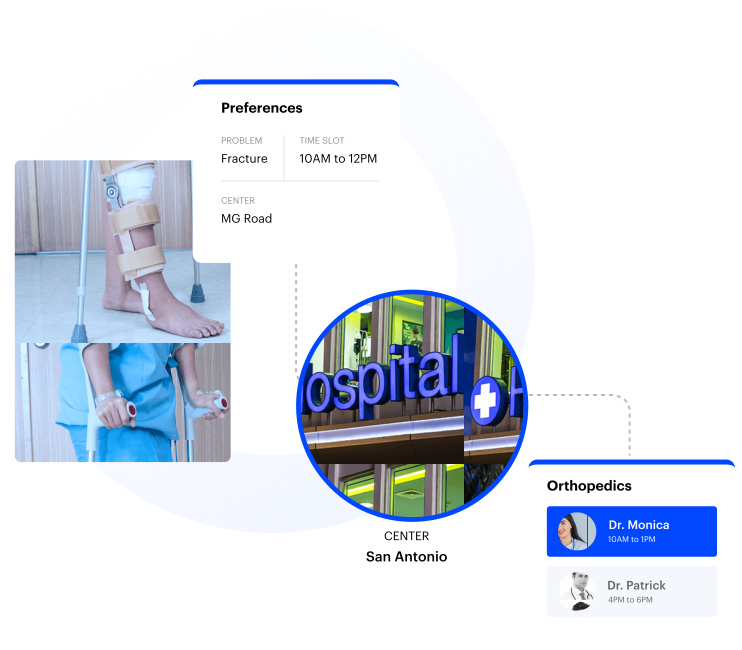
But in many clinics, the process is still manual and fragmented.
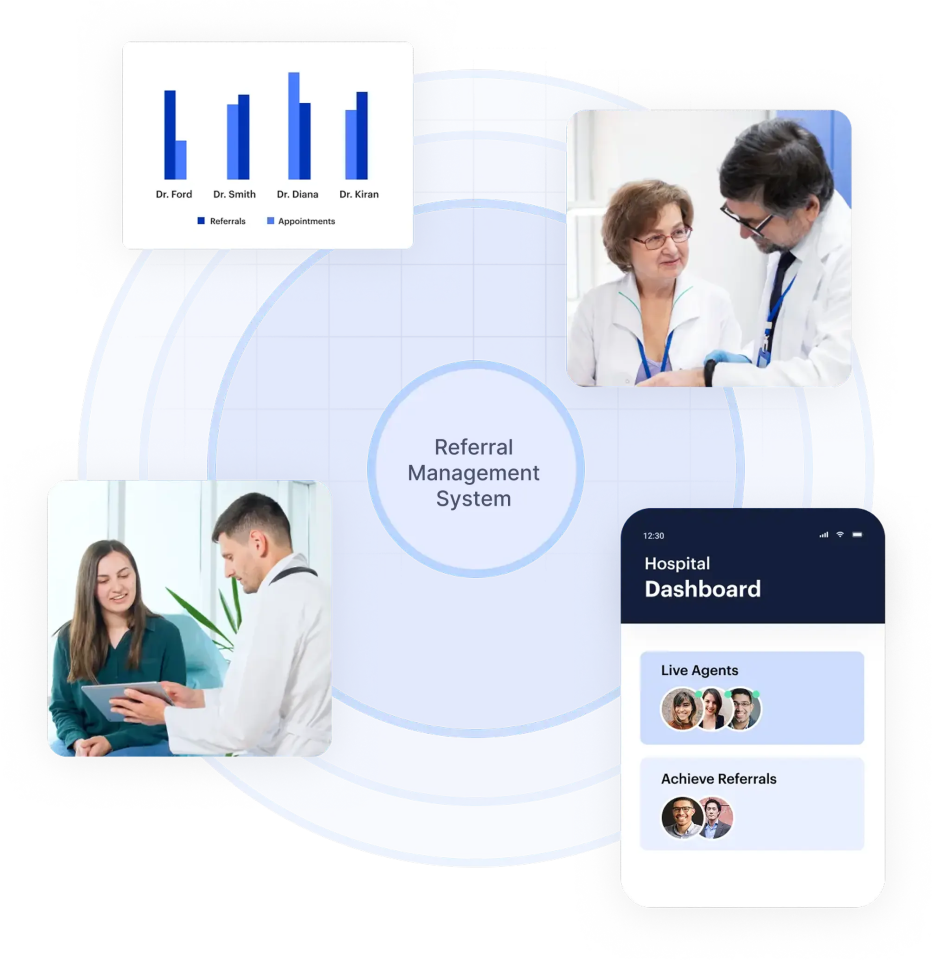
Referrals come in from multiple channels like fax, phone calls, and emails. Staff must gather and enter this information into systems, which takes time and increases the risk of errors. At the same time, neurology often involves urgent conditions like stroke or seizures, where delays can impact outcomes. Yet patients still wait weeks or months, often due to inefficiencies in processing and scheduling referrals.
Neurology care is also complex, requiring coordination across diagnostics and specialists.
As a result, clinics struggle with:
- Scattered referrals across channels
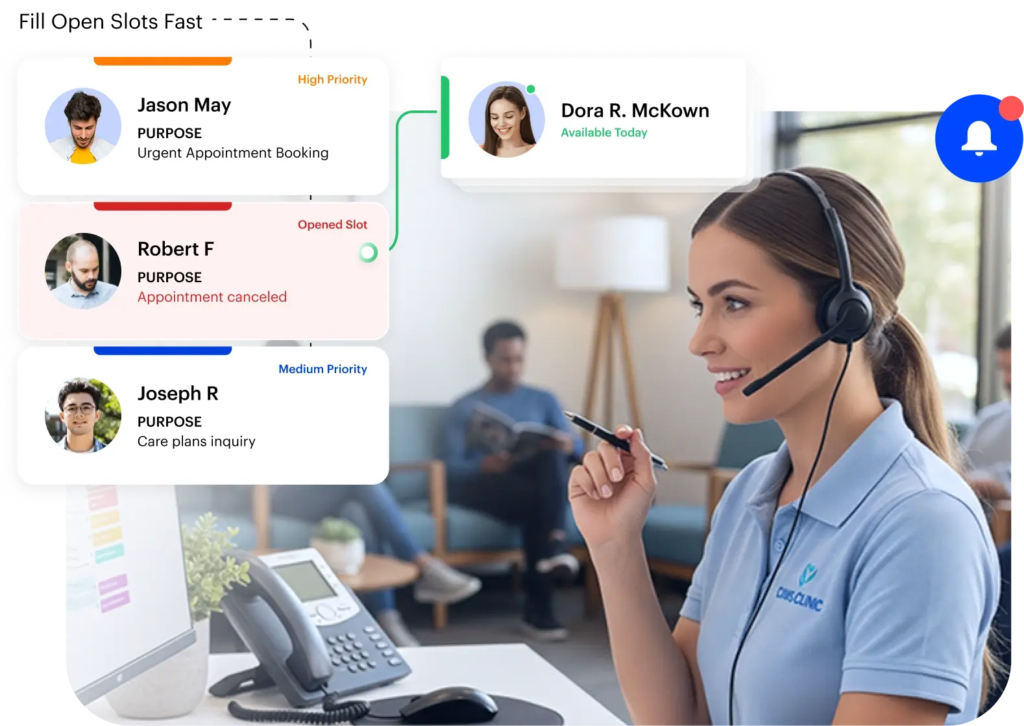
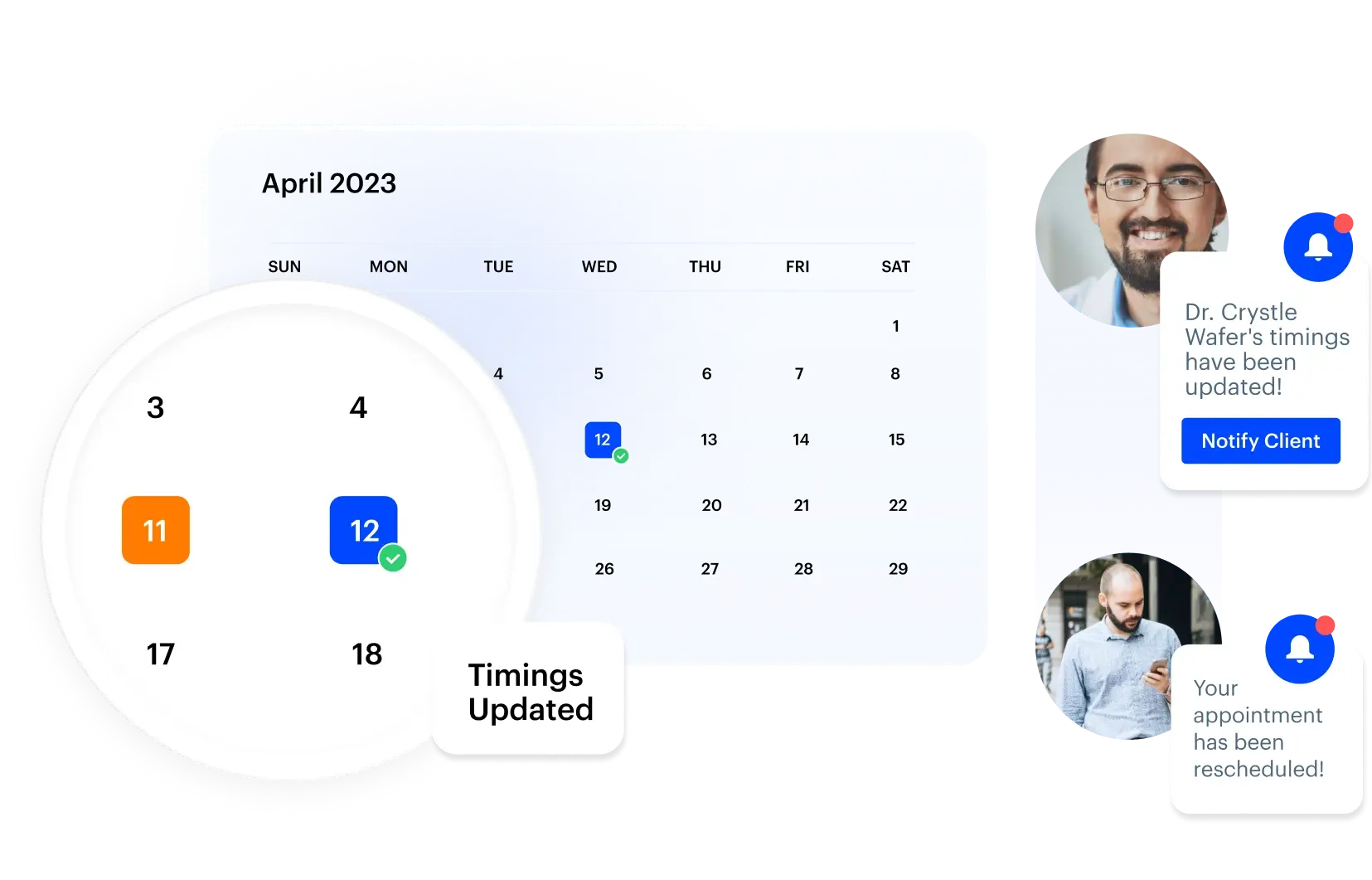
- Delays in triage and scheduling
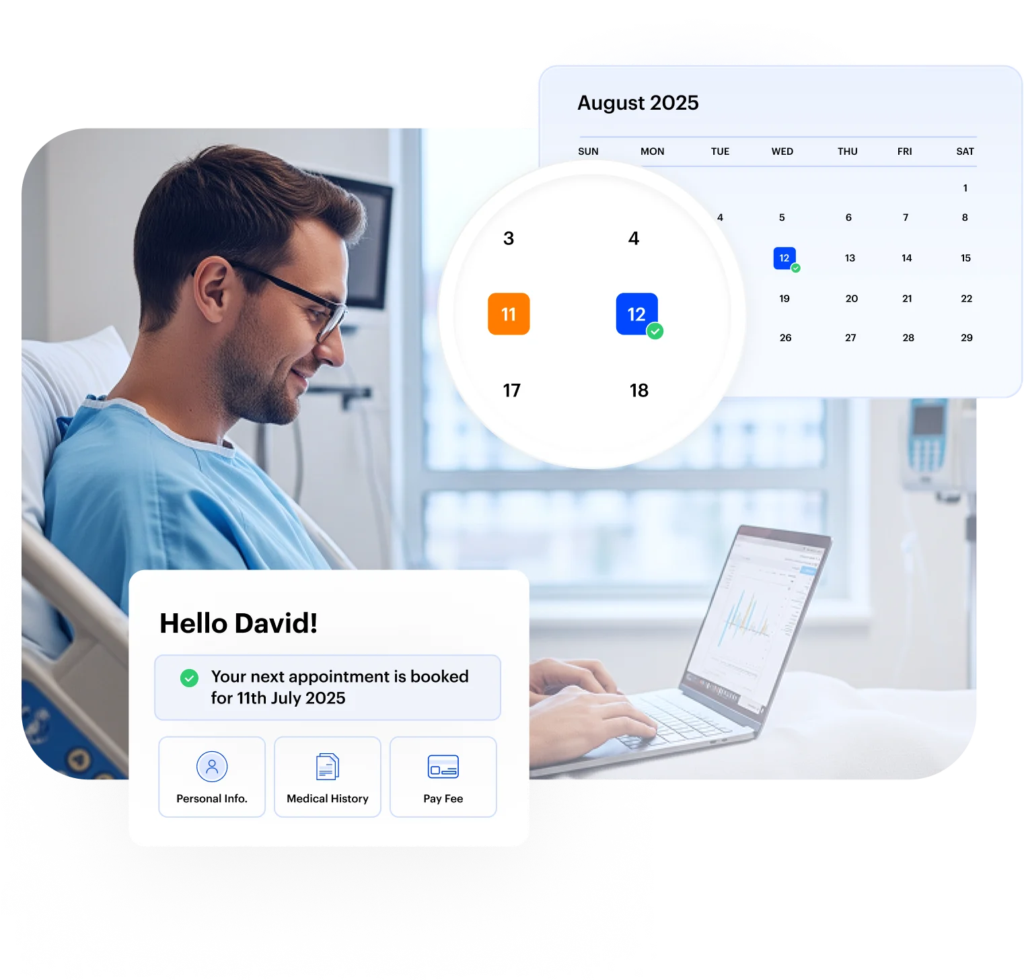
- Limited visibility into referral status
- Lost or unconverted referrals
- Complex care coordination