




MARKETING
Higher education content marketing: Strategies that improve enrollment
Contents

 29 min read


You’ve probably been asked to refresh your education institution’s content marketing strategy, and to do more with less.
Student demographics are shifting, domestic enrollment growth has stalled at many institutions, and international enrollment dropped sharply in fall 2025 — with graduate programs hit hardest. Add to that the federal policy environment: funding investigations, loan cap changes, visa program disruptions, and accreditation pressures that are reshaping institutional priorities faster than most marketing teams can respond.
It’s a lot to navigate. But it’s precisely in moments like this that consistent, credible communication matters most. A content marketing strategy built on clarity and authenticity doesn’t just support enrollment — it signals to prospective students that your institution is stable, purposeful, and worth choosing.
Let’s dive right into some higher education content marketing strategies.
Tool and platform references throughout this guide include solutions from our own portfolio as well as third-party options.
Content marketing helps institutions differentiate themselves, establish trust, and provide valuable insights that guide students through their decision-making journey.
Below are some numbers to put this into perspective! (Source: SearchInfluence).
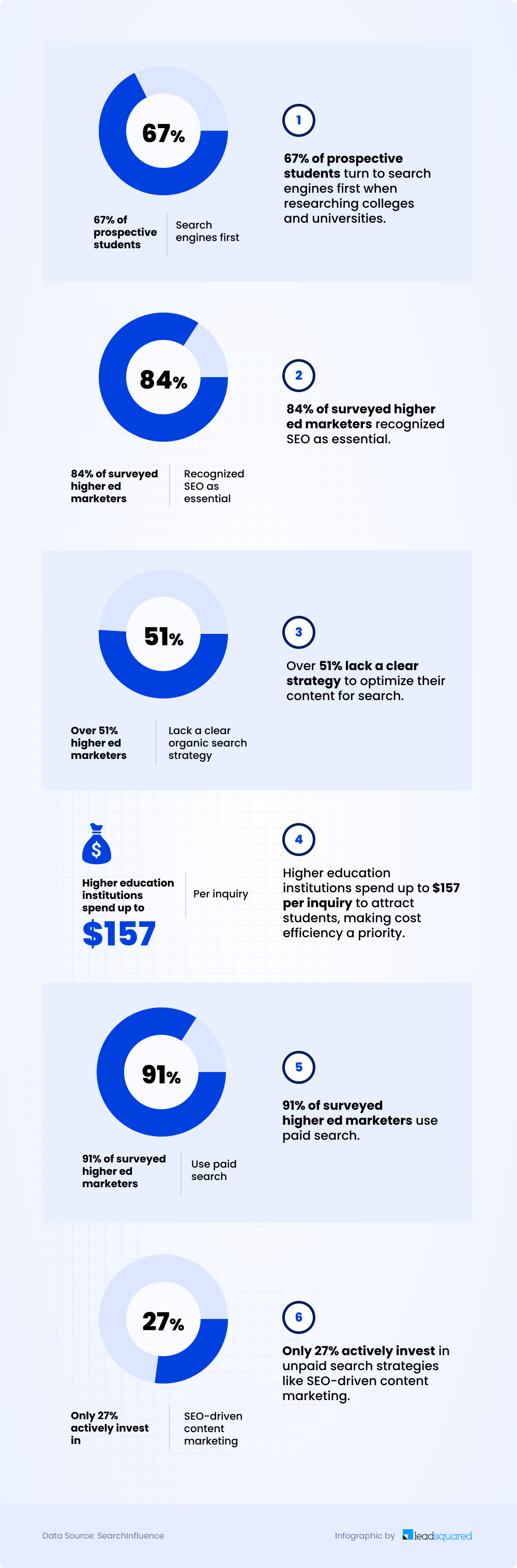
Graduate enrollment marketing costs vary significantly by channel mix. RNL’s annual enrollment research consistently identifies over-reliance on paid outreach as a key cost driver for graduate programs.
SEO is just one small piece of the content marketing puzzle, yet this data highlights how underutilized organic strategies are in higher education. A well-planned content marketing approach – focused on valuable, search-optimized content – can increase reach, enhance student engagement, and reduce reliance on expensive paid ads by driving organic (free) traffic.
That’s the power of a well-planned higher education content marketing strategy. You can reduce the cost of acquiring students, and you know how important that is right now when budgets are uncertain.
Now that we have had a glimpse of how underutilized content is in higher education marketing, let’s discuss building a content marketing strategy that actually works:
Identify your prospective students to create messaging that truly resonates:
It’s essential to understand their values, the issues they wish to address, and their long-term aspirations. Additionally, consider the importance they place on aspects such as flexibility, affordability, location, and networking opportunities.
Equally crucial is understanding how these potential students engage with content. Are they mainly active on social media platforms like Instagram or TikTok, or are they professionals active on LinkedIn? Do they lean towards reading in-depth articles or prefer watching short-form videos and reels? Some students may respond more positively to visual content, while others might be more interested in comprehensive articles or interactive experiences.
In practice:
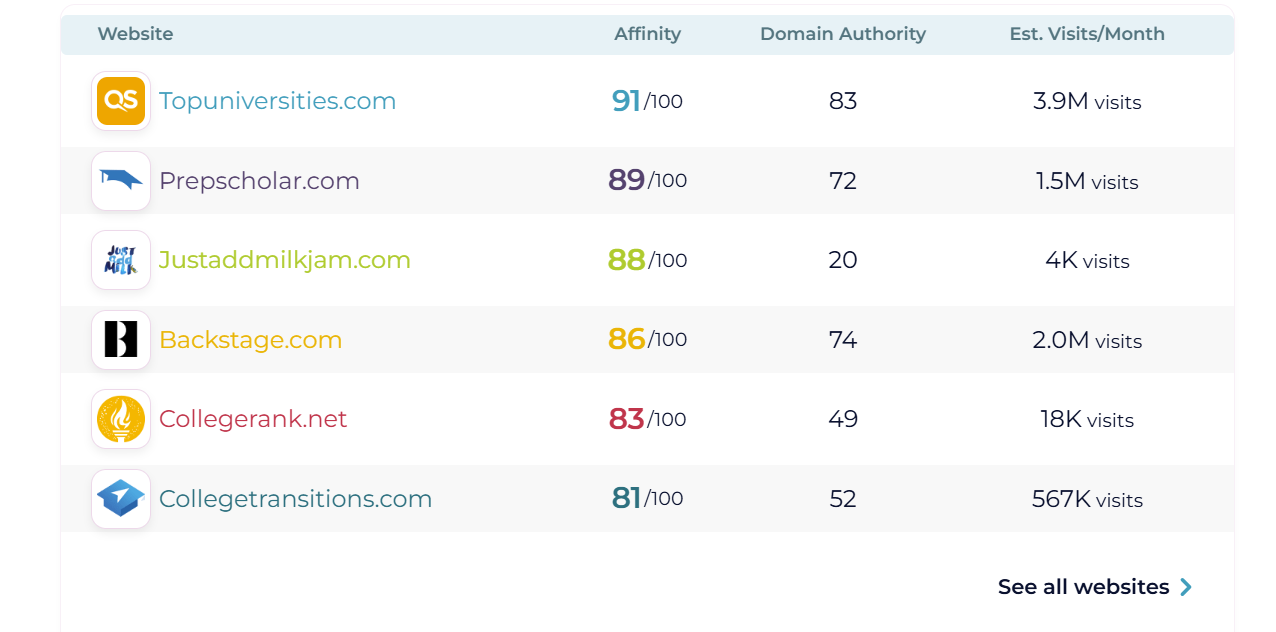
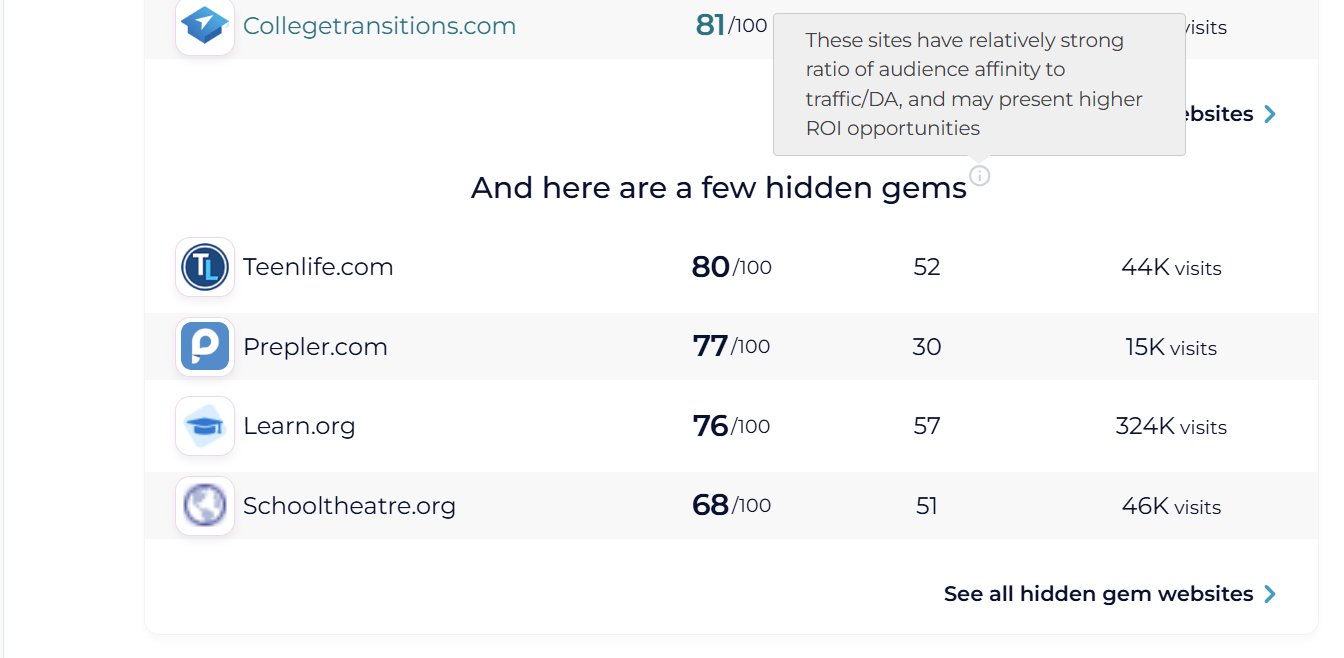
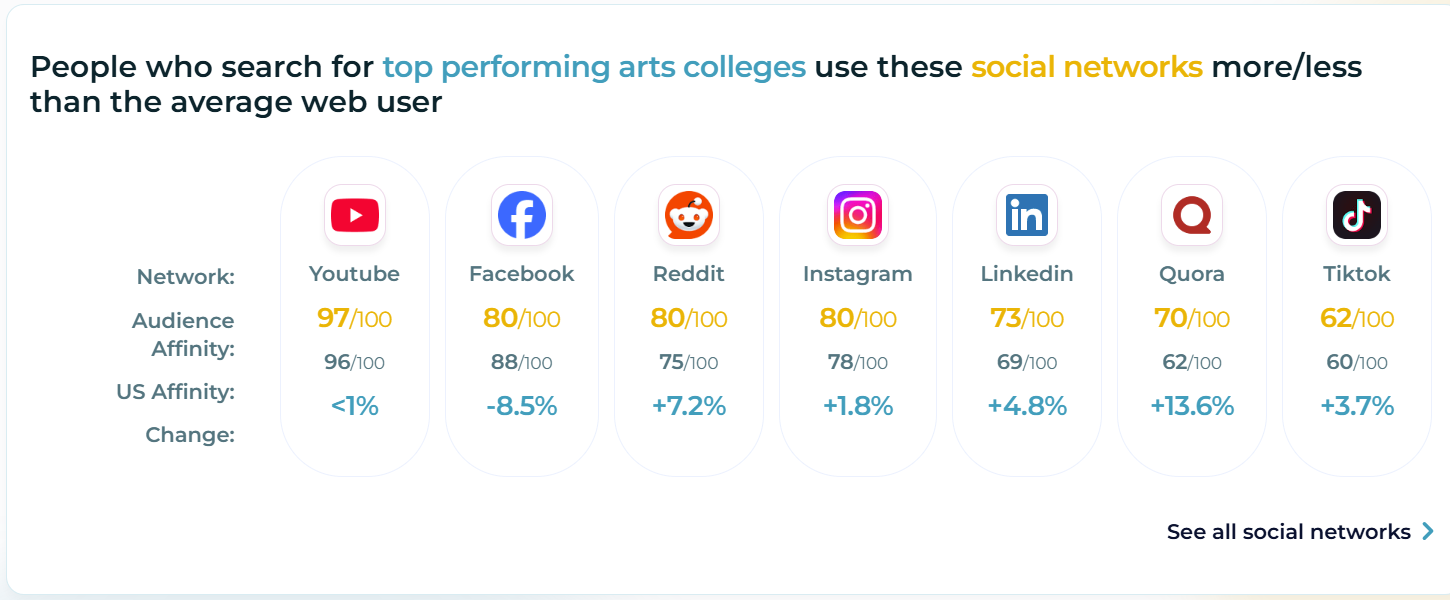
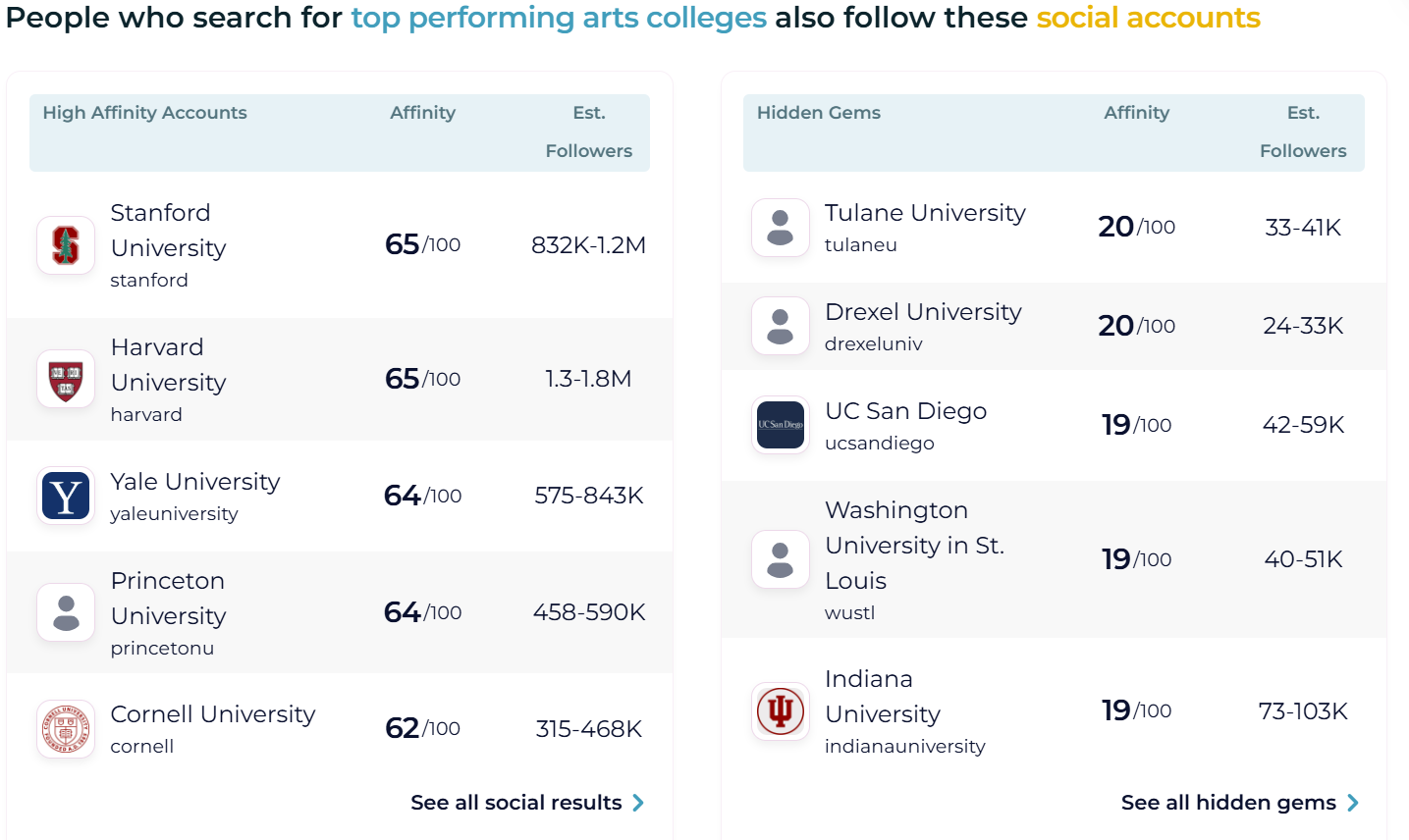
Let’s take a search term a student might use and dig into the demographics and interests. (Tool Used: SparkToro) .
We chose the keyword: “top performing arts colleges” to do the analysis.
a) Here are the top websites being visited by these students:
b) Here are the social networks used by them:
c) The social accounts followed by them:
d) The content they consume:
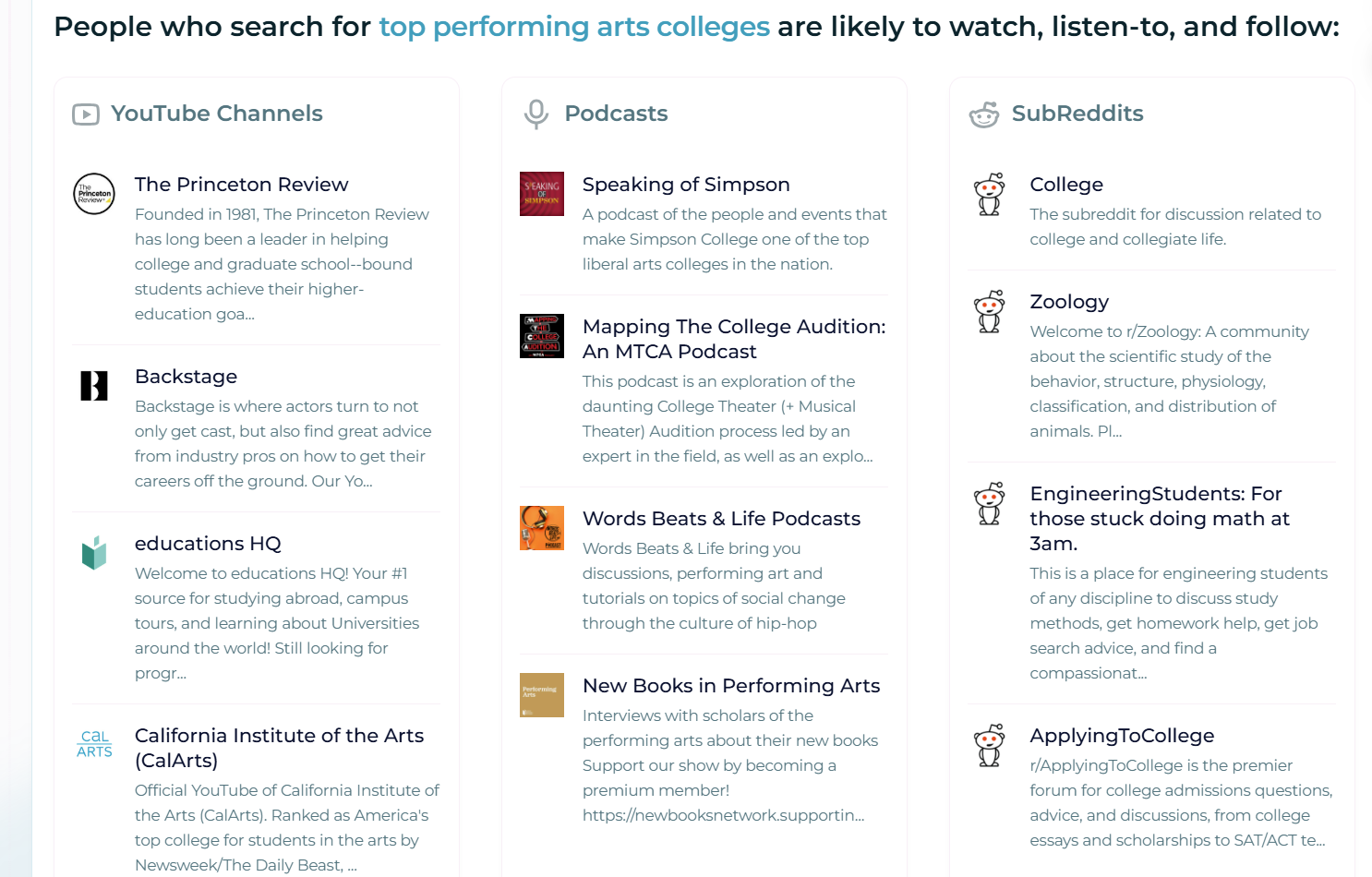
This exercise would give you a clear 1st step to creating your higher education content marketing strategy. You’d know the right platforms, content, and channels to use.
Define what success looks like for your content marketing strategy – boosting website traffic, generating leads, or improving enrollment rates – so that every piece of content has a purpose and contributes to your broader marketing efforts.
Once you define your goals, break them down into actionable steps that can be tracked and measured. For instance, if your goal is to increase applications for a new Data Science program, here’s how you can break it down.
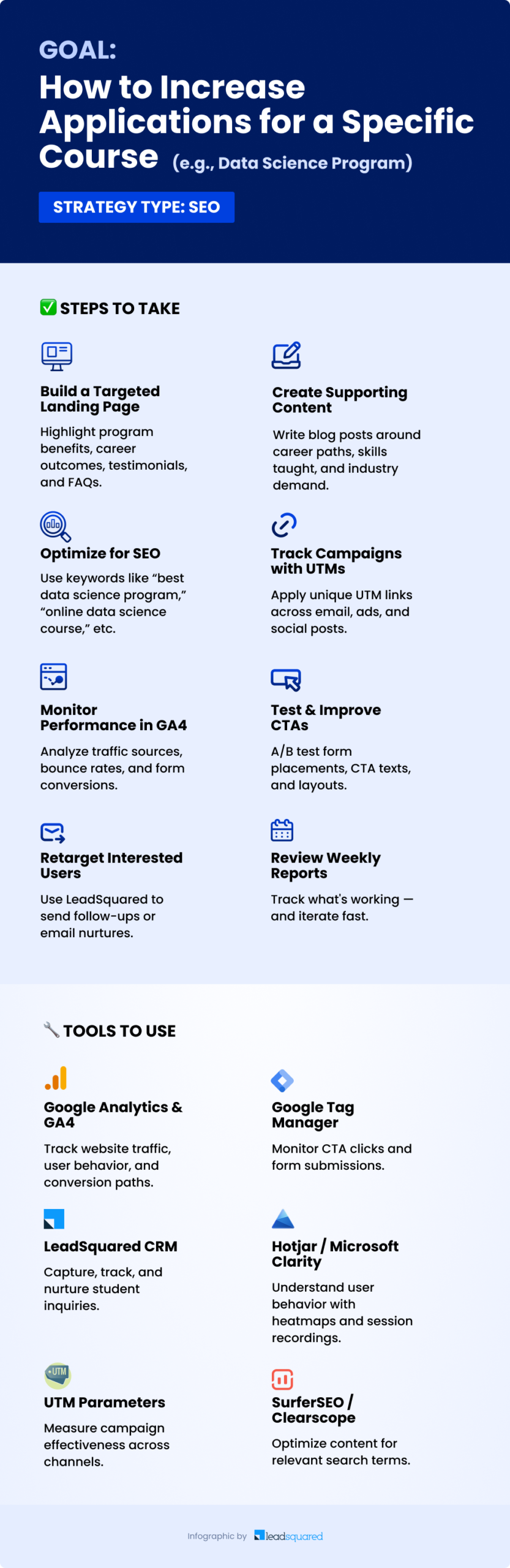
Consider using tools like Google Analytics to monitor visitor behavior and pinpoint which content and channel is generating the most engagement for the said course. Establish clear conversion paths and make sure your calls-to-action (CTAs) are optimized to encourage prospective students to take the next step.
Having this solid understanding also enables you to assess the performance of your content over time. Whether it’s through the number of student inquiries, the quality of the audience engaging with your content, or an increase in applications, measurable goals provide the insights necessary to continuously refine and enhance your strategy.
Choosing the right channels for your higher education content marketing efforts is essential for effectively reaching and engaging your target audience. Not every social media platform, site, or communication method will resonate with every prospective student. By understanding your audience’s preferences, you can select channels that will have the greatest impact and help you meet your objectives. Start by examining where your prospective students are most active.
For instance:
Creating a content calendar allows institutions to effectively plan, organize, and align their marketing strategies with important academic events, deadlines, and promotional periods. A well-organized content calendar helps colleges and universities maintain a consistent and relevant online presence across various platforms, such as social media, blogs, email newsletters, and websites. By planning content in advance, marketing teams can ensure they address prospective students’ questions and concerns at the right times, whether during the application process, enrollment period, or orientation. Additionally, it streamlines the content creation process, minimizing missed opportunities for timely engagement.
In the realm of higher education marketing, a content calendar also fosters better collaboration among departments, ensuring that marketing efforts align with admissions, faculty, alum relations, and student services. Institutions can plan content around significant events like open houses, campus tours, scholarship deadlines, and graduation ceremonies, ensuring that each piece of content supports the broader goals of recruitment, retention, and community building.
Aligning the tone, language, and main themes of the messaging with the right target audience is important. This will help them find resonance, preserve authenticity, and maintain consistency throughout all communication platforms. Higher education prospects can roughly be broken down into:
1. Intended students — prospects who’ve expressed a legitimate interest in applying to your institution.
Content messaging for this group should be centered on differentiating your school from its competitors and highlighting your unique selling points. For intended students, you’ll want to create:
For example, here’s how the Clemson University does it.
2. Applicants — students who’ve filled out the requisite forms and hit “send” on their applications.
This group has decided to invest time and money into landing a spot at your institution. Of course, this doesn’t mean they haven’t applied elsewhere.
Students at this stage need to be kept “warm” with increased person-to-person contact from your team, such as:
3. Accepted applicants — students who’ve been accepted to your institution and/or begun the enrollment process in some capacity.
Of course, accepted applicants are still prospects, so your admissions team must nurture them and hold their attention until they sign on the dotted line. Content for accepted applicants should be even more granular in its approach, ramping up interpersonal outreach efforts and providing detailed, informative answers to their questions through projects such as:
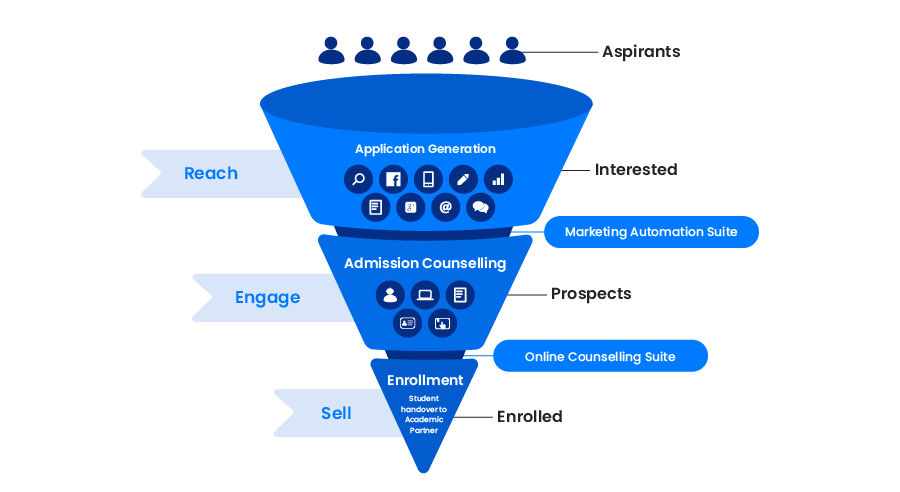
Note that failing to cultivate genuine connections with accepted applicants can result in lower yield percentages and higher melt rates. Content for these audiences should be expertly curated, personalized, and distributed with care.
Personalization has become essential in higher education marketing, rather than just a nice-to-have. It has a proven track record and can remove the “feeling like a number” syndrome that tends to alienate prospects across nearly every industry. Prospective students seek content that resonates with their needs, interests, and aspirations. This approach helps connect a university’s programs with a student’s personal goals.
Here are some effective ways to implement personalization in content marketing for higher education:
a. Dynamic Website Content: 77% of potential students trust university websites over other sources. Students who visit an educational institute’s website often seek specific information about programs, campus life, admissions, and financial aid. By utilizing dynamic content — such as personalized landing pages or program-specific content — colleges can speak directly to the individual visitor’s interests.
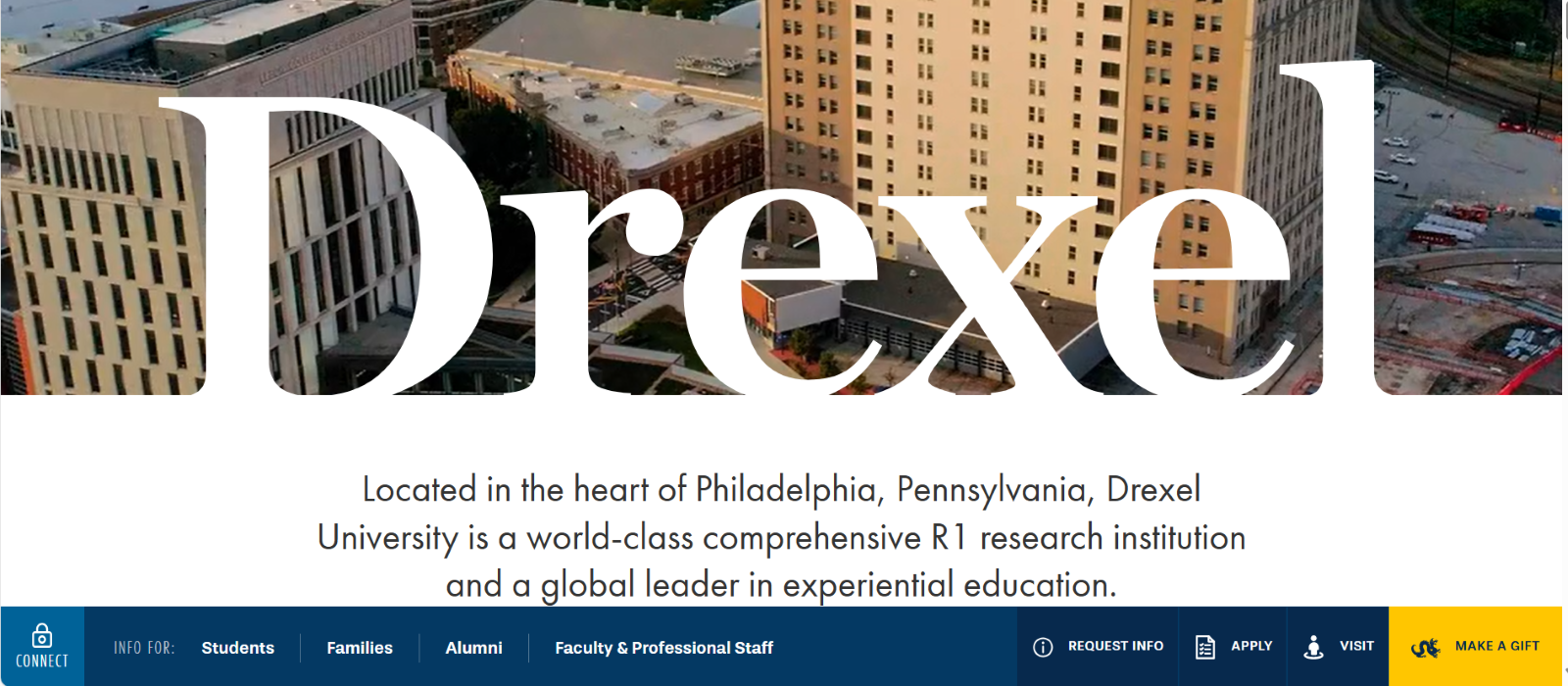
As seen above, Drexel University has placed call-to-action (CTA) buttons thoughtfully. Effectively directing user behavior, the CTAs are made to be visually appealing without being intrusive, whether they are urging potential students to apply, welcoming guests to an open house, or asking alumni to make a donation. Also, whether you are a student, a family member of the student, an alum, or a faculty member – you have separate pages and sections on the website to access the information you need.
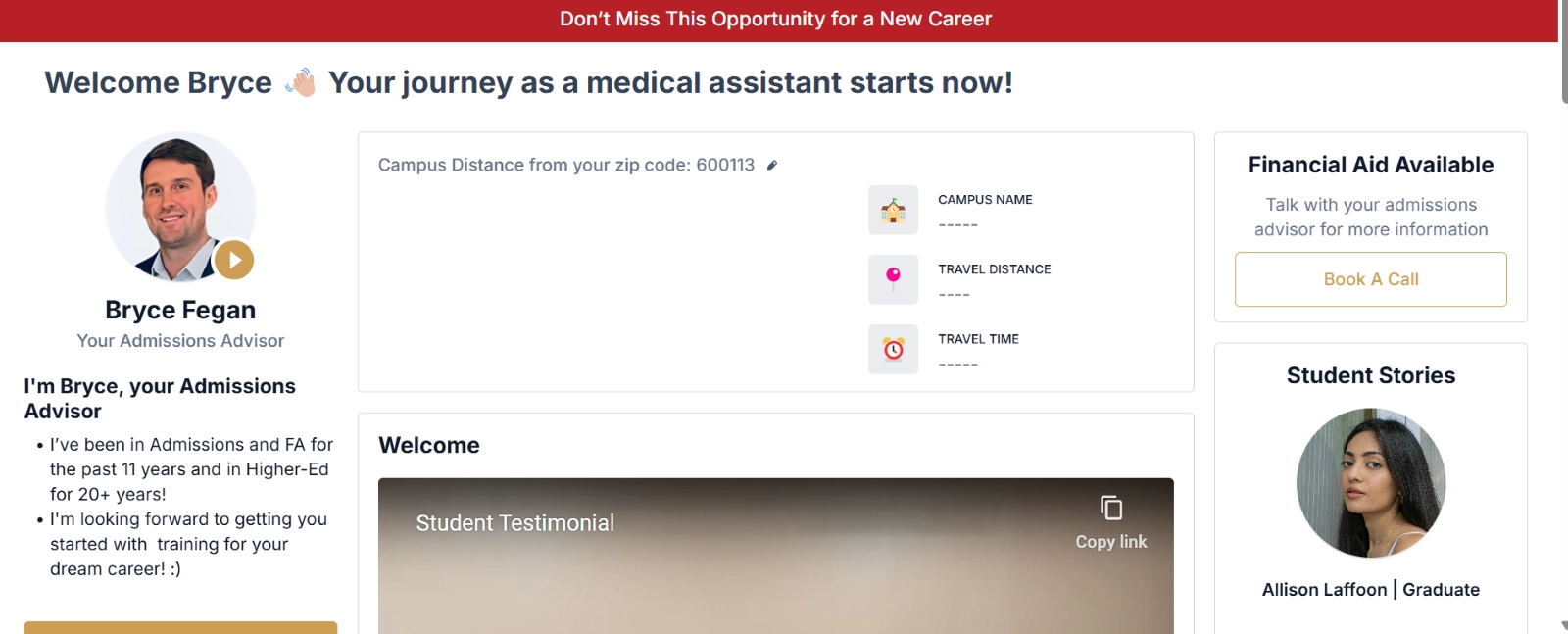
A CRM (like LeadSquared) with behavioral tracking can help identify which program pages a student visits and trigger relevant follow-up content based on those signals.
b. Personalized Email Campaigns: Higher education institutions can enhance email engagement by tailoring messages based on student profiles. These could include personalized subject lines, content related to their academic interests, or invitations to events that match their timeline or location.
Personalized email campaigns keep prospective students engaged and help foster a stronger connection with the institution. Effective segmentation typically starts with three variables: the student’s program of interest, their stage in the enrollment funnel (inquiry, applicant, admitted), and their engagement history — which pages they’ve visited, which emails they’ve opened, which events they’ve attended. From there, automated workflows can trigger the right message at the right moment, without manual intervention. CRM and automation platforms such as LeadSquared, HubSpot, and Slate are commonly used by enrollment teams to manage this at scale.
c. Targeted Social Media Content: Social media platforms like Instagram, Facebook, and LinkedIn provide opportunities for universities to create targeted content based on student demographics and interests. By using analytics to understand a student’s behavior, institutions can serve tailored content that addresses specific concerns, such as campus culture, internships, or career outcomes.
By creating relevant, compelling, and informative content, institutions can nurture prospective students and guide them through each stage of the enrollment journey. Here are some key tactics for higher education content marketing:
Blog posts and articles serve as an effective means to address the questions and concerns of potential students. Whether it’s about understanding financial aid or choosing a major, students frequently seek answers online.
By crafting blog posts that deliver useful insights, such as “What to Expect During Freshman Year” or “How to Choose the Right College Program”, universities can establish themselves as knowledgeable resources and foster trust with prospective students. A well-maintained blog allows institutions to directly address the challenges faced by their audience, encouraging them to revisit the website for more valuable information.
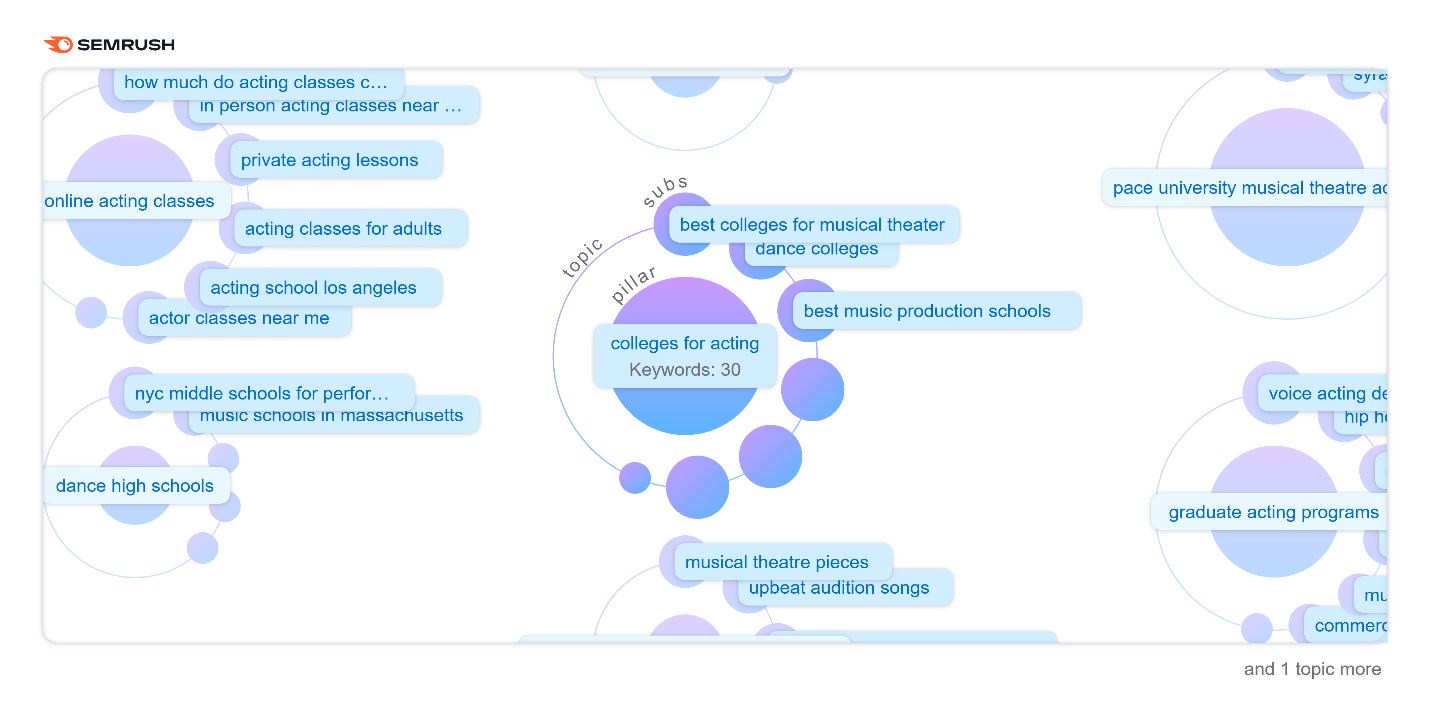
Tip: Using tools like Semrush, higher education institutions can take advantage of topic clusters, as you can see above. Topic clusters are a technique that improves SEO and facilitates user navigation by organizing similar material around a single, pillar topic. Higher education marketers can begin by choosing a broad, central topic (such as “best acting programs”) and then using Semrush’s keyword research tool to find long-tail keywords or related subtopics that fit students’ search intent.
For instance, a search for “What can expect during freshman year” may turn up certain subtopics like “Tips for adjusting to college life” or “Freshman year schedule examples.” Institutions can develop a robust content ecosystem that raises search engine rankings and maintains reader engagement by writing blog entries clustered around these subtopics:
Video content and virtual tours have become vital tools for attracting prospective students today. Well-produced videos enable institutions to highlight their campus, facilities, and student life in ways that text and images simply can’t. Virtual tours give students the chance to explore the environment from the comfort of their homes, offering a genuine sense of the campus experience.
By showcasing important areas like lecture halls, dormitories, libraries, and recreational spaces, prospective students can better imagine themselves at the institution. These engaging experiences not only generate excitement but also create a stronger connection with the campus, which can significantly influence their decision to apply or enroll.
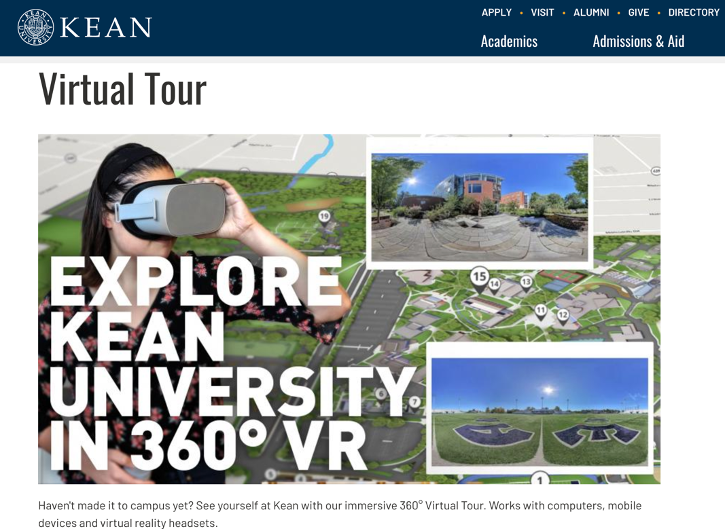
Quick Tip: FloStack can help you create a virtual tour microsite based on students’ interests.
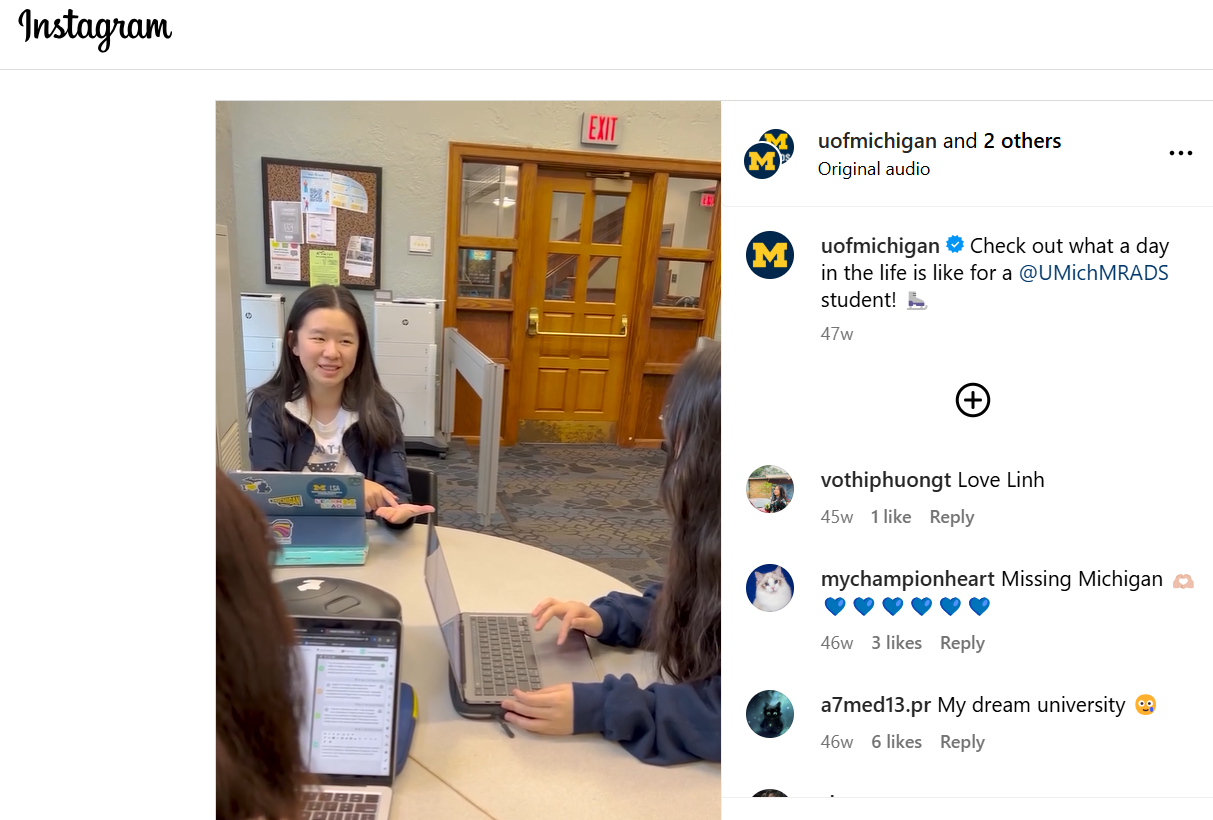
SSocial media platforms are a powerful tool for higher education institutions to reach prospective students and promote their academic programs. By leveraging relevant social messaging, institutions can create a strong online presence, engage with their target audience, and drive enrollment. Here are some tips for leveraging social media to reach prospective students:
University of Michigan uses student-focused content on Instagram and TikTok to maintain an active presence with prospective high school students.
Email marketing is a crucial distribution channel for higher education content marketing, as it facilitates direct communication with prospective students, current students, alums, and faculty. By leveraging a broad network of contacts, universities can customize email campaigns to provide personalized and relevant content tailored to the audience’s interests, enrollment stage, or academic aspirations.
Tools like LeadSquared enable institutions to efficiently manage and segment their email lists, ensuring that each message is targeted and pertinent. For prospective students, emails might feature details about program offerings, application deadlines, scholarships, and campus life, while current students may receive information on academic resources, events, and important announcements.
Moreover, using such platforms for effective email marketing in higher education allows institutions to monitor and evaluate the success of their campaigns. By analyzing metrics such as open rates, click-through rates, and conversion rates, universities can determine which content resonates best with their audience and adjust their strategies accordingly.
SEO (Search Engine Optimization) plays a vital role in content marketing for higher education websites, helping institutions boost their online presence and connect with prospective students. By incorporating relevant keywords, creating high-quality content, and designing an intuitive website structure, universities can ensure they show up in search results when students search for specific academic programs, campus details, or financial aid options.
Well-crafted, SEO-friendly content like blog posts, program descriptions, and landing pages not only enhances search rankings but also delivers valuable information to users, making it easier for them to find what they are looking for. It’s also crucial for the website to be mobile-friendly, load quickly, and provide a user-friendly experience to improve SEO performance and attract a wider audience. In the realm of higher education, SEO is more than just technical tweaks; it’s about crafting content that speaks to prospective students.
Universities can leverage local SEO to attract students from specific areas, helping them rank better for location-based searches such as “top universities in [city/state].”
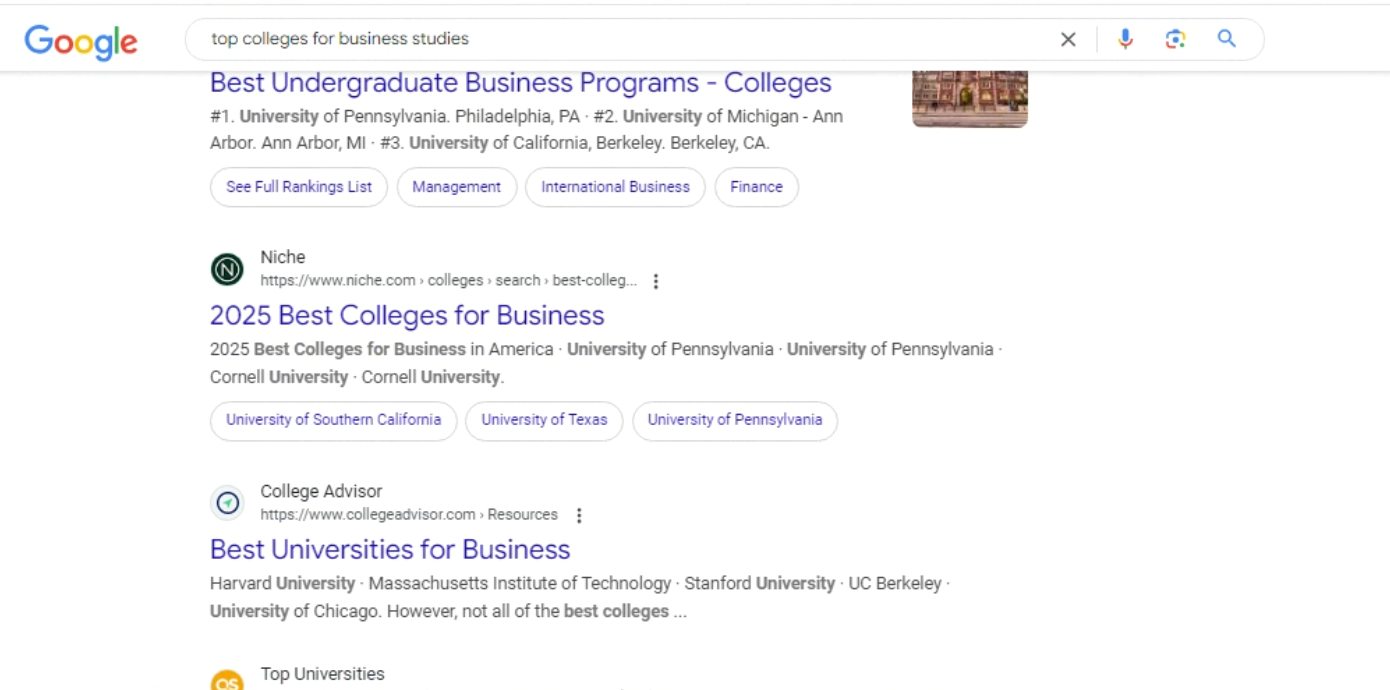
Furthermore, establishing backlinks through guest blogging, partnerships, or features in educational publications can enhance credibility and improve search engine rankings. As students increasingly turn to search engines to explore their educational choices, effective SEO strategies allow institutions to remain competitive and ensure their content is easily found.
Also read: SEO For Educational Institutions: Boost Visibility
These platforms enable universities and colleges to connect with prospective students, alums, and educators in a lively and interactive manner. By hosting webinars on various subjects, such as program offerings, admissions processes, career opportunities, and campus life, institutions can share valuable information that aids in decision-making.
Furthermore, virtual events can feature live Q&A sessions, panel discussions, and interactive workshops, offering a more personalized and engaging experience compared to traditional content like brochures or static websites. This format encourages real-time communication, builds trust, and humanizes the institution, making it more approachable and attractive.
From a marketing standpoint, webinars and virtual events present a fantastic opportunity for higher education institutions to generate leads and enhance brand visibility. These events can be promoted through email campaigns, social media channels, and targeted advertisements, driving traffic to the event, and reaching a broader audience. Additionally, they produce valuable content that can be transformed into blog posts, recorded sessions, or social media snippets, prolonging the content relevance!
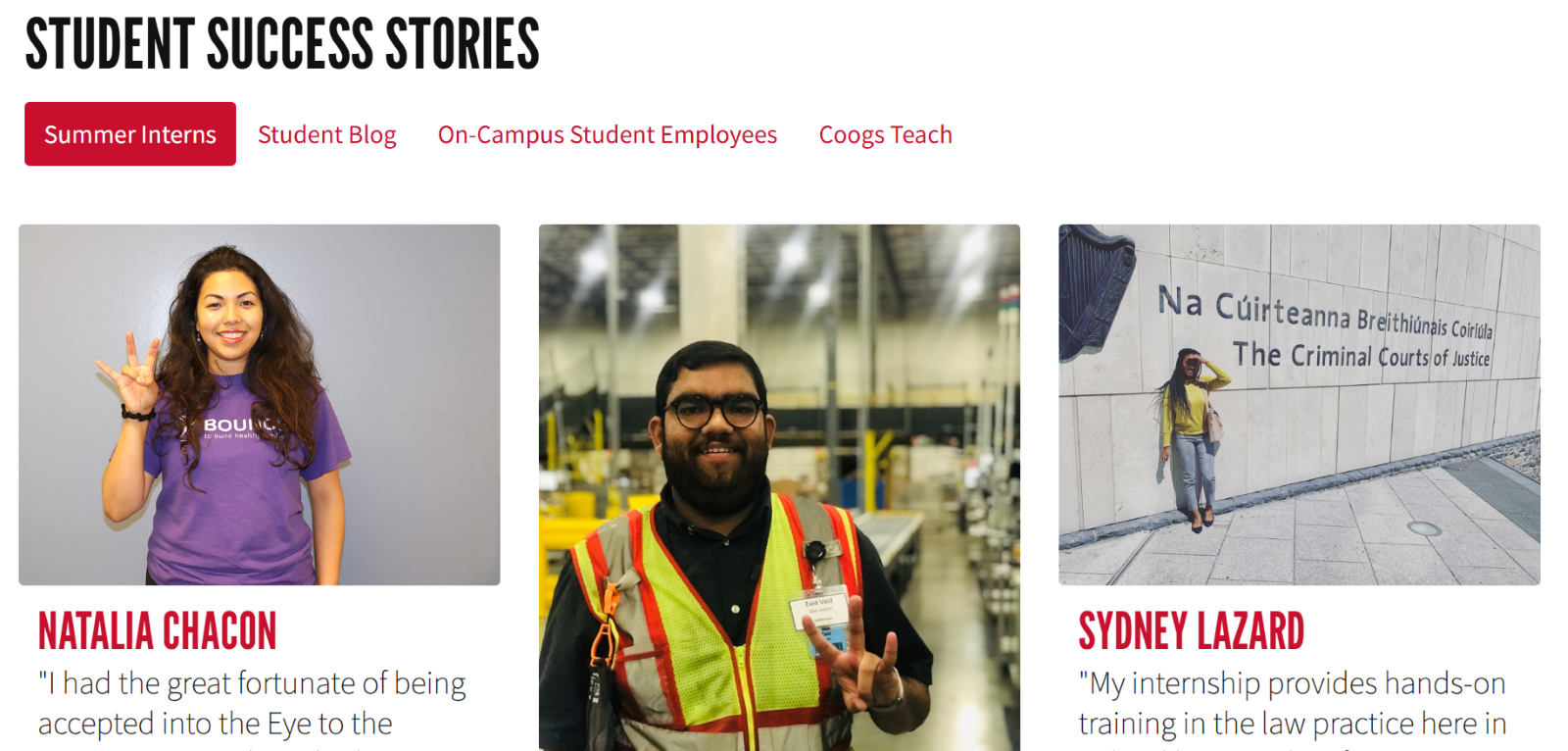
One of the most effective ways to influence prospective students is by showcasing the experiences of current students and alums. Authentic stories of student achievements, whether it’s overcoming obstacles or landing internships, have a greater impact than standard marketing messages.
These testimonials can be shared through written narratives, social media updates, or video interviews. When students can relate to these stories, they are more inclined to envision their own success at your institution, increasing the chances of their enrollment.
For instance, this dedicated section on the University of Houston website –
Also read: The Ultimate Guide To Higher Education Marketing In 2026
Measuring and optimizing content marketing success is crucial for higher education institutions to ensure that their content marketing strategy is effective and achieves its goals.
Here are some key metrics to measure and optimize content marketing success, while also giving you an idea of the Return on Investment (ROI) of your efforts:
Various tools can be useful for engaging prospective students, faculty, and alums while strengthening the institution’s brand.
By combining these and other tools like FloStack’s Student Engagement Solutions, institutions can effectively strategize, execute, and measure their content marketing efforts to enhance engagement and boost admissions.
The process of testing, measuring, and refining strategies is crucial for achieving optimal results. By experimenting with various types of content—such as blog posts, videos, or social media updates—institutions can determine what resonates best with their audience.
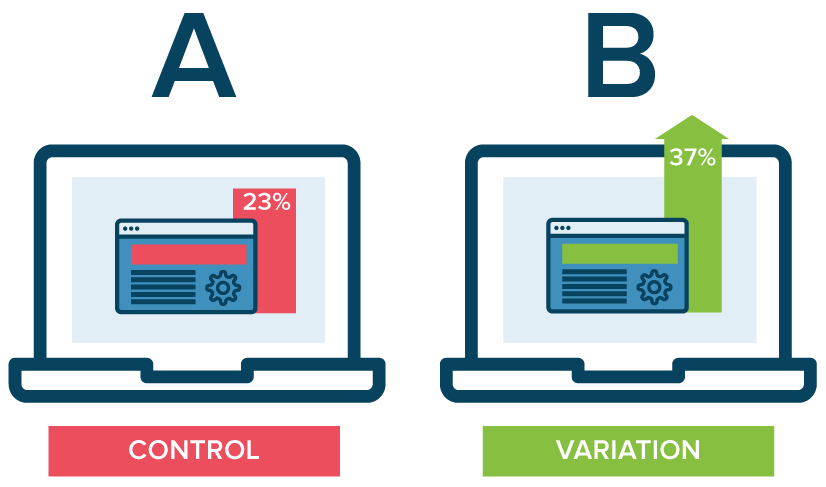
For instance, A/B testing (or split testing) can be employed to compare two versions of a landing page or email campaign to see which one generates more conversions or engagement. This enables colleges and universities to continuously adapt their content and messaging to better meet the needs and preferences of prospective students. Exploring new ideas, formats, and channels ensures that marketing efforts remain fresh and relevant, keeping the audience engaged.
Measuring the outcomes of content marketing in higher education is equally important, as it offers valuable insights into what is effective and what isn’t. Tools like Google Analytics, and CRM platforms, such as LeadSquared assist in tracking key metrics, including website traffic, conversion rates, and engagement levels. By consistently analyzing these data points, higher education marketers can spot trends and identify areas for improvement.
The key is to repeat the cycle—adjusting strategies based on insights and re-testing to ensure ongoing growth. With each iteration, institutions can refine their approach: boosting their overall content marketing effectiveness and ultimately increasing engagement, applications, and enrollment rates.
As prospective students become more selective and research-driven, colleges and universities will need to leverage advanced tools, such as AI and machine learning, to create personalized content that speaks directly to individual interests and needs. This could include tailored email campaigns, personalized website experiences, and content that speaks to specific student demographics or academic goals.
The emergence of AI-driven content creation and personalization is a double-edged sword and should be treated as such. Artificial intelligence can sift through extensive data to identify patterns and preferences, allowing institutions to craft highly targeted content that resonates with specific audience segments.
For example, AI can assist in generating personalized emails, suggesting courses aligned with a student’s interests, or customizing website content based on a user’s browsing habits and behaviors. By automating these tasks, colleges and universities can offer timely, relevant content that caters to the unique needs of each individual, ultimately boosting engagement and conversions. AI-driven content creation tools can also enhance SEO efforts by analyzing search trends and recommending keywords, thereby improving organic reach. As AI technology continues to advance, so does its capacity to create more dynamic and engaging experiences.
However, it’s crucial to remember that even though AI can expedite processes, proper supervision is still necessary. Finding the ideal balance between human experience and AI-generated content is essential. Although AI can help with content marketing, human interaction is what keeps the content interesting, genuine, and consistent with the institution’s ideals.
Interactive content, including quizzes, chatbots, and gamified experiences, is becoming a vital part of content marketing in education, providing innovative ways to engage potential students.
For instance:
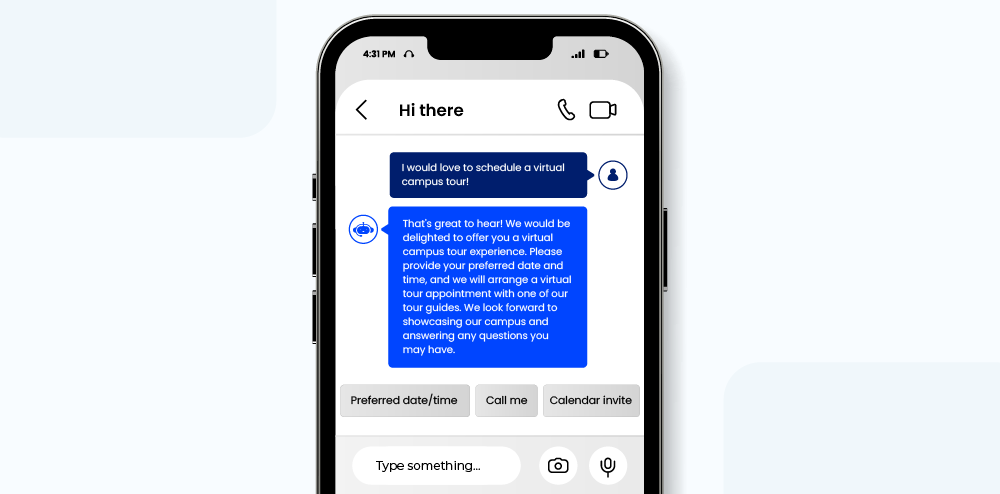
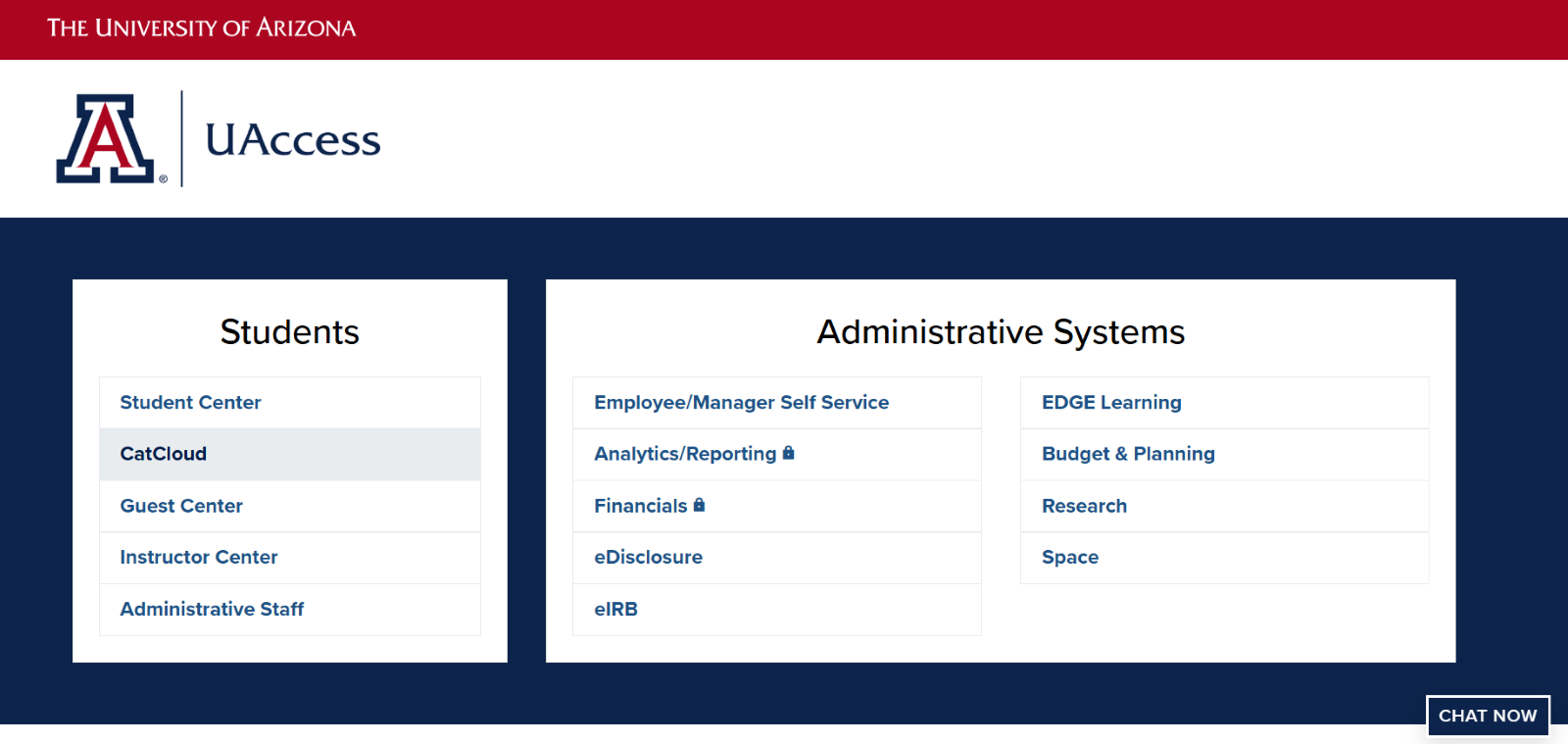
A good example is University of Arizona’s “UAccess” portal. The institution incorporates gamified aspects in its portal to engage students. Students can accrue points through UAccess by doing things like signing up for classes, going to events, and taking part in different campus activities. These points can be kept track of, exchanged for incentives, or applied to improve the overall experience of the students.
These interactive features not only grab attention but also motivate prospective students to engage actively with the content, making their research and decision-making process more enjoyable and customized to their preferences. Ultimately, interactive content provides a more personalized, immersive experience, helping to boost engagement and strengthen the bond between students and educational institutions.
As voice search continues to rise in popularity, particularly with the widespread use of voice-activated devices like smartphones and smart speakers, educational institutions are adapting their content marketing strategies to optimize for voice search. Unlike traditional search queries, voice searches tend to be more conversational and question-based, which means content needs to be tailored to answer specific questions that prospective students might ask.
For example, institutions can optimize their FAQs, blog posts, and landing pages to align with natural language patterns, focusing on long-tail keywords and phrases that are commonly spoken rather than typed. By doing so, colleges and universities can improve their chances of appearing in voice search results and make it easier for potential students to find answers quickly, enhancing the user experience.
According to Pew Research Center’s 2024 survey of US teens, nearly half (46%) report being online almost constantly — a pattern that carries into the college-age demographic.
A sizable portion of educational searches are conducted on tablets and smartphones. As a large portion of prospective students browse websites, apply, and engage with content via smartphones, institutions must ensure that their websites and content are mobile-friendly. This includes responsive design, fast loading speeds, and easy navigation for mobile users. Mobile optimization also extends to social media platforms, email marketing, and online advertisements, all of which must be designed with mobile engagement in mind.
By focusing on voice search and mobile-first strategies, educational institutions can reach a broader audience, increase accessibility, and provide a more seamless and user-friendly experience that aligns with how students are searching for and consuming information today.
The education space is highly competitive. By adopting personalized, relevant, and engaging content approaches, universities can effectively reach out to prospective students, assist them in their decision-making process, and ensure they remain committed after enrollment. By leveraging tools, dynamic content, and targeted communication, universities can build trust, generate excitement, and establish a stronger connection with students.
Content marketing can significantly improve enrollment results, increase yield rates, and decrease melt when implemented effectively. It ultimately contributes to the long-term success of higher education institutions.
The institutions that will win on enrollment in 2026 are those that build consistent, student-centered content programs — and back them with the right technology and measurement discipline.
See how LeadSquared can help you refine your approach and achieve better outcomes for your educational institution.
Start with three metrics that connect content activity to enrollment outcomes: cost per inquiry (total marketing spend ÷ total inquiries), lead-to-application conversion rate, and organic search traffic as a share of total traffic. Set a baseline before launching any content initiative, then track changes at 30, 60, and 90-day intervals. Google Analytics 4 is free and sufficient for traffic and conversion tracking. Layer in your CRM data to connect content touchpoints to actual application or enrollment events.
Automation solves a specific problem: prospective students move through your funnel on their own timeline, not yours. Without automation, a student who downloads a program guide at 11pm on a Sunday receives no follow-up until a human checks their inbox Monday morning. Automated workflows — triggered by actions like form submissions, page visits, or email opens — let you deliver relevant content at the moment of highest intent. The result is typically higher engagement rates and fewer leads going cold between touchpoints.
SEO determines whether prospective students find your content at all. Most higher education searches begin on Google — queries like “best nursing programs in [state],” “online MBA with no GMAT,” or “how to apply for financial aid.” If your institution’s pages don’t appear for those queries, no amount of content quality matters.
That’s still true, but the search landscape now has a second layer. Google’s AI Overviews increasingly answer informational queries directly on the results page, reducing click-through to individual pages. At the same time, a growing share of prospective students — particularly graduate and adult learners — are using AI tools like ChatGPT and Perplexity to research programs and shortlist institutions before visiting a university website. Optimizing for these environments, sometimes called AEO (Answer Engine Optimization), means structuring content so it can be understood, cited, and surfaced by AI systems — not just ranked by traditional algorithms.
Practical SEO for higher education now means doing both: targeting program-specific long-tail keywords, optimizing program and landing pages for on-page signals (title tags, H1s, meta descriptions), building internal links between related content, and earning backlinks from authoritative education sources — while also writing in clear, direct language that answers the specific questions AI systems are likely to surface. Technical health — mobile load speed, Core Web Vitals — is a prerequisite, not an afterthought.
Social media can boost visibility and engagement by sharing interactive content, student stories, live Q&As, and program highlights on platforms like Instagram, TikTok, and LinkedIn. It helps institutions reach prospective students where they spend time and drives traffic back to the website.
 19 min read 16 min read 15 min read