





HIPAA-Compliant AI Software for Fertility Clinics and IVF Centers

Trusted by leading healthcare organizations worldwide





Challenges Fertility Clinics Face Without the Right Platform

What Fertility Clinics Achieve with LeadSquared
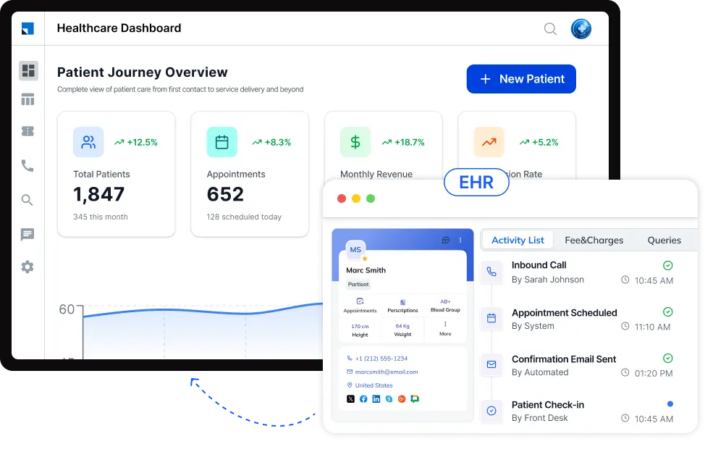
Key Capabilities of LeadSquared for Fertility Clinics
Built for the way fertility and IVF practices operate.
AI-powered patient scheduling
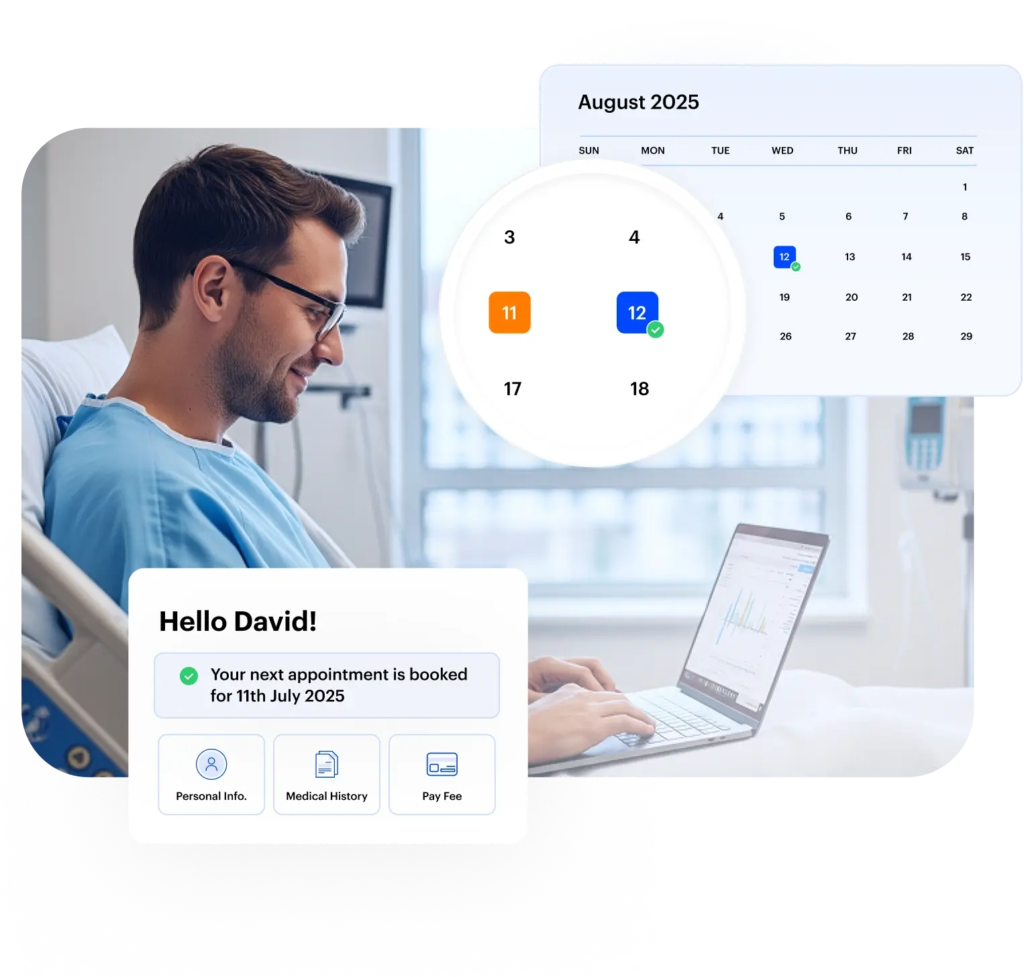
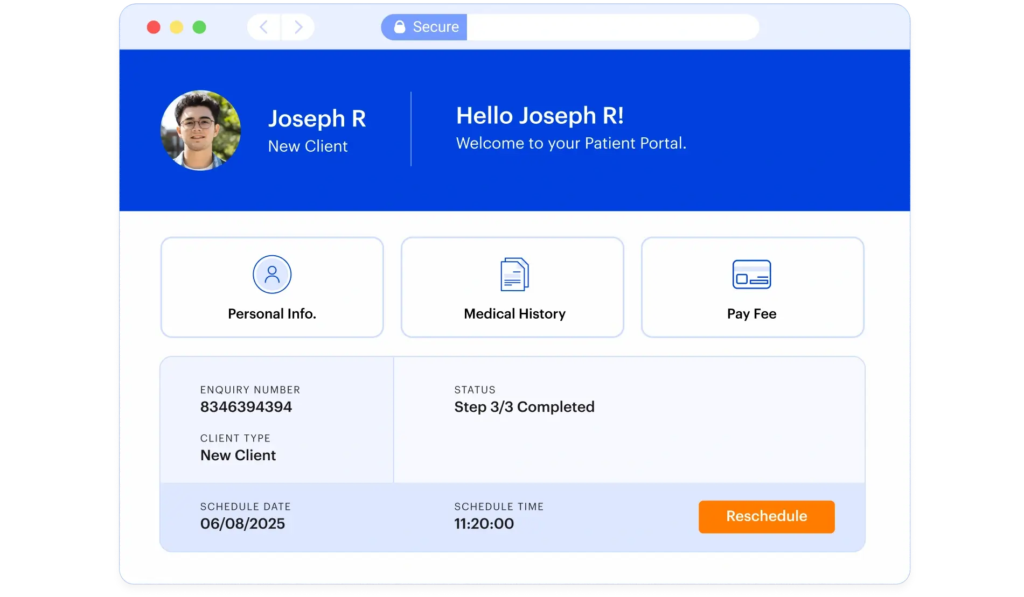
Simplified digital intake
Track every patient journey

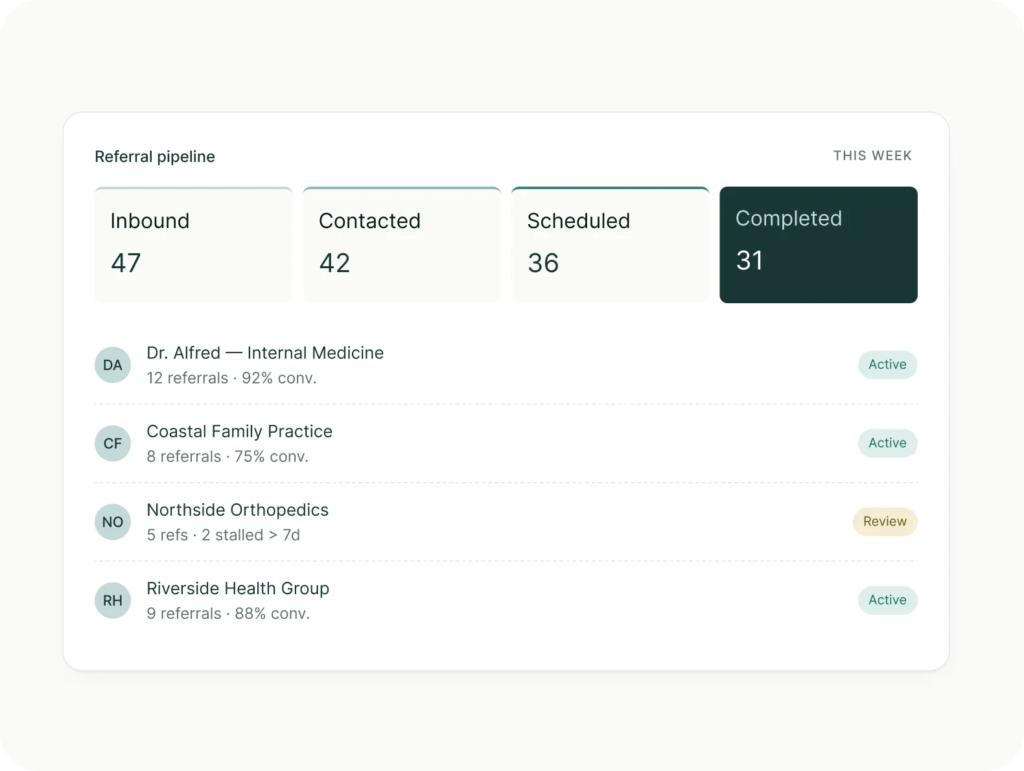
Referral and provider relationship management
Marketing and campaign management for patient acquisition
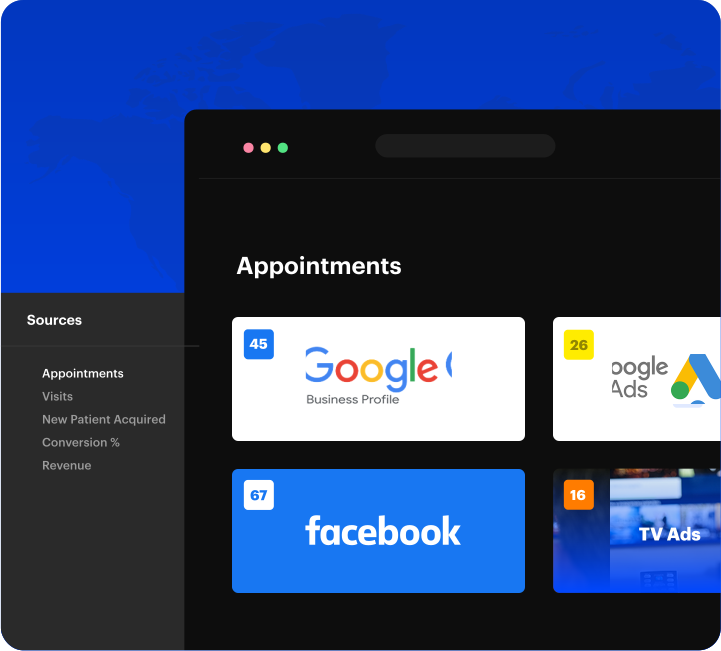
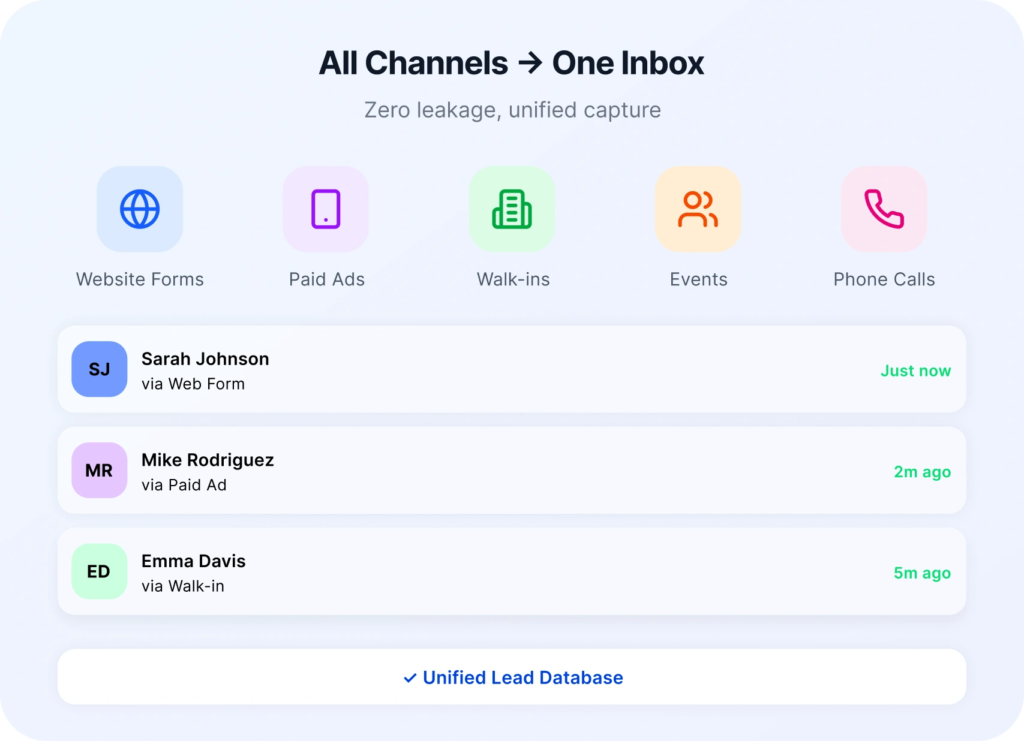
Speed-to-lead automation
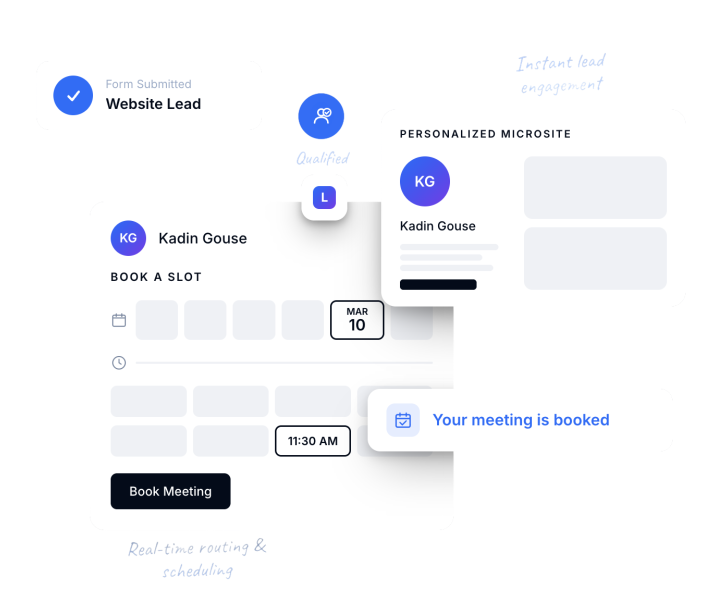
FloStack scheduling across 70+ calendars

Insurance verification, billing integration, and payments
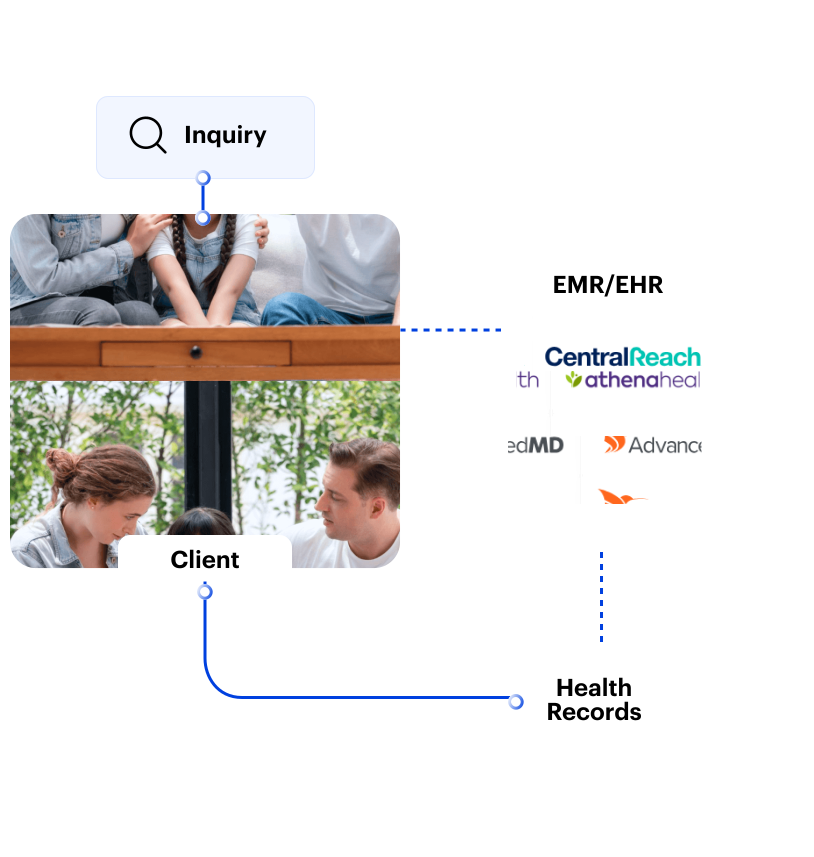
Integrates with the tools your fertility clinic already uses
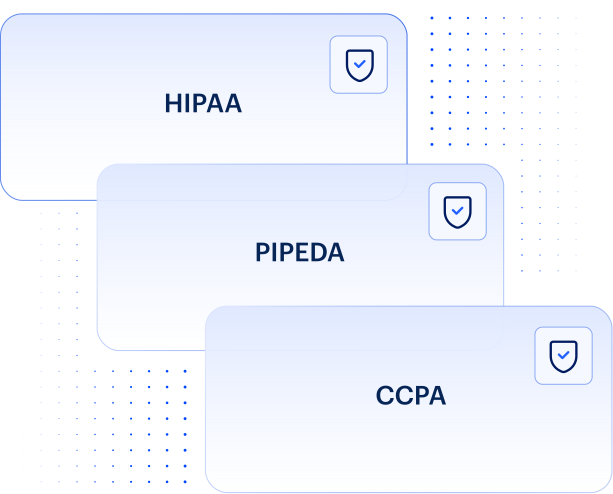
Built for HIPAA compliance and data security
Identify and Repair Bottlenecks in Seconds with
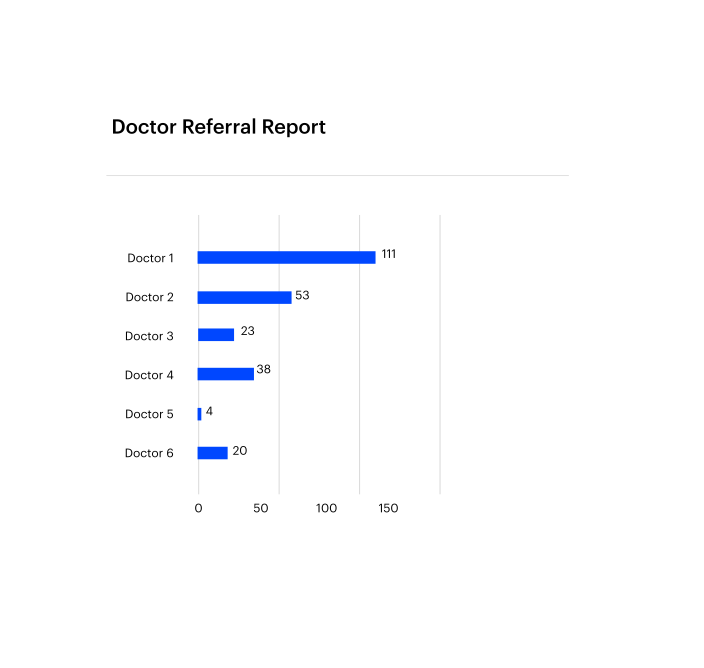
Customizable Reports for your Fertility Clinic
Inquiries by source
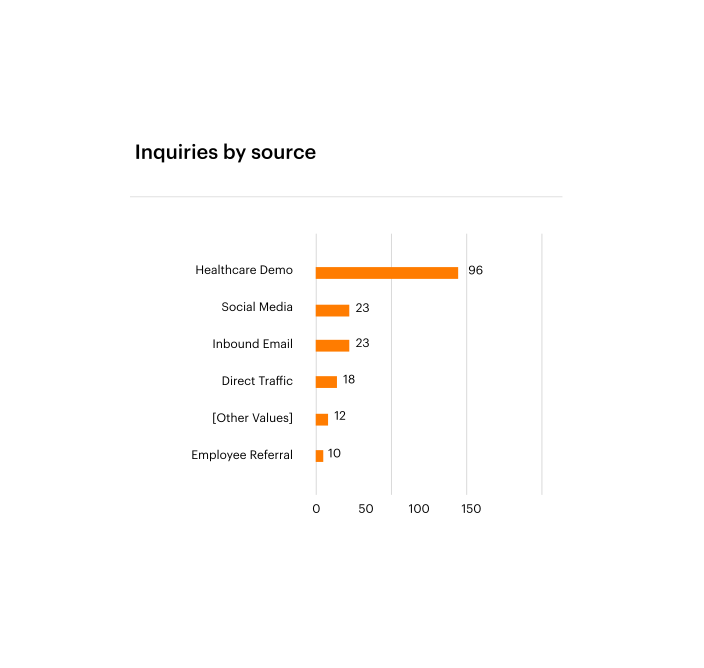
Doctor referral report
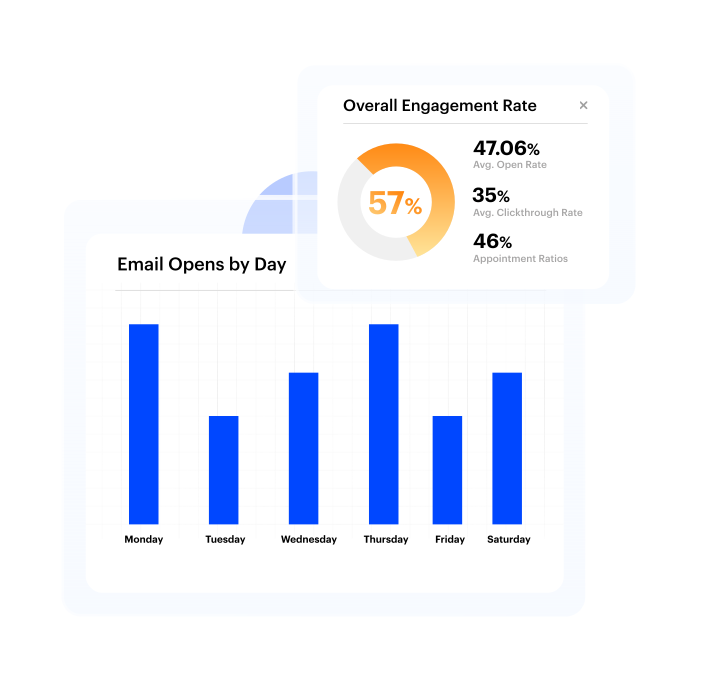
Patient engagement report
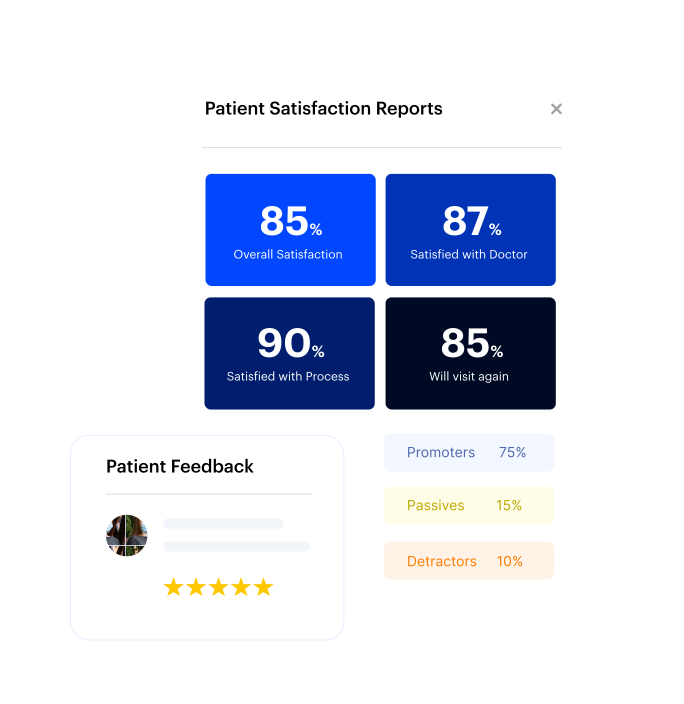
Feedback collection report
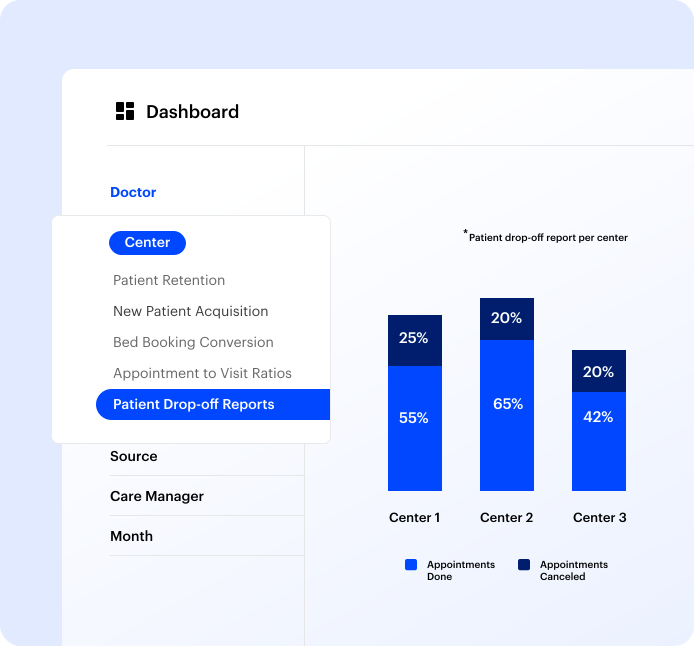
Appointment booking report
Why fertility clinics choose LeadSquared over generic CRMs
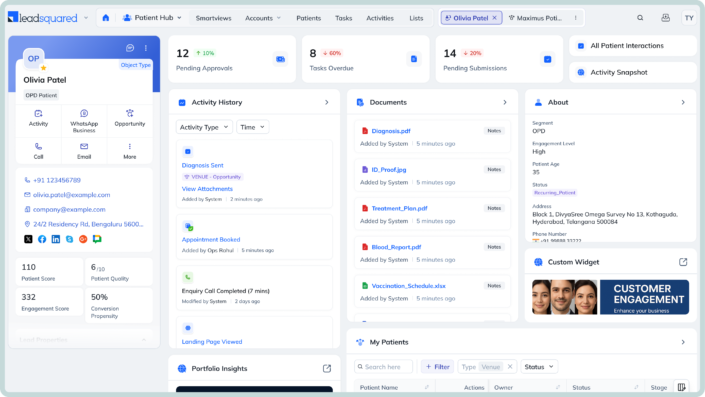
Fits your specialty and your scale

How Posterity Health achieved 7× revenue growth with LeadSquared
Posterity Health achieved 7× revenue growth with the same team size by improving patient engagement processes and creating a more connected healthcare workflow with LeadSquared.

- Increased operational productivity through automation
- Reduced manual administrative effort and follow-up work
- Better visibility into patient engagement and performance metrics

Get Started with LeadSquared for Fertility Clinics

FAQs
What is a fertility clinic CRM, and how is it different from an EHR/EMR?
A fertility care CRM helps your clinic manage the entire patient journey, such as intake, scheduling, communications, and marketing. An EHR or EMR focuses on clinical documentation and care delivery, including charts, orders, labs, and e-prescribing.
Many clinics use both, with the CRM handling engagement and operations while the EHR serves as the main clinical record. Ideally, the two systems integrate so information flows smoothly between them. This integration usually happens through healthcare standards like HL7 or FHIR.
Will a fertility clinic CRM help us stay HIPAA compliant? What should we look for?
Yes, fertility clinic CRM vendors must support HIPAA safeguards and sign a Business Associate Agreement (BAA). Important features to look for include access controls with role-based permissions, audit logs, and encryption in transit. You should also check for integrity controls, multi-factor authentication, and encryption at rest. Ask about breach response processes and how they handle vendor oversight. Since HHS has proposed stronger requirements around MFA and encryption, choosing a CRM that already supports them will make compliance easier in the future.
Can we text or email patients from a fertility care CRM? What compliance rules apply?
Yes, but you need to follow HIPAA and TCPA rules. If the message relates to treatment or operations, such as appointment reminders, it is generally allowed without extra authorization. If it promotes services, then you need explicit HIPAA authorization from the patient. For automated texts or calls, you must also comply with the Telephone Consumer Protection Act and document consent. If you are looking for a CRM that is 100% HIPAA compliant, LeadSquared is the platform for you.
Do reminder texts feature in the fertility care CRM help reduce no-shows?
Yes, automated reminders improve attendance compared to not sending any reminders. Text reminders work especially well because they are read quickly;combining them with calls can reduce no-shows further. For fertility clinics, this helps keep treatment cycles on track and prevents wasted resources. A CRM can also use cancellations to automatically fill slots from a waitlist. Tracking your no-show rates over time will show the real impact of the reminders.
Can a fertility clinic CRM check insurance eligibility and support payments?
Yes, most CRMs like LeadSquared connect to clearinghouses or revenue cycle management systems to run eligibility checks before visits. This allows staff to confirm coverage and benefits faster. For payments, integrations with payment gateways make it easy for patients to pay online or at check-in. The system can also send reminders for outstanding balances through text or email. It provides daily reconciliation reports, as well, so your team can close out the day without extra work.
Which integrations matter most for a fertility clinic?
The most important is the EHR or EMR, since you need patient, appointment, and treatment information to sync in both directions. Eligibility and revenue cycle systems are next, because they confirm insurance and speed up billing. Telehealth and patient communication tools are also valuable for virtual consults and ongoing engagement. A patient portal is helpful for forms, results sharing, and secure messaging. Look for vendors that support standards like FHIR and HL7 and provide APIs so you can add new tools without starting from scratch.
Do we need Business Associate Agreements (BAAs) with CRM vendors and add-ons?
Yes, you must have a BAA with any vendor that creates, receives, maintains, or transmits PHI on your behalf. A BAA sets the rules for how PHI is used and what safeguards the vendor must provide. It also requires breach notification and makes business associates directly liable for some HIPAA violations. The only time you do not need a BAA is when sharing PHI purely for treatment with another covered entity. Keep a full list of all BAAs in place and update them whenever new vendors or integrations are added.
Do patient portals in fertility care CRM help, or do they add work?
Patient portals in fertility clinic CRMs like LeadSquared improve access and satisfaction by giving patients 24/7 access to information. They allow patients to view lab results, send secure messages, and manage appointments on their own. Clinics benefit from fewer phone calls and faster intake because forms and updates can be completed in advance.
Portals can also improve communication and make visits more efficient.
What is IVF Management Software?
IVF (In Vitro Fertilization) Management Software is a specialized digital solution tailored for fertility clinics and reproductive centers. It assists in the comprehensive management of IVF procedures, including patient records, treatment plans, lab results, and scheduling. This software streamlines the complex IVF process, ensuring accuracy, efficiency, and improved patient care throughout the fertility treatment journey.
How quickly do we need to respond to patient record requests, and can a fertility clinic CRM help?
Under HIPAA’s Right of Access rule, clinics must respond within 30 calendar days when a patient asks for their records. That means providing the records in the format requested or issuing a written denial with a clear reason. While a CRM is not a replacement for your EHR, it can support the process by logging requests, tracking deadlines, and sending records securely once approved. Workflows and templates in the CRM help staff stay consistent and reduce delays. Keeping a record of dates, formats, and delivery ensures your clinic stays compliant.
Can we use tracking tools like pixels or cookies with a fertility clinic CRM?
Yes, but with caution. Tracking technologies such as pixels and cookies can create HIPAA compliance issues if they capture protected health information (PHI). For example, using them on your patient portal or intake forms may expose sensitive data. The safest practice is to limit tracking to public, non-authenticated pages—like your clinic’s homepage or blog—and avoid it on areas where patients enter health information. If you need analytics, choose HIPAA-compliant tools or configure them to ensure PHI is never collected. Always review your setup with compliance experts before enabling tracking.
Can we use the CRM to manage and track referral sources?
Absolutely. The CRM should let you capture referrals—whether from OB/GYNs, healthcare partners, or past patients—and associate them with new patient records. You can monitor which referral sources bring in the most consultations and successful treatments. With this data in hand, you can nurture top referrers or adjust your outreach strategy. Plus, having referral details tied to patient records makes follow-up communication easier and more personalized. It turns referral tracking from guesswork into insight.
How does the CRM support team collaboration across departments?
The CRM centralizes information so front desk staff, nurses, clinicians, and billing teams can work with the same patient data. Everyone sees the latest notes, appointments, and tasks without duplicating work. You can assign tasks, leave in-system notes, and escalate follow-ups—all visible to the right team members. This reduces miscommunication and decreases the risk of errors or missed deadlines. It keeps your clinic aligned and responsive at every stage of care.
Does the fertility CRM help with marketing or patient engagement campaigns?
Yes, many fertility CRM tools like LeadSquared include built-in automation for segmented email, text, or WhatsApp campaigns. You can send educational content to IVF prospects, re-engagement messages to leads that paused mid-process, or follow-up check-ins post-treatment. This level of personalization keeps your clinic top-of-mind and builds patient trust over time. Plus, tracking open rates and engagement shows what resonates and what needs refining.
Is LeadSquared fully HIPAA compliant for fertility and IVF practices?
Absolutely. LeadSquared is built with HIPAA compliance as a foundational requirement across every layer of the platform.
This includes data encryption in transit and at rest, granular role-based access controls, comprehensive audit trails for every patient data interaction, and secure PHI handling across multi-location and multi-role fertility operations.
Does LeadSquared integrate with Athena, AdvancedMD, or ModMed?
Yes. LeadSquared has confirmed bidirectional integrations with Athena and AthenaOne, AdvancedMD, ModMed, and additional EHR systems commonly used in fertility and specialty surgical practices.
Two-way sync ensures that patient demographics, appointments, lab orders, authorizations, and billing status flow automatically between LeadSquared and your clinical system.
Can LeadSquared support our multi-location fertility practice?
Yes. Because LeadSquared is specifically designed for multi-location healthcare operations, the platform supports territory-level rules, center-level reporting, and cross-location pipeline visibility
FloStack is a built-in feature that manages scheduling across more than 70 calendars and multi-location operations simultaneously, with instant confirmations and automated follow-up at every stage of the care journey.
How does LeadSquared help reduce no-shows at fertility clinics?
LeadSquared automates appointment reminders across email, SMS, and WhatsApp, triggered at configurable intervals before every consultation, lab test, and cycle milestone.
Re-engagement sequences automatically reach out to families who go quiet after booking, reducing silent cancellations and last-minute gaps.
The Invorto Voice AI Co-Pilot can also conduct outbound reminder calls at scale, with sentiment analysis flagging any caller who expresses hesitation or concern so a human coordinator can follow up with a personal conversation before the appointment is lost.
Can we use LeadSquared for employer-sponsored fertility benefit programs alongside direct-to-consumer patient management?
Yes. LeadSquared supports B2B and B2C pipeline management in a single platform. Fertility clinics managing employer-sponsored benefit programs can track corporate partner relationships, benefit program enrollment, and individual patient journeys side by side.
Marketing, intake, clinical, and employer relations teams all operate within a unified system, without data fragmentation or compliance risk.


