





- Home

- Learn
- Healthcare
- Digital patient engagement: A guide to improving healthcare
HEALTHCARE
Digital patient engagement: A guide to improving healthcare
Contents

 17 min read


Most of what we need today is only a tap away on the devices we use every day.
Digital patient engagement is about bringing the same type of convenience to healthcare. And it simply means using digital tools such as text messages, apps, or portals to help patients become actively involved in their care.
The goal is straightforward: to use digital tools to improve how we connect with patients so that care delivery feels more responsive, organized, and easier for everyone involved.
By the end of this guide, you will understand how today’s digital engagement tools can transform the patient experience and help practices like yours deliver better care.
Patients often run into the same obstacles in healthcare. They may have to wait on hold just to ask a question, or they miss appointments because no reminder was sent. These issues make it harder for people to stay on track with care.
On the other hand, healthcare practices face their share of challenges. Patient no-shows disrupt the schedule, or follow-up is rendered inconsistent because teams are stretched thin. All of this takes time and energy away from direct patient care.
Digital engagement helps solve these problems in practical ways.
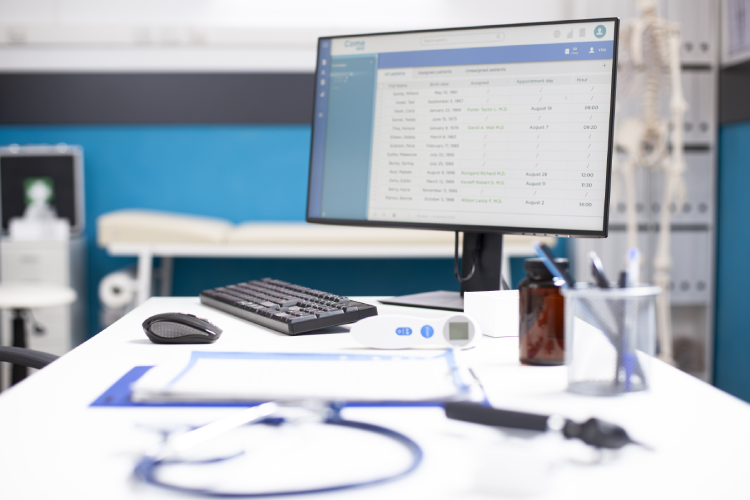
A patient portal is usually the first digital touchpoint people use. It lets patients see test results, visit notes, medications, and send secure messages to their care team. Portals empower patients by putting their information in their hands, any time, without needing to call the clinic.
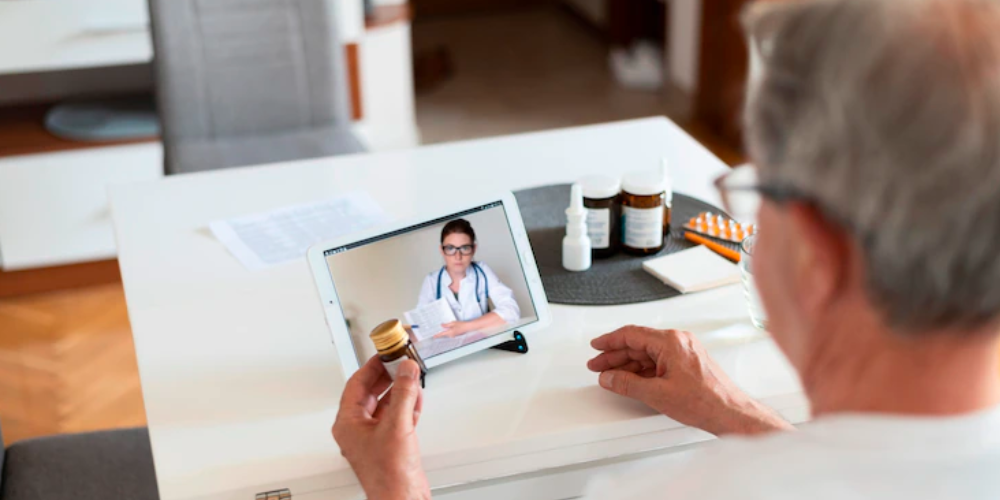
Telehealth makes it possible to see a clinician without going to the office. It’s especially useful for follow-ups, chronic conditions, mental health, and patients with transportation challenges. It increases access and can reduce unnecessary in-person visits.
RPM uses connected devices (such as blood pressure cuffs or glucose monitors) to send health readings from home directly to a care team. This helps clinicians spot problems early and lets patients stay involved in their day-to-day health between appointments.
Apps and text messages are powerful because they meet patients where they already are: on their phones. This includes reminders for appointments and medications, check-in prompts, educational content, and simple “nudges” that keep patients on track.
A healthcare CRM, such as LeadSquared, act like the “control center” for patient communication. It gathers information from patient portals, telehealth systems, EHRs, RPM devices, and scheduling tools, then uses it to coordinate personalized patient outreach.
For example, if a patient ignores portal messages, the CRM can trigger a text message instead. If someone is overdue for a screening, the CRM can send reminders with an easy scheduling link.
All these tools work best when they connect to each other and the electronic health record (EHR). Integration allows information to flow smoothly and helps organizations measure what’s working, personalize communication, and scale engagement safely.
When we talk about “design” in digital patient engagement, we’re talking about how digital health tools are built so patients can use them with the least effort, without being confused.
These design principles apply to every digital touchpoint a patient uses, including:
In other words, anywhere a patient clicks, taps, reads or responds, good design plays a big role in them wanting to use the service offered. So, here’s what to consider when designing digital touchpoints for patients.
Patients should be able to complete tasks such as scheduling a visit or checking results in as few steps as possible. This means no confusing menus, long forms, or unnecessary logins. Simple design can increase form completion rates, especially for older adults or people with limited tech confidence.
Good design should account for people with visual, hearing, cognitive, or physical limitations. This includes readable text sizes, clear color contrast, screen-reader compatibility, and buttons large enough to tap on a mobile screen.
Many patients aren’t native English speakers. Offering tools and instructions in multiple languages improves understanding and reduces errors. Even basic things like bilingual reminders can dramatically raise engagement.
Most health information is too complex. Digital tools should use plain language, short sentences, and clear instructions. For example:
Instead of “non-adherence may result in adverse outcomes,” say “if you skip doses, your symptoms may worsen.”
Design must consider people with low digital skills, limited internet access, or older devices. That means mobile-friendly pages, offline-friendly content, and simple features accessible on basic smartphones.
In healthcare, personalization means giving patients information or reminders that are relevant to their specific situation, rather than sending everyone the same message. Not all patients need the same follow-up or the same level of support; so tailoring communication makes engagement much stronger.
For example:
Personalization helps because it respects people’s time and makes digital communication feel more human.
Segmentation means grouping patients based on shared needs — for example, pregnancy, cardiac rehab, hypertension, or preventive screenings. It ensures communication is relevant rather than random.
Behavioral triggers take this a step further. They send messages automatically based on what a patient does or doesn’t do. For example:
Patients have different communication preferences. Some prefer texts, some check email, and some only respond to phone calls. A multi-channel cadence means using more than one communication channel in a planned order, so the patient receives information in the way that’s easiest for them.
A common example:
This approach increases the chance that important instructions, reminders, or updates actually reach the patient. It also avoids the problem of relying on just one channel that the patient may ignore.
Education doesn’t need to be lengthy or complicated. Micro-learning breaks health information into small, easy-to-understand pieces delivered at the right time. This can be a short article, a 30–60 second video, or a simple tip related to a patient’s condition.
For example:
This format works well because people are more likely to engage with short, clear content than with long brochures.
Gamification uses elements from games — like points, badges, progress trackers, or small rewards — to encourage patients to take healthy actions. Incentives don’t need to be monetary; even recognition or progress feedback can motivate behavior.
For example:
Gamification helps patients stay engaged over time and turns routine health tasks into achievable, motivating goals.
Proactive outreach means contacting patients before they think to act, ensuring preventive care is not forgotten. This includes reminders for vaccinations, screenings, check-ups, or follow-ups for chronic conditions.
For example:
This tactic is highly effective because many people intend to get care but forget or delay it. Timing and clarity are crucial — messages should be actionable and easy to respond to.
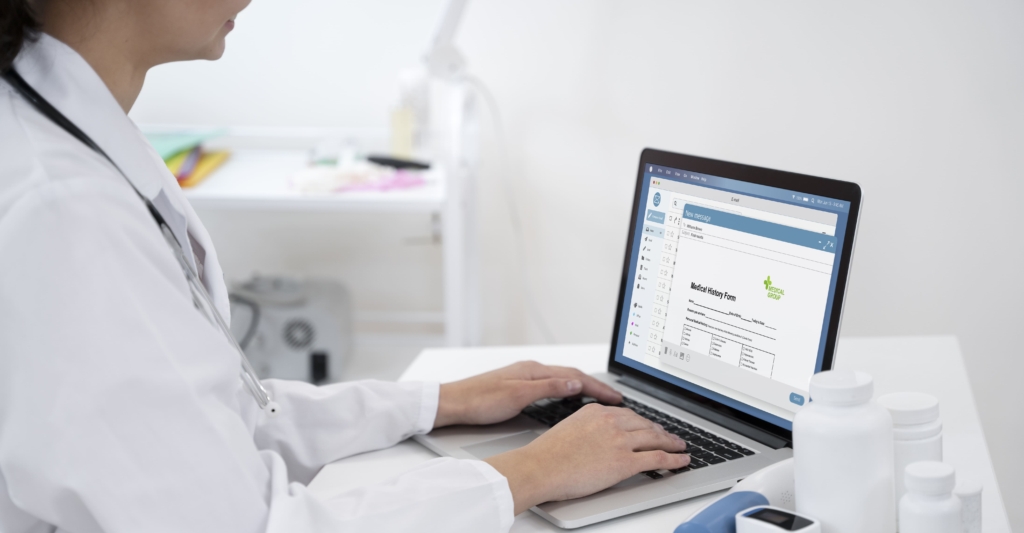
A healthcare CRM (customer relationship management system) isn’t just a “sales tool.” In a medical context, it is a powerful platform that helps healthcare providers organize and deepen their relationships with patients. Here’s why it is becoming a core part of digital patient engagement strategies.
A CRM helps you pull together all the information about a patient, including clinical history, appointment records, communications (calls, texts, emails), and preferences, into one unified system.
This “360-degree view” means clinicians and care teams can see everything in one place. They do not need to switch between EHRs (electronic health records), scheduling tools, and messaging platforms to understand a patient’s journey.
Because of this, outreach can be genuinely personalized, tailored to the patient’s condition, history, and preferences.
CRMs let providers automate many routine patient communications, including appointment reminders, follow-up messages, health education content, and post-treatment instructions.
Instead of staff manually calling or emailing each patient, the CRM can send timely, relevant messages via text, email, or other channels.
By analyzing patient data, CRMs can identify who might be due for a check-up, a screening, or a vaccination.
For example, the CRM might flag patients who have not scheduled their annual health check or who are overdue for preventive blood work.
Then it can send personalized reminders, such as “Hi [Name], it is time for your annual cholesterol test. Click here to book.”
CRMs help different parts of a healthcare organization work together more smoothly. Because the CRM consolidates patient data, everyone, including nurses, doctors, and administrative staff, can see the same information and communication history.
That means when a patient calls or messages, staff can respond with full context. It also prevents miscommunication and reduces duplicate records born from manually handling patient data.
Also, by automating workflows, such as task assignment or follow-up scheduling, CRMs free up staff for more productive work.
Modern CRMs provide dashboards and reports that highlight trends in patient behavior, such as who is engaging, who is missing appointments, and who responds to which type of message.
This helps care teams make smarter decisions. For example, if a certain age group prefers text messages over email, they can adjust communication accordingly.
CRMs make it easier to collect patient feedback. After visits or treatments, the system can send surveys automatically through email or text.
This feedback gives healthcare organizations a pulse on patient satisfaction, letting them identify pain points and continuously improve.
When patients see that their input leads to real change, trust grows, and that, in turn, strengthens engagement and loyalty.
Because health data is sensitive, healthcare CRMs are built with security and regulation in mind. They often support encrypted messaging, secure portals, and strict access controls.
This means patients can safely communicate with their care team without worrying about their data being exposed. Providers can also maintain compliance with healthcare regulations.
Kaiser Permanente Northern California has been a national leader in using digital engagement to improve preventive screening.
A study published in the JAMA Network Open examined how Kaiser combined digital reminders, online scheduling, and patient-portal notifications to encourage members to complete colorectal cancer (CRC) screening. Patients received messages through the portal, secure email, and follow-up reminders that linked directly to scheduling or at-home FIT kit instructions.
The results were impressive. Digital engagement significantly increased screening completion, especially among adults who had been overdue. Because patients could schedule instantly or request a kit online, follow-through was faster and required less staff involvement.
This case shows how simple digital patient engagement can meaningfully raise preventive care participation, reduce delays in diagnosis, and lighten administrative workloads.
We’ve seen why digital patient engagement matters today. When patients are actively connected with their care, be it through timely updates, reminders, or personalized communication, they are more likely to follow care plans and achieve better health outcomes.
Effective digital engagement, however, needs a structured approach and the right tools to keep communication consistent and meaningful.
A HIPAA-compliant healthcare CRM like LeadSquared is one such tool that aids patient engagement by helping practices track patient interactions, personalize messages, and manage digital touchpoints like patient portals in one system.
If you wish to see how LeadSquared can help your practice strengthen its digital patient engagement efforts, feel free to book a quick demo today.
One big challenge is digital accessibility. Not all patients have fast internet or are comfortable with technology. Usability also matters. If portals or apps are confusing, patients may not use them. Data privacy is another concern. For engagement to work, patients need to trust that their information is safe.
It is important to choose tools that use encryption, secure logins, and clear data handling policies. A strong digital patient engagement strategy always prioritizes patient privacy and protects sensitive information.
Yes, it can if not planned carefully. Some patients may lack internet access or have trouble using devices. To prevent this, practices should offer multiple engagement methods, such as mobile-friendly portals, and keep the experience simple
It helps to create easy-to-understand content that meets patient needs. Integrating engagement into care processes, like appointment reminders and follow-up messages, makes the tools feel more useful. A CRM like LeadSquared can also help personalize outreach, so patients feel the messages are relevant.
Digital engagement supports ongoing care by enabling remote monitoring through devices and continuous communication. This allows clinicians to catch issues early, adjust treatments, and keep patients involved in long-term care.
Yes, too many automated messages can feel impersonal or annoying. It is important to design communication carefully. A CRM such as LeadSquared allows you to segment patients and control how often messages are sent, which helps reduce overload.
Patient portals give patients a place to view records, communicate with providers, and access educational content. Adoption depends on ease of use and trust, as many patients avoid portals due to login problems or security concerns.
Metrics include portal login rates, message open and click rates, appointment attendance, and readmission rates. Analytics from a digital platform or CRM like LeadSquared can help track which engagement activities are most effective.
Educational content such as videos and infographics, timely reminders, and personalized messages based on a patient’s history or condition work well. Content that addresses patients’ real concerns usually drives higher engagement.
To enhance patient engagement through digital mediums, hospitals need to keep track of each patient’s history, treatment, and communication preferences. A healthcare CRM or a similar digital tool can help them store all this information in one place under each patient’s profile. This allows them to quickly see past visits, upcoming appointments, and how the patient prefers to be contacted.
With this information, they can reach patients through their preferred channels, such as WhatsApp, SMS, email, mobile apps, or patient portals. For example, patients due for routine check-ups can get automated reminders, and those recovering from procedures can receive clear care instructions. The CRM can help them schedule these messages ahead of time and automate routine reminders, making the process efficient and reducing the risk of missing anyone.
Segmenting patients further improves engagement. They can group patients by condition, age, or treatment type, so messages are targeted and relevant. For instance, a diabetic patient can get reminders for blood tests, while a maternity patient receives updates about follow-up visits or vaccination schedules.
The system can also help them track responses, showing which patients opened messages, replied, or may need a personal call. This ensures timely follow-ups and keeps patients supported between visits.
By combining organized patient data and targeted digital communication, hospitals can keep patients more informed and involved in their care.
There are several types of tools that hospitals and clinics can use to help patients stay informed, involved, and connected throughout their care. Each tool serves a different purpose, but together they can create a smoother experience for patients and reduce manual work for staff.
One of the most common tools is a patient portal. This is usually a secure website or app where patients can log in to view reports, download prescriptions, check upcoming appointments, and make payments. It gives them a single place to manage much of their care without having to call the clinic.
Hospitals can also use communication platforms that support channels like WhatsApp, SMS, email, and mobile push notifications. These tools help send reminders, preparation instructions, follow-up guidance, or updates about reports being ready. A healthcare CRM can help keep all these communications organized by storing each patient’s preferences and history, along with automating routine messaging.
Mobile apps specifically designed for healthcare are another option. Some offer symptom tracking, medication reminders, or the ability to chat with support staff for basic queries. These apps can help patients feel more connected between visits.
Telehealth systems support video consultations and virtual follow-ups. Patients can speak with doctors from home, which is especially useful for those with mobility challenges or busy schedules.
Feedback tools and surveys also play a role. They allow patients to share their experiences after visits so hospitals can see what is working well and what needs improvement.
Together, these tools help clinics maintain consistent communication, provide clearer guidance, and reduce unnecessary delays, all while making it easier for patients to stay engaged in their care.
 15 min read 18 min read 17 min read


 What is PHI? Best practices for securing patient health information