


AI-Powered Patient Engagement Software for Healthcare Organizations
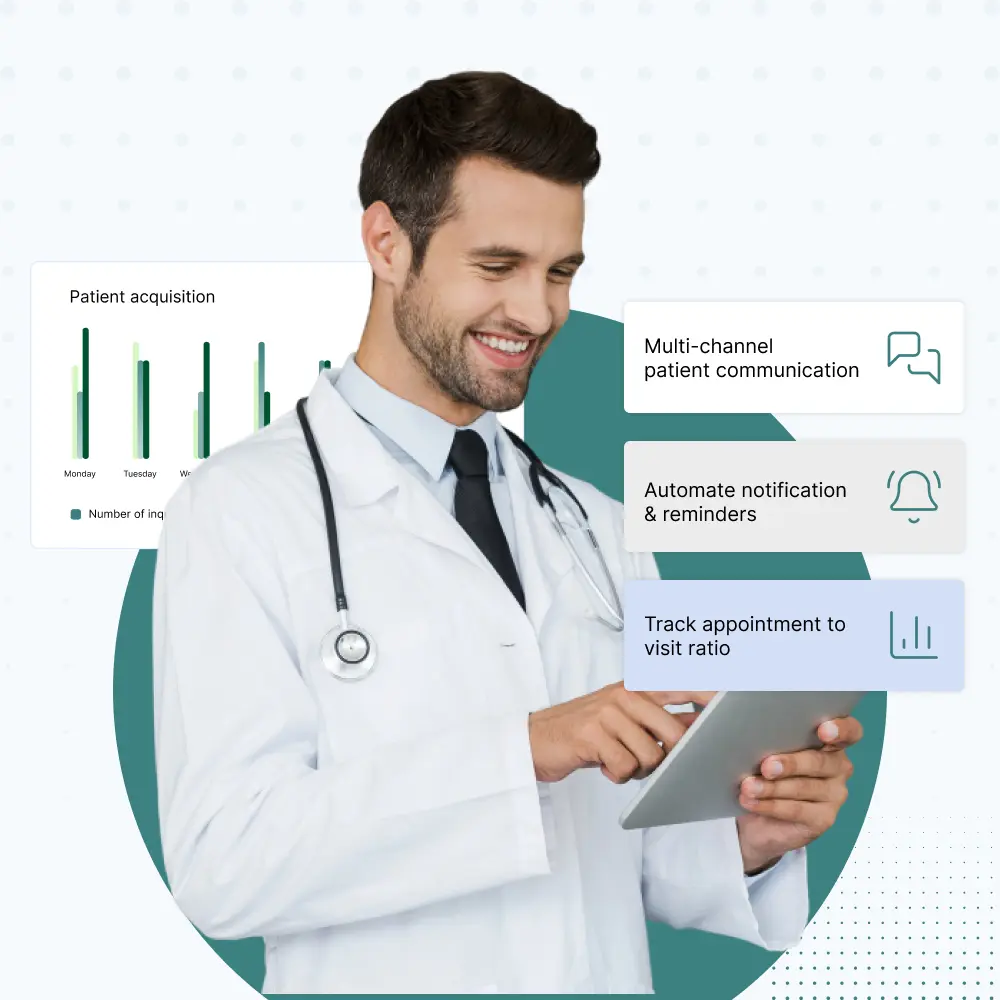
Patient engagement is the process of establishing and maintaining proactive partnerships between patients and providers, to improve health outcomes and patient satisfaction. Patient engagement software refers to a group of healthcare technology systems that facilitate this process by enabling omnichannel communication between providers and patients, automating administrative workflows, and supporting proactive collaboration between patient and provider. These systems provide capabilities such as appointment scheduling, reminders, intake, payments, follow-ups and feedback mechanism capabilities into a single, unified platform.
In the era of hyper-personalized digital communication, healthcare organizations use patient engagement software to reach patients through the channels they already prefer, such as text, email, phone calls, patient portals, and messaging apps. This software replaces manual outreach with automated, rule-based communication. Popular use cases include pre-visit reminders, post-visit feedback form, and intake form collection.
Practices that deploy patient engagement solutions typically see a reduction in no show rates, faster patient intake, and improved patient satisfaction scores. Consistent patient engagement also supports better adherence to care plans and follow-up protocols, especially important for organizations operating under value-based care models.

Patient engagement software typically provides the following capabilities

Patients can book, reschedule, or cancel appointments without having to call or message the front desk.

Providers can send appointment reminders via SMS, email, and voice to reduce no-shows and last-minute cancellations.

Patient engagement software can capture demographics, medical history, insurance details and consent via digital intake forms, before the patient arrives at the front desk.

Real-time insurance eligibility checks and digital payments can be collected at or before the point of service.

Providers can coordinate with patients via their preferred channel – across email, SMS, phone, WhatsApp, and patient portals.

Automated post-visit satisfaction surveys, NPS tracking, and online review prompts can be sent via patient engagement solutions.

Campaign performance, engagement trends and patients’ satisfaction metrics can be viewed on a single, unified dashboard.

Bi-directional data sync across patient engagement software and existing clinical systems ensures records are updated across platforms without manual efforts.
Interest in patient engagement software is growing rapidly as more healthcare organizations shift towards value-based
care models to meet rising patient expectations.
Some factors behind this surge in interest are:
Modern healthcare institutions are adopting enterprise-grade, end-to-end encrypted engagement platforms that can use AI and machine learning to analyze previous patient behavior, while keeping PII secure at every step. By doing so, institutions are able to optimize message content and timing to deliver a truly hyper-personalized experience and automate manual, repetitive tasks – therefore allowing clinicians to focus on the patient, not the system.
According to a 2020 survey by Cedar (conducted by Forrester Consulting), 53% of patients said they would consider switching providers for a more convenient digital experience, including touchless paperwork and virtual care.
The current market includes four main categories of patient engagement technologies, each serving different organizational needs and integration requirements:
LeadSquared provides patient engagement software that covers the entire engagement cycle, from
first contact to long-term retention. Each feature connects back to a single patient record, so your
team always has full context across systems.
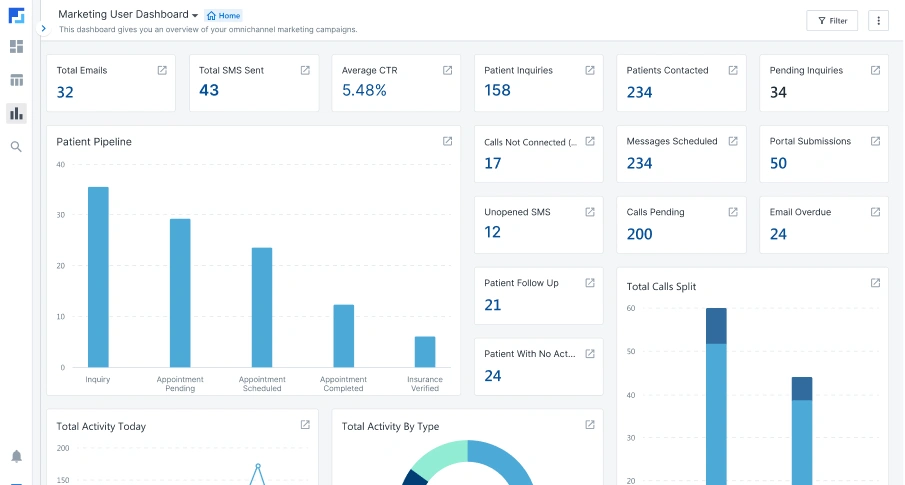
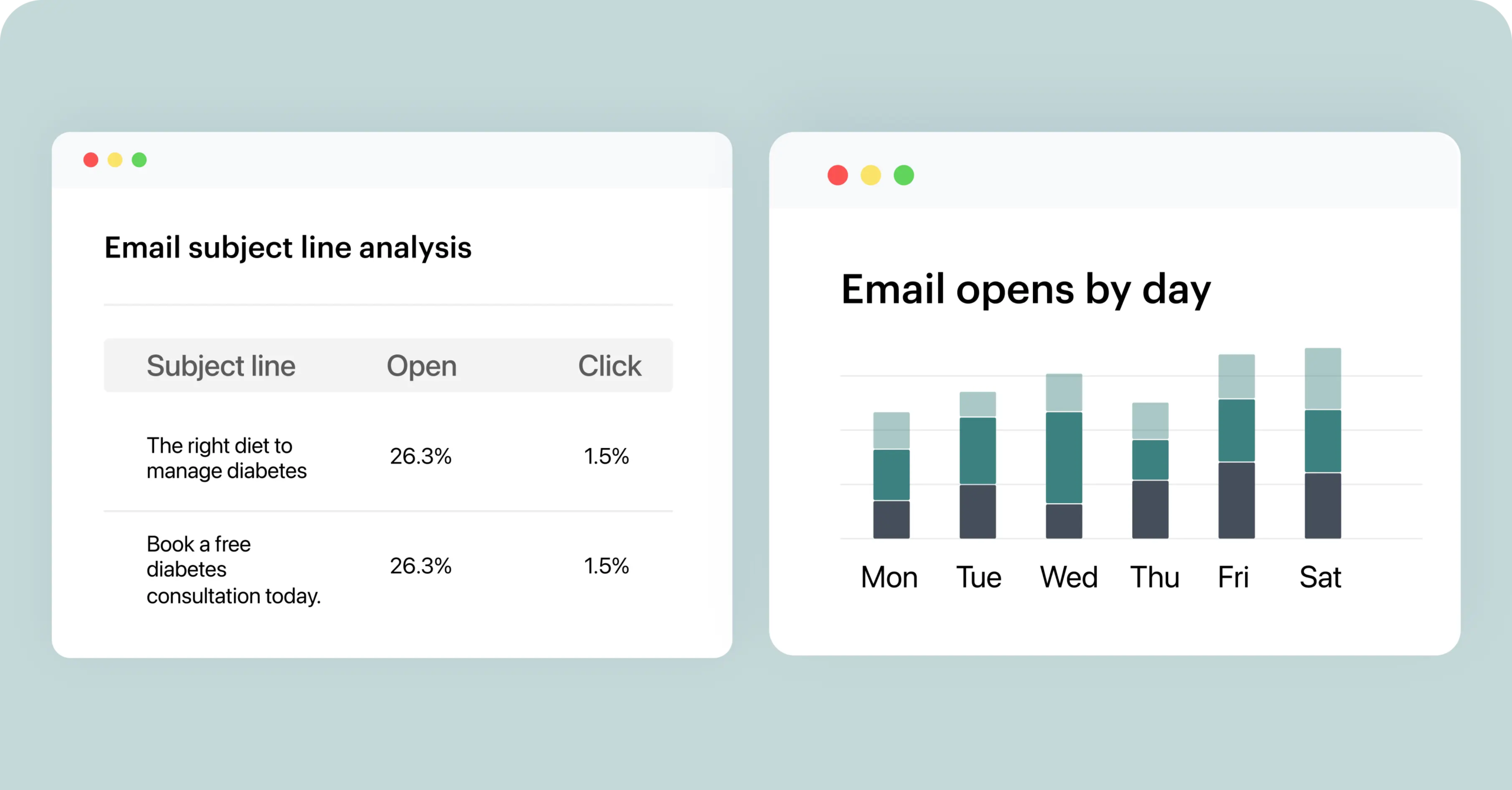
LeadSquared helps you run targeted campaigns across email, SMS, WhatsApp, and patient portals from a single dashboard, using pre-built templates for specific patient segments. You can also schedule campaigns in advance or trigger an activity based on pre-defined patient actions. Track delivery rates, open rates, click-through rates and responses for every campaign, across every channel. Your entire communication trail stays logged against the specific patient record, so every team member can see the full history.
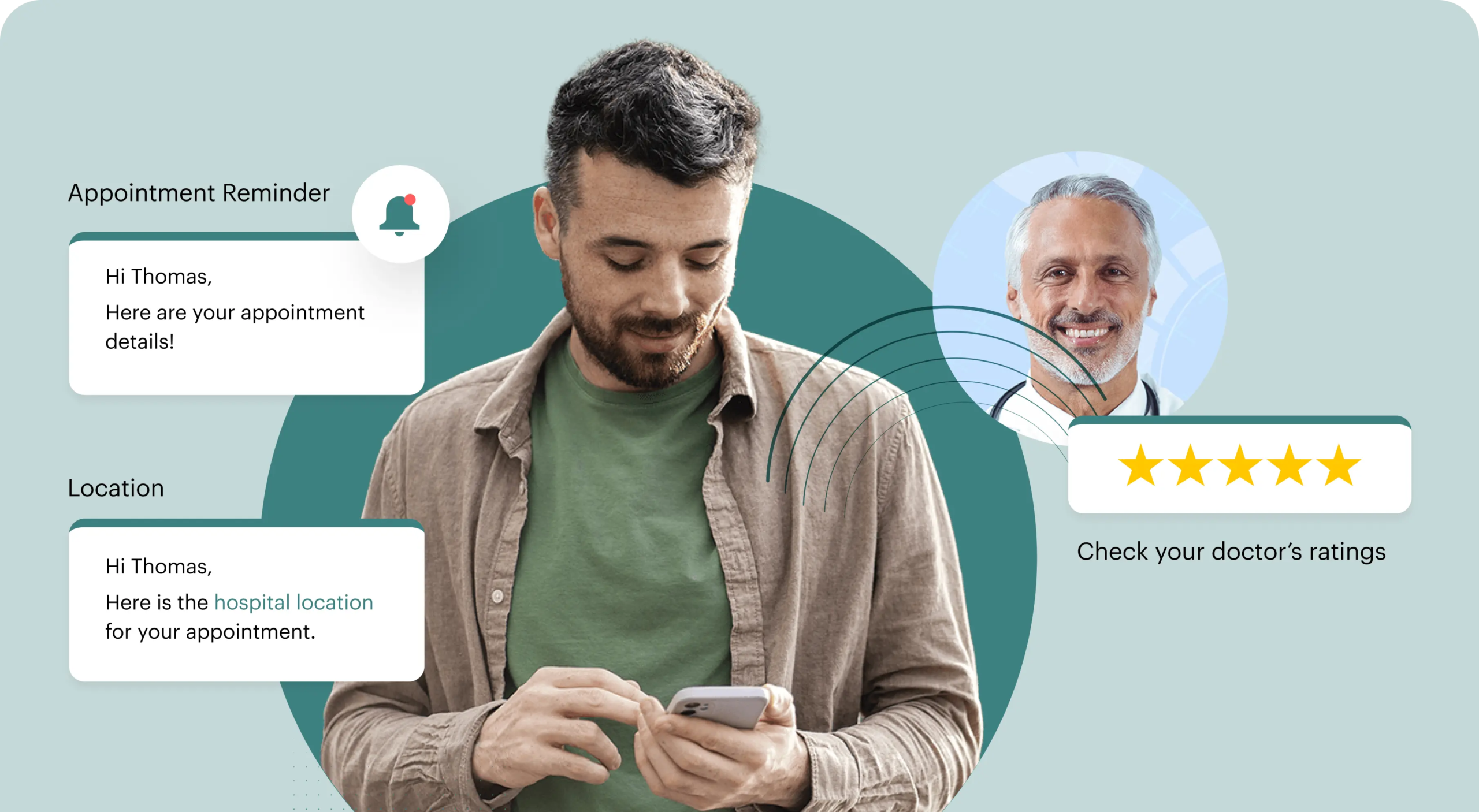
Research states that no-shows cost U.S. healthcare organizations an estimated $150 billion every year. Automated reminders are the most efficient way to reduce that number.
With LeadSquared, you can send reminders via the patients’ preferred channel. The patient can confirm, reschedule, or cancel directly from the reminder, which is updated onto your clinicians’ calendar in real time. For waitlist-based practices, cancellations automatically trigger waitlist notifications.
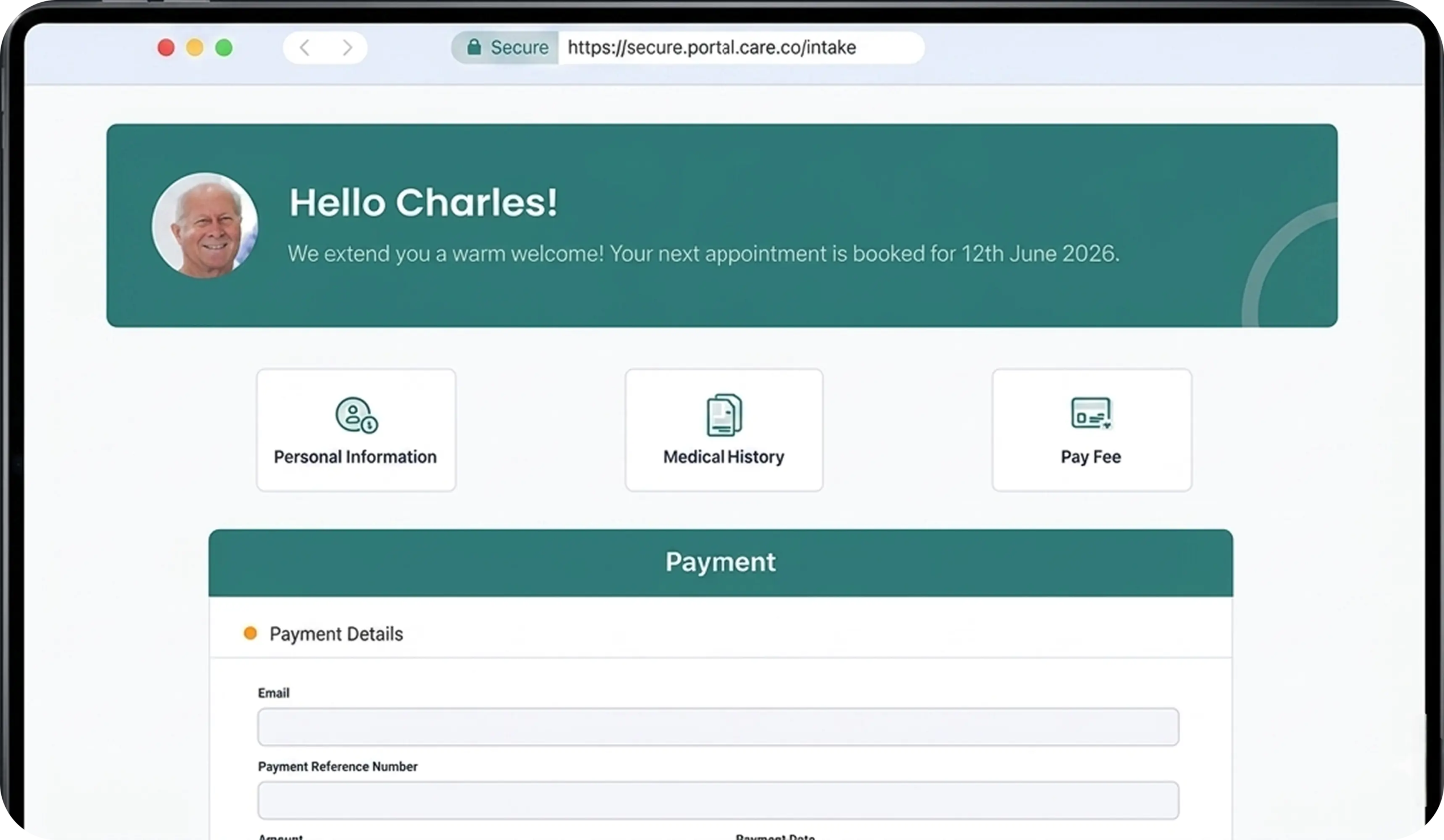
Patients can complete intake forms on their own device before they arrive at the front desk. This ensures all information – demographics, medical history, insurance details, ad consent – are collected digitally and directly synced to the patient record. This reduces the chance of manual errors and queues at the front desk.
LeadSquared connects with insurance verification tools to verify patient insurance eligibility, confirm coverage, flag potential issues, and surface co-pay amounts in advance. This helps patients become aware of their financial responsibility.
Patients can pay through self-serve portals and receive digital invoices on their registered mobile number or email. The payment status syncs back to patient records and outstanding balances trigger automatic follow-up sequences until resolved.
This means fewer billing surprises for patients, faster collections for your revenue team,and less time spent on the phone chasing payments.
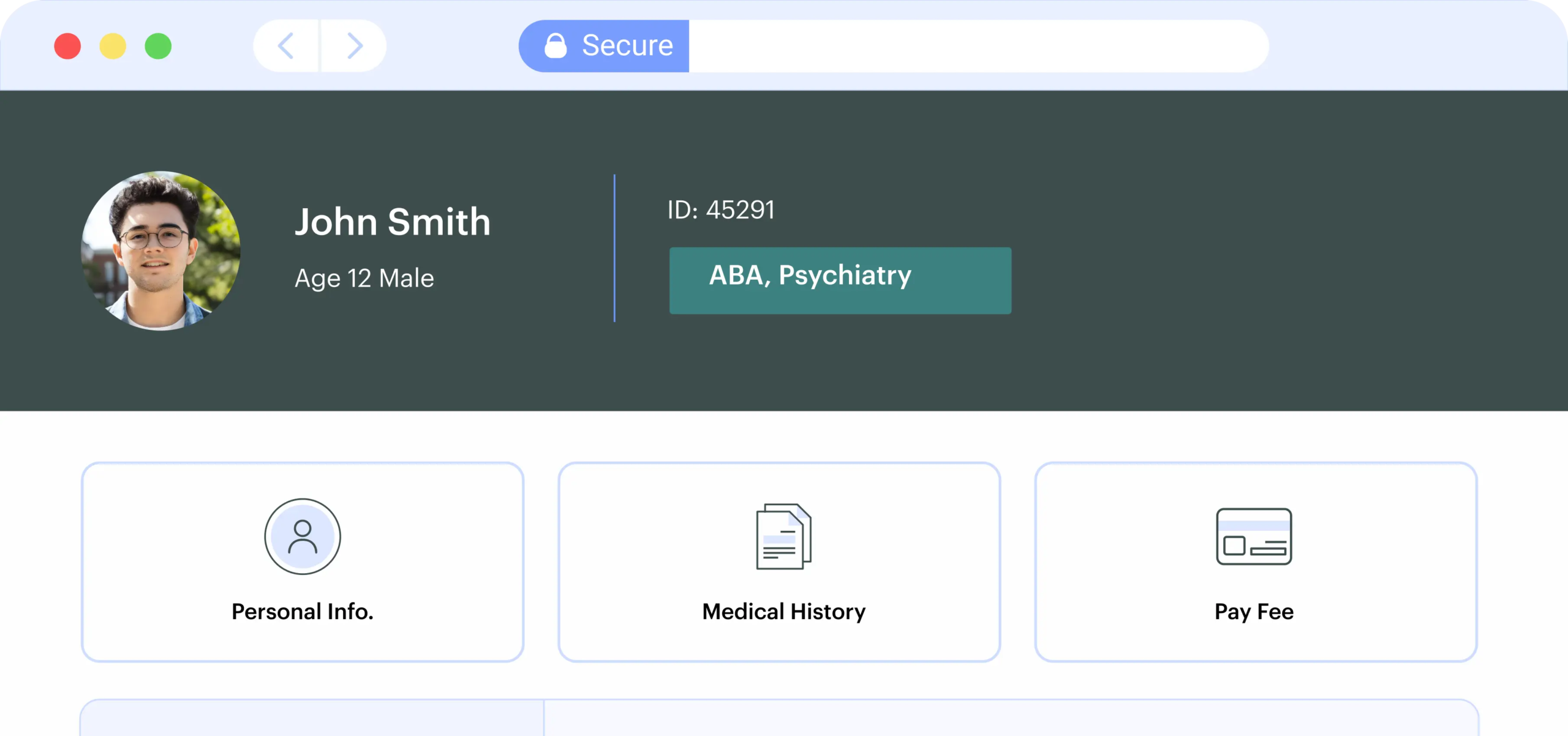
Patients can view their medical history, view test results, review care instructions,and verify appointment details via HIPAA-compliant, secure, and always-available patient portals. They can message your front-desk team, request prescription refills and complete intake and other forms – without calling the office. With branded portals for better recall, your patients interact with your organization at every touchpoint.
Portal communications are encrypted in transit (TLS 1.2+) and patient data is encrypted at rest (AES-256). Access to patient data is controlled through role-based permissions and multi-factor authentication.
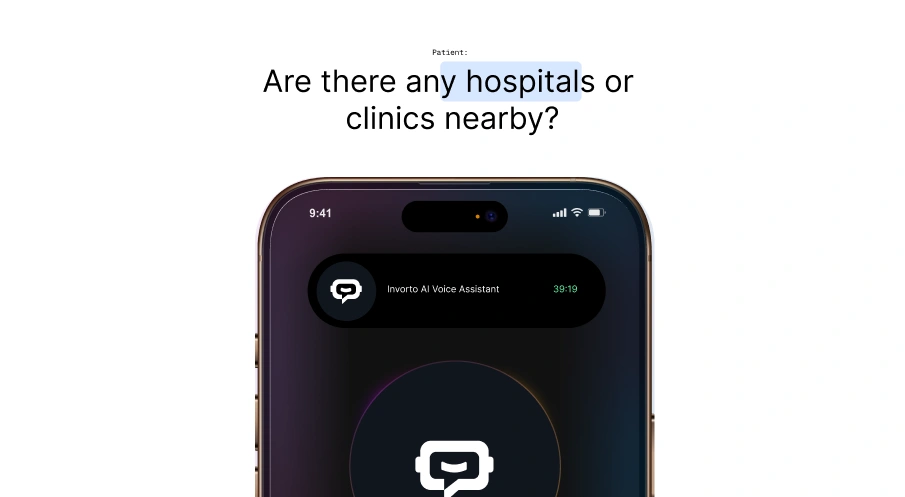
LeadSquared’s very own voice AI agents – Lexi AI and Invorto – are trained to handle manual tasks, looping in humans as required. Both agents can handle inbound patient calls, collect information, book/reschedule/cancel appointments, provide prescription refills, confirm laboratory sample collections and much more.
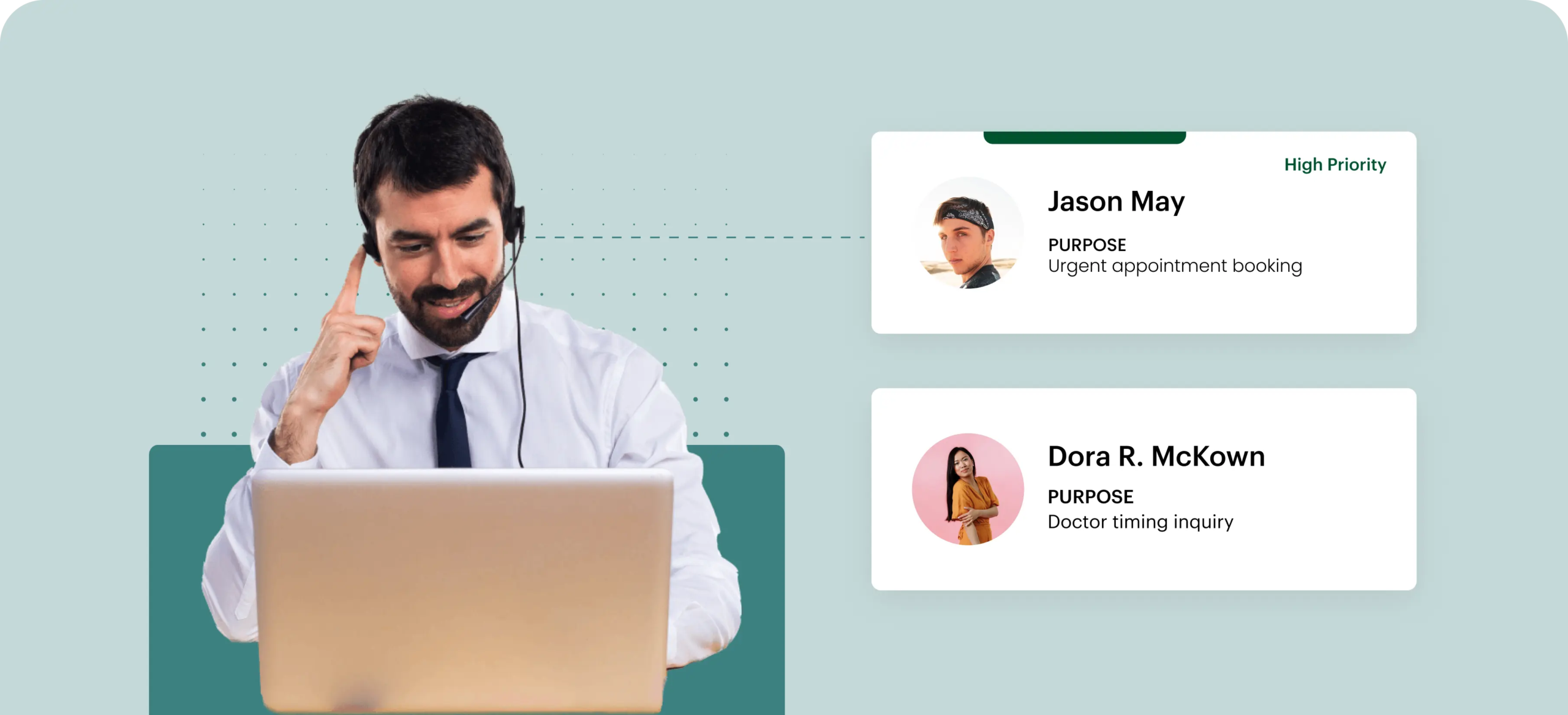
For calls that require human assistance, the agents seamlessly hand off the inquiry to the best-suited staff member by gauging availability, location and urgency – with full context on the patient’s journey.
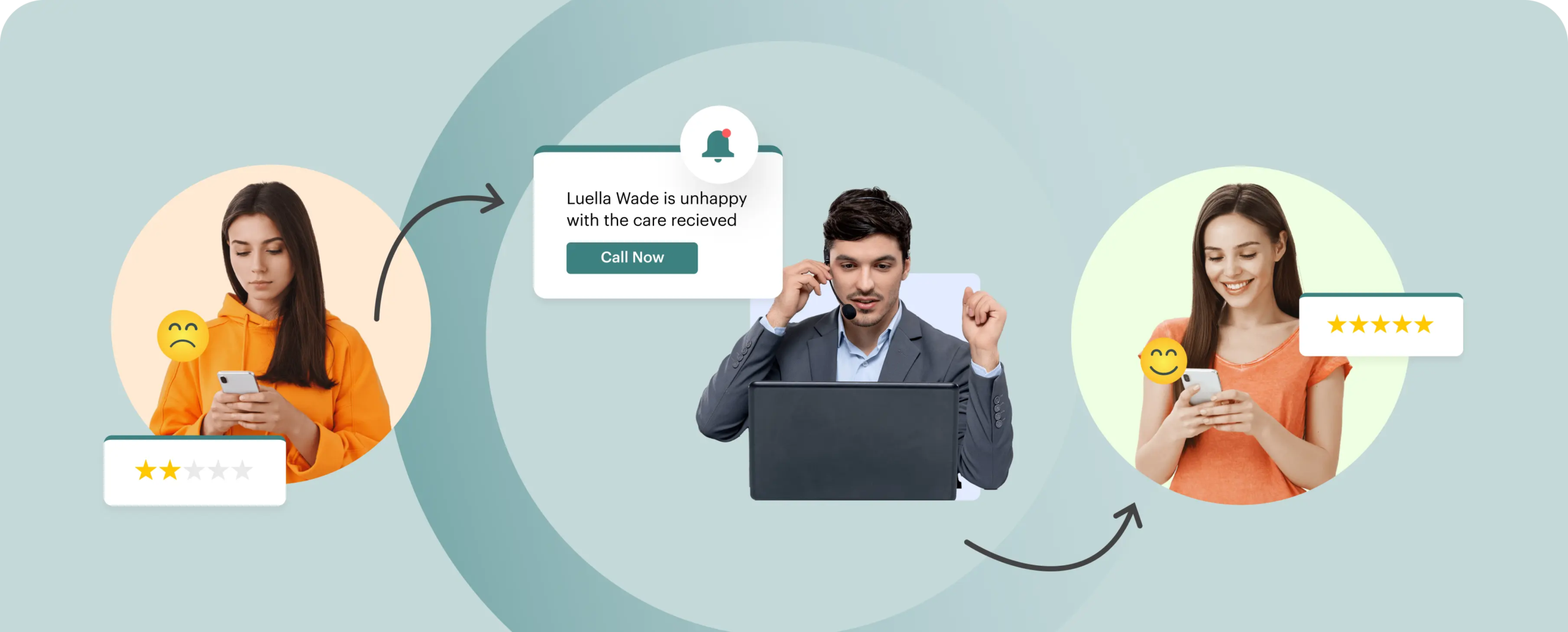
What happens after the appointment is just as important as what happens during the appointment. With LeadSquared, you can automate post-visit communication, adapted to specific patient behavior – without any manual effort from your team. For example, a patient who confirms their follow up can get a preparation reminder a day before the follow-up.
You can deploy customized surveys at any point in the patient journey – after an appointment, a phone interaction or billing. Rule-based workflows trigger instant alerts, helping enhance your patient-provider relationship. Net Promoter Score tracking enables pattern identification, allowing you to spot trends and outliers over time.
Consistent post-visit communication can reduce drop-off between visits, strengthen care plan adherence, and build long-term patient relationships that drive retention and referrals.
With LeadSquared’s analytics and reporting features, you can track campaign performance, patient engagement outcomes, and operational metrics from a single dashboard. Patient-level insights let you drill down into specific campaigns to find what drives results.
You can also monitor appointment volumes, no-show rates, intake completion rates, payment collection, and satisfaction scores across custom time periods. Finally, you can easily export reports for leadership review or compliance documentation, as needed.
LeadSquared integrates with EHR and EMR systems your organization already uses, enabling seamless bidirectional sync of patient records, appointment schedules and clinical data – so your engagement workflows always reflect the latest clinical information. This eliminates duplicate data entry and directly links documents to the correct patient profile.
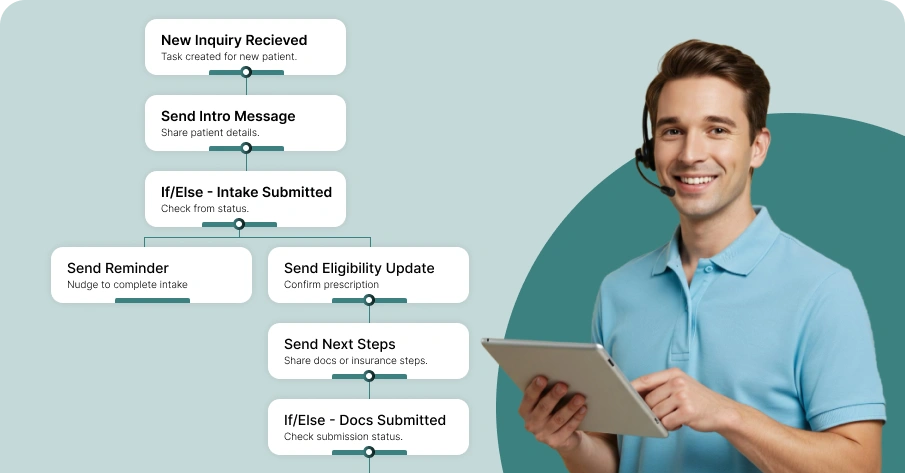
Our no-code workflow builder helps you build patient journeys without needing to write code or waiti on IT. Let your operations teams create, test and deploy engagement sequences with LeadSquared’s drag-and-drop workflow builder.
Patient actions or inactions trigger workflows, which can branch based on patient responses. Run A/B tests on message timing and content, making your seasonal campaigns, announcements and outreach programs go live in hours – not weeks.
Use all your existing tools from a centralized hub… or replace them entirely
with our tools to save yourself a few bucks.


Choosing the right patient engagement software for your organization is a high-stakes decision.
The platform you select will be omnipresent across all patient interactions, connect to all of your
clinical systems and handle protected health information.
Here are some questions to evaluate while selecting your vendor:

Look for vendors that provide a signed BAA, encryption in transit and at-rest, role-based access controls, and audit-logging. Ask for SOC-2 or HITRUST certification.
Confirm whether the vendor can bi-directionally sync data with your specific systems. Ask whether such integrative is native, HL7v2, FHIR or custom-API based.
Patients are digital, and so should your vendor be. Evaluate communication capabilities and co-ordination across email, SMS, voice, popular messaging apps, and patient portal capabilities.
Ensure all stages from scheduling and intake to post-visit follow up, and re-engagement is provided in a single platform.
Most patient engagement platforms provide basic analytics and reporting mechanisms. Look for a vendor that can go beyond – into campaign-level and patient-level reporting, drilldown capabilities and engagement trend tracking.
Pre-visit eligibility checks and point-of-service collections reduce billing friction and patient frustration.
Your IT team might not always be available. Look for a vendor who provides no-code builder capabilities, to let your operations team build workflows without external dependency.
Ask the vendor about onboarding timelines, staff training modules, and post-onboarding support. A platform that takes months to deploy with no staff training will be hard to adopt – and cause revenue loss.
If your vendor can provide case studies with specific, trusted, and verifiable metrics, it means they’re established.
Ensure you understand the model thoroughly: Is it per-user, per-feature, flat rate or custom? How will the pricing change as your organization grows?


“We’re doing seven times the revenue we were doing before LeadSquared with the same number of people, and our conversion rates improved by more than 20 percentage points. That’s the power of automation and integration.”


“Before, we could not get in contact with over 30% of leads. That number has reduced to under 5% now. We’re now handling over 2x the number of leads that we did before the automation existed.”


“With LeadSquared, we have a seamless, patient-centered system that better serves our patients, providers, referral sources, and staff.”
Patient engagement software is a technology that can automate communication, follow-up, and coordination between providers and patients. It includes features such as appointment scheduling, automated reminders and follow-ups, digital forms for intake, payment collection, reporting, and more.
Patient engagement software has many operational benefits, such as fewer no-shows thanks to automated reminders, higher success rate of payment collections, and lower call concurrency due to self-service options. For patients, patient engagement software provides convenience and easy access for booking, documentation, viewing test/lab results, and communication. Consistent engagement via patient engagement software also improves adherence to care plans.
The pricing of a patient engagement software depends upon organization size, requirements, integration capabilities, and the vendor. Some vendors may charge per-user, some charge per-feature, some charge via usage and some, via add-on modules. Implementation and training costs should be considered as well. Most enterprise-grade platforms like LeadSquared provide custom quotes.
A modern patient engagement software integrates with major EHR/EMR systems through HL7v2, FHIR or other APIs. Some software provides one-way data import while others provide bidirectional sync between systems. If you’re choosing a patient engagement software, it’s important to confirm integration capabilities (native/third-party/custom-built) with your vendor.
Patient engagement refers to any interaction or communication between a healthcare provider and their patient. This includes, but is not limited to, reminders, intake, follow ups and feedback. On the other hand, patient activation measures how able a patient is- to manage their own health. An “active” patient takes proactive measures to understand their symptoms, thoroughly follows care plans and adheres to medication.
AI can add automation, help personalize messages for specific patient segments, and provide predictions of at-risk patients. AI-powered voice agents like Invorto can handle inbound queries across channels.
Yes, Most modern patient engagement software support telehealth businesses. Workflows such as reminders, digital check-ins, and follow-ups can be automated. Some patient engagement software can also track session attendance and trigger re-engagement workforce for patients who miss their appointments. For behavioral health organizations, such platforms can integrate session data with engagement workflows, so that staff can identify and follow up with disengaged patients automatically.
Small healthcare practices can benefit greatly from patient engagement solutions. Solo practitioners can handle administrative tasks the same way a large system does, by automating reminders, intake, billing, follow-up, and feedback. This allows the smaller team to maintain consistent communication with a growing patient database, without needing to hire additional staff.


