





- Home

- Learn
- Customer Experience
- 10 Effective Real-World Customer Loyalty Programs Examples
CUSTOMER EXPERIENCE
10 Effective Real-World Customer Loyalty Programs Examples
Contents

 10 min read


In today’s competitive marketplace, businesses are constantly striving to retain customers and cultivate loyalty. Customer loyalty programs have become an essential tool for achieving this goal. These programs are designed to reward customers for their repeat business and foster a long-term relationship between the brand and the consumer.
But what makes a customer loyalty program truly effective?
In this article, we’ll explore various examples of successful customer loyalty programs, and highlight the benefits they bring.
Customer loyalty programs are structured marketing strategies designed to encourage customers to continue to shop at or use the services of a business associated with each program. These programs reward customers for their repeat business and can include various incentives such as points, discounts, exclusive offers, and other perks. The main goal is to enhance customer retention, increase engagement, and ultimately drive higher sales.
Point-based loyalty programs are among the most common. Customers earn points for each purchase, which can then be redeemed as a reward.
Example:
Best buy rewards: Customers earn points for every purchase, which can be redeemed for Best Buy gift certificates and discounts on future purchases.

Tiered programs reward customers based on different levels of loyalty. The more a customer spends or interacts with the brand, the higher the tier they achieve, unlocking more significant rewards.
Example:
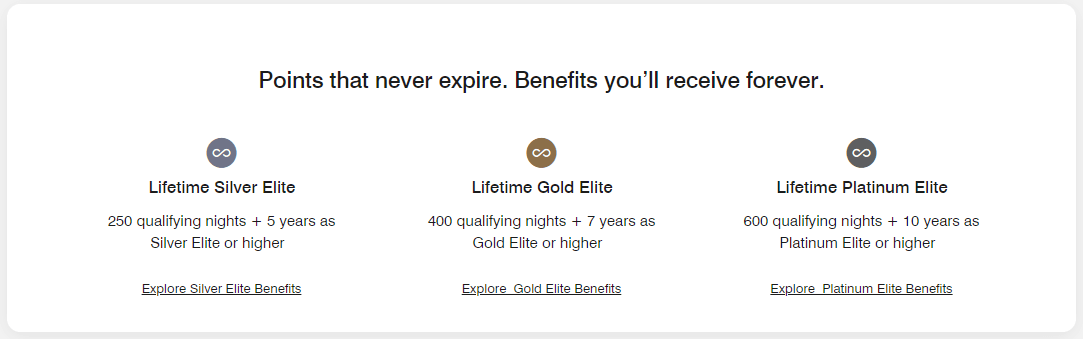
Marriott bonvoy: This program has several tiers – Member, Silver Elite, Gold Elite, Platinum Elite, and Titanium Elite – each offering increasing benefits like free Wi-Fi, room upgrades, and lounge access.
Customers pay a fee to join these programs and receive exclusive benefits in return.
Example:
Costco membership: Members pay an annual fee to access Costco’s warehouses and benefit from lower prices on bulk goods, exclusive deals, and services.

These programs offer customers a percentage of their purchase back as cash rewards.
Example:
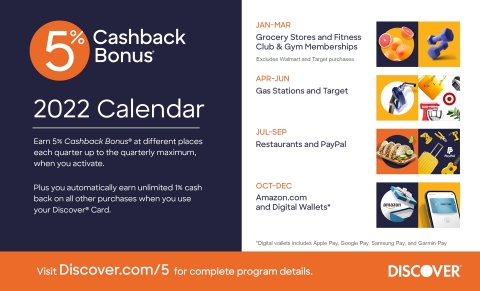
Discover cashback bonus: Discover cardholders earn cashback on every purchase, with rotating categories offering higher cashback rates each quarter.
Coalition programs involve multiple businesses coming together to offer a unified loyalty program, allowing customers to earn and redeem points across different brands.
Example:
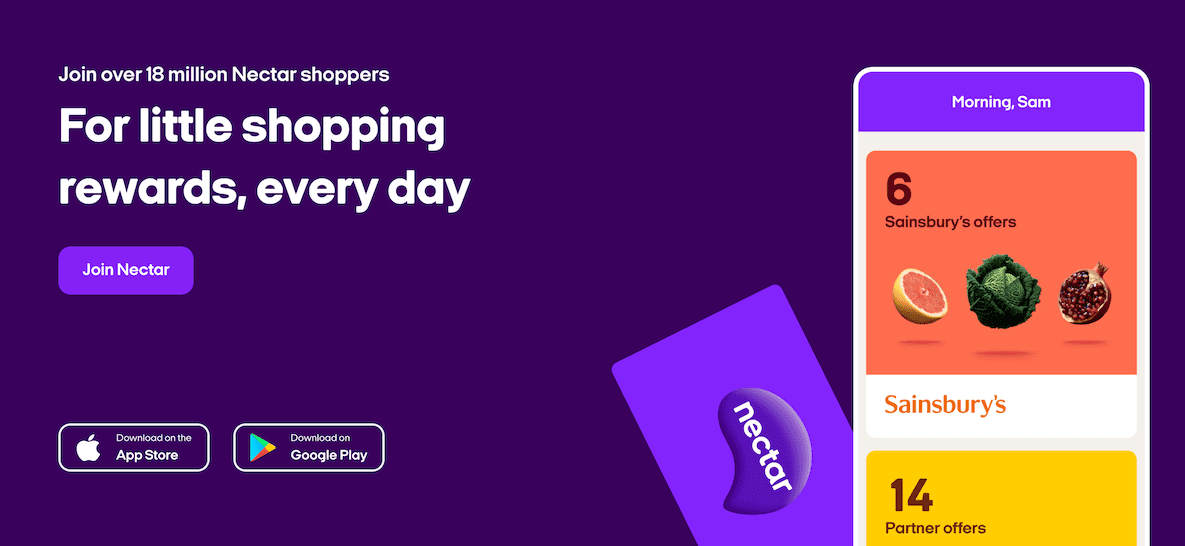
Nectar: UK-based Nectar allows customers to earn points at a variety of retailers, including Sainsbury’s, Argos, and eBay, which can be redeemed for discounts and special offers.
Hybrid programs combine two or more types of loyalty programs to offer a broader range of benefits.
Example:
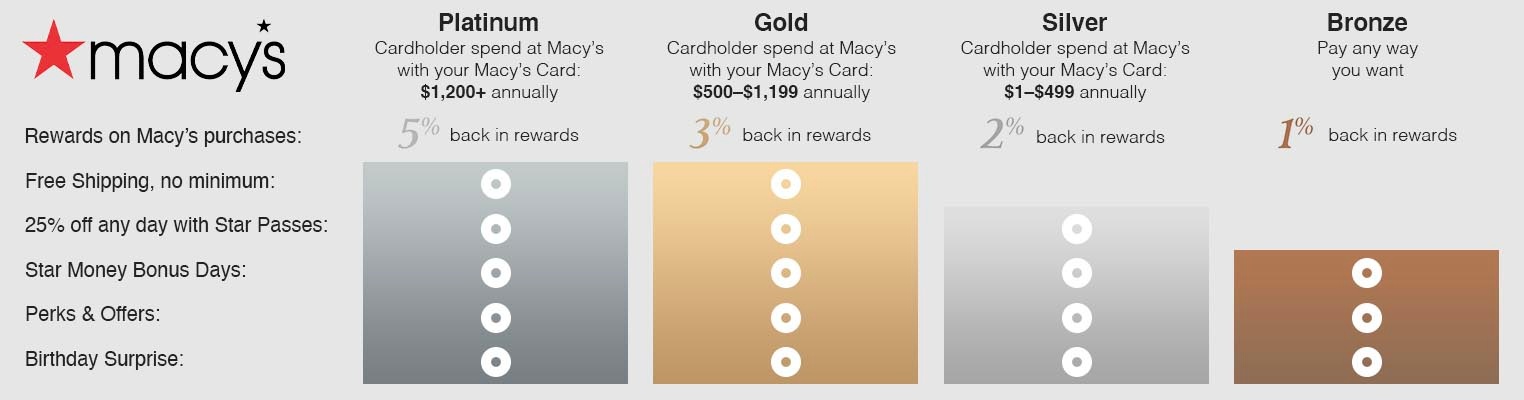
Macy’s star rewards: This program combines points-based rewards with tiered benefits. Members earn points on purchases and enjoy perks like birthday surprises, special savings, and free shipping based on their tier.
These programs focus on aligning with customers’ values, such as sustainability or social causes, offering rewards for behaviors that support these values.
Example:
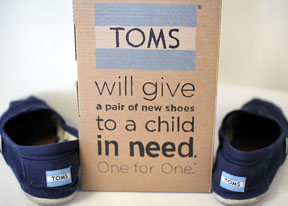
TOMS One for One: TOMS rewards customers by donating a pair of shoes to a child in need for every pair purchased, aligning with social responsibility and customer values.
Starbucks Rewards is one of the most well-known and successful loyalty programs in the world. The program is designed to reward customers for every purchase they make, with points that can be redeemed for free drinks, food, and other perks.
Amazon Prime is a subscription-based loyalty program that offers a range of benefits to its members. While it requires an annual fee, the perks provided often outweigh the cost for frequent Amazon shoppers.
The Sephora Beauty Insider program is a tiered loyalty program that rewards customers based on their annual spending at Sephora.
Rakuten offers a cashback program where customers earn a percentage of their purchase back as cash rewards when they shop through the Rakuten portal.
Air Miles is a coalition loyalty program that allows customers to earn points from a variety of partners and redeem them for travel, merchandise, and more.
Walgreens Balance Rewards combines points-based rewards with personalized offers and discounts to drive customer loyalty.
Patagonia’s Common Threads Initiative aligns with the company’s sustainability values, encouraging customers to reduce, reuse, and recycle.
Nordstrom’s The Nordy Club combines point-based rewards with personalized experiences to enhance customer loyalty.
REI Co-op Membership is a paid program that offers members a range of benefits, including annual dividends, discounts, and access to exclusive events.
Hilton Honors is a hotel loyalty program that rewards members with points for stays, which can be redeemed for free nights, upgrades, and other benefits.
Loyalty programs keep customers engaged by providing them with continuous incentives to interact with the brand. This engagement often translates to higher brand affinity and more word-of-mouth referrals.
These programs provide businesses with valuable customer data and insights, helping them understand purchasing behaviors, preferences, and trends. This data can be used to tailor marketing efforts and improve product offerings.
Loyalty programs are highly effective in improving customer retention. When customers feel valued and rewarded, they are more likely to stay loyal to the brand and make repeat purchases.
By encouraging repeat purchases and higher spending, loyalty programs can significantly boost a company’s revenue. Customers who are part of a loyalty program tend to spend more than non-members.
The first step in creating a successful loyalty program is to understand your customers’ needs, preferences, and behaviors. This involves collecting and analyzing customer data to gain insights into what motivates them.
There are several types of loyalty programs, including point-based systems, tiered programs, and paid memberships. Choose the type that aligns best with your business model and customer base.
Ensure that the rewards you offer are valuable and appealing to your customers. This can include discounts, exclusive products, early access to sales, and personalized offers.
Effectively promote your loyalty program through various marketing channels to ensure that customers are aware of it. Use email marketing, social media, and in-store promotions to spread the word.
Regularly review and analyze the performance of your loyalty program. Use customer feedback and data insights to make necessary improvements and keep the program fresh and engaging.
Customer loyalty programs are a powerful tool for businesses looking to enhance customer retention, engagement, and revenue. By implementing well-designed loyalty programs, companies can create lasting relationships with their customers and stand out in a competitive market. Platforms like LeadSquared provide the tools and insights needed to create and manage these programs effectively.
The key elements include understanding customer needs, offering valuable rewards, using the right type of program, promoting it effectively, and continuously improving based on customer feedback and data insights.
Loyalty programs are important because they increase customer retention, boost sales, enhance engagement, provide valuable customer insights, and offer a competitive advantage in the market.
They should communicate clearly, keep programs simple and accessible, personalize rewards, engage consistently, and track results for optimization. Implementing these strategies helps small businesses leverage loyalty programs to enhance customer retention, drive sales, and build lasting customer loyalty.

 13 min read 10 min read
  10 min read



 Turn Chats into Enrollments: WhatsApp Strategies for Education