Hospitals often receive inquiries through many different channels such as phone calls, website forms, social media, messaging apps, email, and walk-ins. When these channels are not connected, it becomes difficult to know where inquiries are coming from or how patient behavior changes over time. To solve this, the hospital needs a system that can collect, organize, and store all inquiry information in one place.
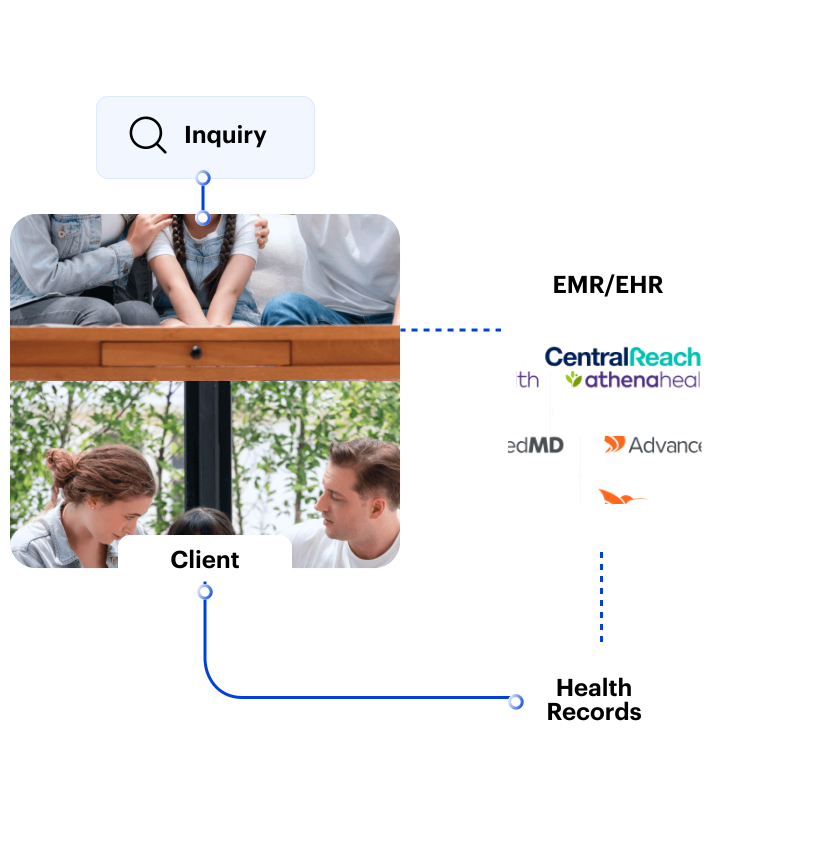
A healthcare CRM (or a patient journey mapping software), such as LeadSquared, can help with this by acting as a central hub. Every inquiry no matter which channel it comes from enters the CRM through integrations with different communication channels. For example, website forms can be connected through simple API links, WhatsApp or social media messages through official connectors, and phone calls through call center software. Once connected, the system automatically tags each inquiry with its source. This tagging makes it possible to see which channels bring the most inquiries, which campaigns are working, and how patients prefer to communicate.
Over time, the CRM builds a record for each patient. If someone first messages on WhatsApp, later fills out a form, and months later calls the hospital, the system can connect all these interactions to the same patient using identifiers like phone numbers or email addresses. This helps staff understand the patient’s history more clearly without having to piece things together manually.
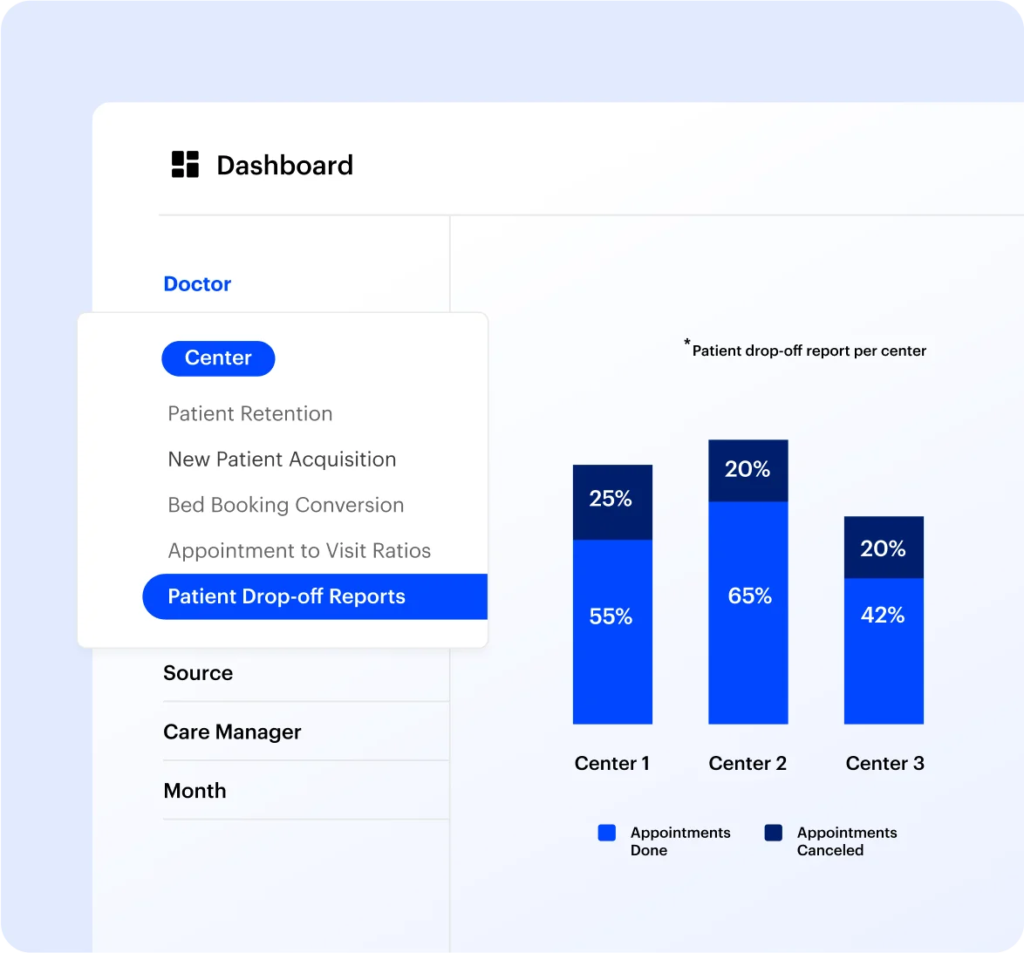
The hospital can also use dashboards offered by the healthcare CRM to review patterns. These dashboards can show how inquiry volumes change by channel, which sources generate more confirmed appointments, and which ones require improvement. If new channels are added later, they can be integrated in the same way so everything stays consistent.
By keeping all channels connected to a single system, the hospital gains a long-term view of patient inquiry sources. This helps the hospital decide where to invest its communication efforts and how to improve patient engagement.