





- Home

- Learn
- Healthcare
- How to improve patient follow-up for better care & engagement
HEALTHCARE
How to improve patient follow-up for better care & engagement
Contents

 16 min read


Consider Michael, who comes in for a visit after experiencing recurring chest discomfort. His clinician reviews his history, adjusts one of his medications, and orders a set of blood tests to be done later in the week. Michael leaves with verbal instructions and a general plan, but once he’s home, the details start to blur. He isn’t sure whether he should schedule the blood test himself, what to do if the discomfort returns, or how soon he should expect to hear about his results.
This kind of uncertainty is common—and it shows why patient follow-up is essential.
Follow-up is the ongoing connection between healthcare providers and patients after a visit. It goes beyond hospital discharge. It includes reviewing test results, monitoring chronic conditions, sending reminders, answering questions, and ensuring patients complete important care steps.
In this article, we will explore practical strategies to improve follow-up, helping healthcare teams deliver better care and keep patients connected at every stage.
Patient follow-up is not a single process. It includes different approaches designed to meet specific needs that keep care on track. Let’s take a look at common types of patient follow-ups.
This type of follow-up usually happens through a phone call, text message, or patient portal message within a few days of the appointment. A nurse or medical assistant may check whether the patient understood their instructions, answer questions, and confirm that medications or tests were scheduled correctly.
Hospitals often schedule a follow-up visit before the patient leaves, and a nurse may call within 24 to 72 hours to check symptoms, review medications, and make sure the patient knows when to seek urgent help. Some systems use automated calls or remote monitoring tools to track recovery.
This is carried out through regular appointments, virtual visits, and periodic check-ins. Patients may submit home readings, like blood pressure or glucose levels, through an app or portal. Care teams use this information to adjust treatment and identify early warning signs.
This follow-up usually happens through the patient portal or a direct call from the clinic. Providers review the results, add explanations or instructions, and contact the patient if any action is needed. Some clinics send automated alerts but still have staff available for questions.
These reminders are often delivered by automated texts, emails, or calls. They notify patients when they are due for vaccinations, screenings, or annual check-ups. Many clinics also review preventive care gaps during unrelated visits to keep patients on track.
This involves more frequent contact. Care managers or nurses may call weekly, use remote monitoring devices, or coordinate with specialists and social workers. The goal is to catch problems early, reduce hospital visits, and ensure the patient has consistent support.
Each type of follow-up has its own purpose and process. Together, they form a network of care that keeps patients supported, informed, and engaged beyond the clinic visit.
| Type of patient follow-up | When it occurs | Main purpose | How it is usually carried out |
| Routine post-visit follow-up | A few days after a regular clinic visit | Ensure the patient understands instructions and next steps | Phone call, text, or patient portal message from a nurse or medical assistant |
| Post-discharge follow-up | 24–72 hours after hospital discharge | Support safe recovery and prevent complications or readmission | Scheduled follow-up appointment, nurse phone call, remote monitoring, or automated check-in |
| Chronic care follow-up | On a regular schedule (weekly, monthly, or quarterly) | Track long-term conditions and adjust treatment as needed | In-person visits, virtual visits, periodic check-ins, or patient-submitted home readings |
| Lab result follow-up | When results become available | Explain results and guide next steps | Patient portal messages, phone calls, automated alerts with the option to contact the clinic |
| Preventive care reminders | Before screenings, vaccines, or check-ups are due | Keep patients up to date on routine prevention | Automated texts, emails, calls, or reminders generated during other clinic visits |
| High-risk patient monitoring | Frequent and ongoing | Detect problems early for patients with complex conditions | Regular calls, remote monitoring devices, coordination with specialists or care managers |
Understanding the landscape of follow-up allows us to move into the core question: how do you build a system that supports all of it effectively?

A clinic may intend to call patients after visits or check on high-risk patients more often; but if ownership is unclear, these tasks become difficult to keep track of. Staff may assume someone else already reached out, or they may not know what information they’re expected to gather. As a result, follow-up becomes inconsistent and unreliable.
To fix this, every clinic should create simple, role-based protocols for each type of follow-up. These protocols can answer four basic questions:
One of the simplest ways to strengthen follow-up is to schedule the next step before the patient walks out the door.
Patients often intend to schedule later, but life gets busy. They may forget or feel unsure about when they should return. When the clinic handles this upfront, it removes the burden from the patients.
Recent evidence supports this approach. A 2024 study of children recently discharged from intensive care found that when a larger percentage of follow-up appointments were scheduled before families left the hospital, overall follow-up adherence improved. In this study, “adherence” included whether families completed the recommended follow-up visits, making it a meaningful indicator of real-world success. While the study did not provide detailed attendance numbers, it clearly showed that proactive scheduling leads to better completion of needed care.
In short, pre-scheduling is a practical way to increase follow-through.
Automation has become a powerful support tool in healthcare, especially for routine communication. It reduces manual work and ensures patients receive timely reminders without relying on staff to remember every task.
Automation works best for predictable, low-risk tasks. For example, clinics can automatically send appointment reminders, medication reminders, or simple check-in messages like “How are you feeling today?” It is also helpful for sharing instructions, educational resources, or links to complete forms. These types of messages are consistent, repeatable, and don’t require clinical judgment, which makes them ideal for digital workflows.
But automation has limits. A message like “I’m feeling worse today” or “I don’t understand how to take my medication” should never be handled by automated replies. This is where trained staff—nurses, coordinators, or clinicians—step in to assess the situation and provide support.
Tools such as healthcare CRMs make this easier by offering features like automated messaging with alerts that notify staff when a patient needs personal attention. These systems can schedule reminders, track responses, and route urgent messages to the right person. When balanced correctly, healthcare workflow automation can keep things moving in the background while freeing your staff up for high-priority tasks.
A simple three-level model works well to personalize your follow-ups.
High-risk patients—such as those with unstable symptoms, recent hospitalizations, or complex conditions—need frequent or more personal follow-ups. This may mean phone calls from nurses, regular check-ins, or shorter intervals between visits.
Medium-risk patients benefit from a combination of automation and human contact. They may receive automated reminders or digital check-ins, but a staff member still reviews their responses or reaches out if something looks concerning.
Low-risk patients usually need only basic reminders or a single follow-up. Automated messages are often enough because their conditions are stable and the chances of complications are low.
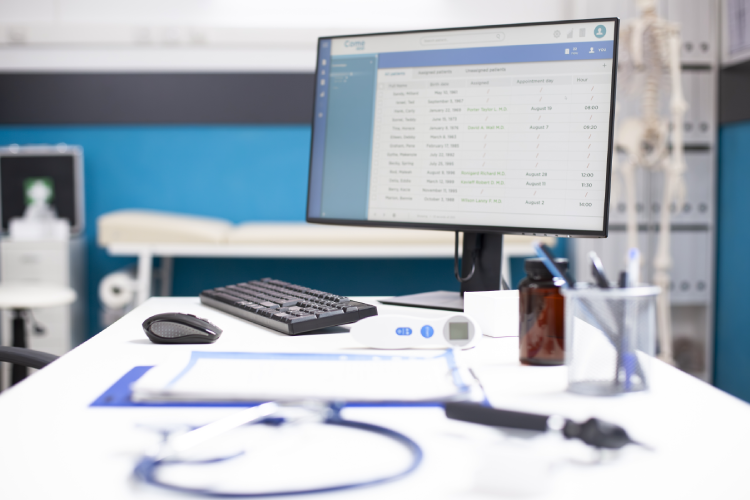
Effective patient follow-up doesn’t require complex or expensive technology. Even a basic setup can make a big difference if it covers four key needs.
At a minimum, clinics need a reliable way to store and access patient information. Electronic health records (EHRs) or simple digital charts allow staff to see a patient’s history, recent visits, medications, and follow-up requirements in one place.
Automated reminders for appointments, medications, or check-ins reduce missed follow-ups. These can be delivered via phone, text, email, or patient portals using a healthcare CRM or appointment reminder software.
Keeping a record of every call, message, or outreach ensures continuity of care. Staff can see what was discussed and whether further action is needed.
Dashboards provide an at-a-glance view of which patients have completed follow-ups, which are pending, and which need urgent attention. This helps teams stay organized and prioritize their efforts.
HIPAA-compliant Healthcare CRMs, like LeadSquared, can combine many of these functions on one platform. It helps clinics handle their communications, track patient responses, and alert staff when a human follow-up is needed.
A follow-up workflow lays out exactly what happens after a patient visit. Here is a practical example used in many clinics:
Effective patient follow-up is a common challenge for clinics. Missed appointments, inconsistent check-ins, and unclear responsibilities can compromise patient care and create extra work for staff. This article has outlined practical steps to make follow-up systematic: defining clear roles, scheduling in advance, using automation appropriately, personalizing based on patient risk, closing the loop, and tracking key metrics.
Digital tools, such as healthcare CRMs, can help put these practices into action. They allow clinics to schedule and track follow-ups, send reminders, log interactions, and flag patients who need urgent attention. By integrating these tools thoughtfully, clinics can make follow-up more consistent, efficient, and patient-centered.
For those interested in seeing how a healthcare CRM can simplify and strengthen patient follow-up, LeadSquared offers a free demo to explore its features in real-world practice.
Patient follow-up helps ensure continuity of care, especially when treatment plans, medications, or lab tests are involved. It confirms that instructions are being followed, identifies complications early, and allows providers to adjust care when needed. Without follow-up, patients may miss test results, misunderstand medication changes, or avoid reporting new symptoms, which can lead to poorer health outcomes.
Patients may skip follow-up because they feel better and assume it is no longer necessary, forget appointments, face transportation or cost issues, or find scheduling difficult. Sometimes the instructions were unclear or they did not understand why follow-up matters.
The timing depends on the patient’s condition. Higher risk patients, such as those recovering from a recent procedure or serious illness, usually need earlier follow-up. Routine or stable cases can wait longer, but patients still need clear guidance on when the next step will occur.
Automation works well for routine reminders, medication alerts, lab test notifications, and simple check-in messages. It should not replace human contact when a patient reports symptoms, confusion, or distress. In those situations, a staff member needs to step in and assess the patient’s needs.
Clinics that serve patients with complex needs, or those who face language, financial, or social challenges often see higher rates of missed follow-up. A study in academic medical centers found that younger patients, people with limited English proficiency, and socially vulnerable groups had higher loss to follow-up. These clinics benefit from clear protocols and structured tracking systems.
A practical approach is to combine automation for routine reminders with manual outreach for higher risk patients. Clinics can use simple tools to log calls, track who is due for follow-up, and view overall follow-up status. Some clinics use healthcare CRM systems to manage reminders, document interactions, and alert staff when personal attention is required.
A healthcare CRM helps organize follow-up tasks, send reminders, track patient responses, and maintain a complete history of interactions. For clinics with many patients and varied follow-up needs, a CRM can reduce missed steps and support timely communication. When used correctly, it helps staff manage follow-up more consistently while still providing human support when needed.
Several predictable mistakes tend to hurt follow-up quality. One is relying entirely on automated reminders. Automation helps with routine tasks, but patients with questions or new symptoms still need a real person to check in. Another mistake is failing to document follow-up attempts. Without a clear record of calls, messages, and patient responses, clinics lose visibility into what actually happened. A third issue is not trying again after a missed follow-up.
Many patients simply forget or are temporarily unavailable, so having a protocol for a second attempt is important. Finally, treating every patient the same is also a mistake. Someone with chronic conditions or recent complications needs closer follow-up than someone with a straightforward visit.
Clinics can avoid these issues by combining automation with personal outreach, keeping consistent documentation, retrying missed contacts, and tailoring follow-up intensity based on patient risk. Tools like LeadSquared’s healthcare CRM can support these steps by helping teams track interactions, schedule follow-ups, and flag patients who need extra attention.
Clinics can strengthen their follow-up process by monitoring a few practical metrics. First, track how many follow-ups are actually completed. If completion rates are low, it may indicate unclear procedures or gaps in outreach.
Second, measure how quickly the first follow-up occurs. Timely contact is especially important for high-risk or post-procedure patients.
Third, track non-response rates. Some patients may miss calls, overlook messages, or disengage. Identifying this early helps clinics adjust their approach, such as switching communication channels or increasing outreach attempts for certain patient groups.
Finally, collect patient feedback on follow-up quality. A short survey or quick question can reveal whether patients feel supported, understood, and prepared.
Tools like healthcare CRMs, including LeadSquared, can make it easier to track these metrics in one place.
Closing the loop means making sure a follow-up interaction is fully resolved rather than just initiated. This involves three steps. First, the care team confirms that the patient understands their instructions, medications, and next steps, and checks whether they are experiencing any new or concerning symptoms. Second, the interaction is documented in the patient’s record, so the next provider or staff member has an accurate context. Finally, any issues that require clinical attention are escalated to a nurse or clinician right away.
Hospitals often try to manage follow-ups manually through phone calls or notes, but this usually leads to delays and inconsistent communication. To handle this more reliably, the hospital needs a system that keeps track of upcoming follow-up dates and helps staff reach out at the right time.
A healthcare CRM can support this by creating automated reminders as soon as a patient completes a consultation, procedure, or discharge. When staff enter the recommended follow-up date into the CRM or when it is pulled in from the HIS integration, the system stores it in the patient’s timeline. It then schedules reminders in advance, such as a message a week before the due date and another reminder a day before. These reminders can be sent through SMS, WhatsApp, email, or app notifications depending on what the patient prefers.
Staff can also use the CRM’s task management features. For example, after a surgery, the CRM can create tasks for follow-up calls that appear on the care coordinator’s or nurse’s daily to-do list. If a patient does not respond to the first reminder, the system can alert the responsible team so they can call the patient directly.
The CRM also helps keep all follow-up interactions in one place. If a patient reschedules, cancels, or confirms, the system records it. This gives staff a complete view of who has already been contacted and which follow-ups are overdue.
Dashboards can help teams monitor overall progress by showing upcoming follow-ups, missed ones, and the number of patients due for review. This helps management plan staffing and ensure no group of patients is overlooked.
1
2

 17 min read
  7 min read
  12 min read


 Healthcare data migration guide for EHR and EMR systems