





- Home

- Learn
- Process Automation
- Vendor Onboarding Checklist: Be More Organized and Efficient
PROCESS AUTOMATION
Vendor Onboarding Checklist: Be More Organized and Efficient
Contents

 9 min read


To deliver quality products/services to your customers consistently, you must onboard the right vendors.
But how do you figure that out? Who is the right vendor for your organization? And more importantly, how do you make sure that you are onboarding a legitimate one?
By running a background check, you intend to onboard right vendors and reduce the risk of inconsistencies in your offerings. But then, how do you make sure that your onboarding specialists are collecting the right information to qualify them?
This is exactly where a checklist comes into play.
So,
A vendor onboarding checklist consists of a list of details that you need from potential suppliers before you onboard them into your ecosystem. It acts as a screening process to identify and onboard the right vendors and makes your data collection process consistent and efficient.
However, gathering documents from different vendors every day and cross-referencing them with corresponding accounts before forwarding them to the verification teams can be time-consuming and becomes chaotic when done manually.
But you are not alone in this. We’ve worked with some of the leading aggregators in the market and noticed a few challenges common to almost all of them.
Onboarding a new vendor consists of various steps and involves more than one department. Here are some common challenges that you might relate to.
A checklist plays a vital role in overcoming these challenges. By outlining the steps and requirements necessary, you can ensure compliance, standardize the document collection process and streamline communication.
The cycle to onboard new vendors becomes slower when your specialists have a disorganized process of collecting documents or are to be constantly reminded about the documents they need to collect from their potential vendors. A vendor onboarding checklist will streamline the collection process and help onboard a new vendor faster.
Each document/ piece of information necessary to onboard a new vendor is laid out in the checklist under every step of the onboarding process to bring new vendors into your ecosystem without compromising on quality.
A checklist ensures that every vendor you onboard meet all the regulatory and compliance requirements, reducing your legal risk significantly.
A checklist also acts as a standard operating procedure for your onboarding teams. Your specialists can tick things off when it comes to collecting necessary information, making the whole process more efficient.
It supports your teams in setting up clear expectations for vendors regarding the standards they need to follow consistently.
Now that we’re on the same page to have an onboarding checklist, here’s a sample you can use.
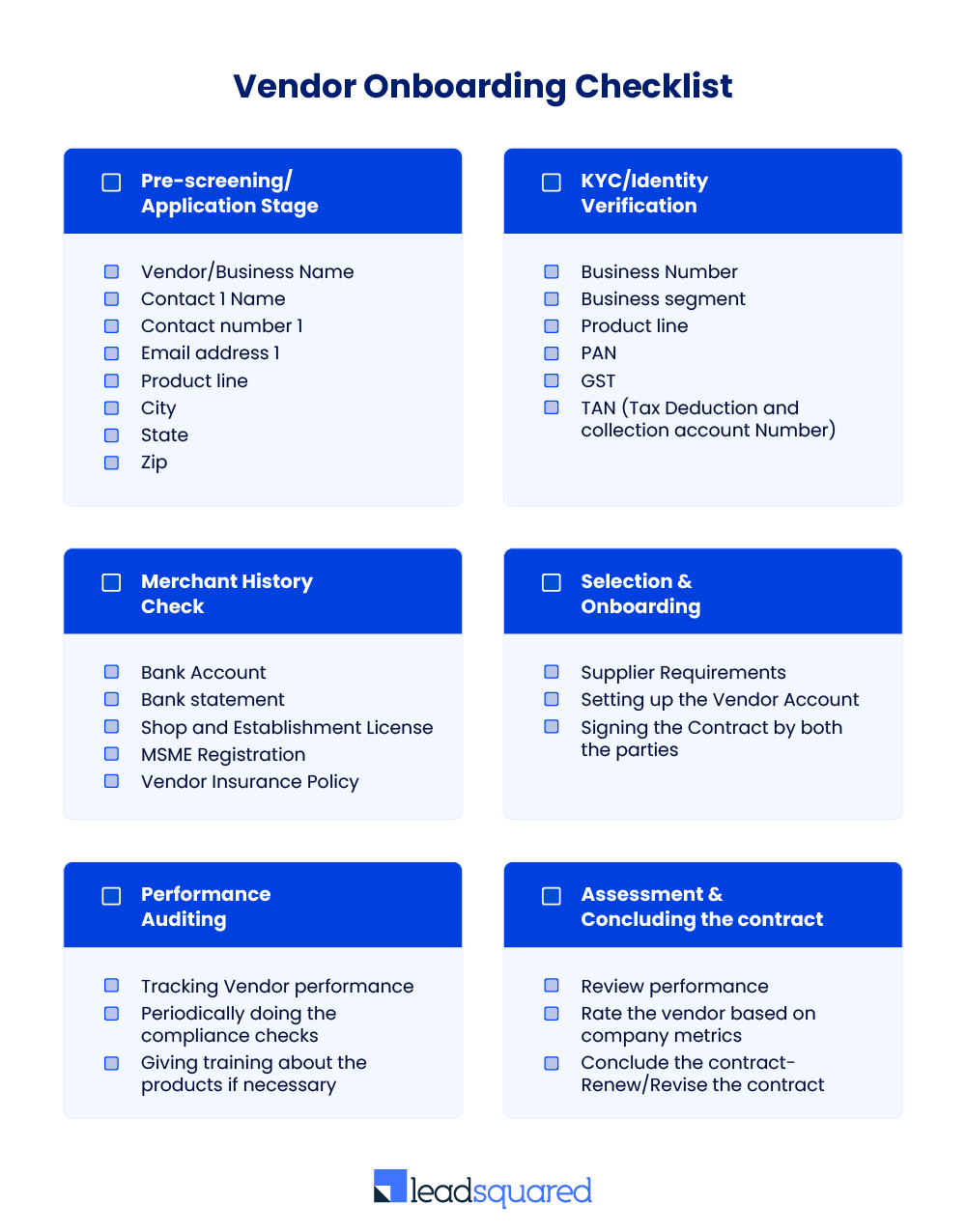
Okay, now that it is clear why you need an onboarding checklist, here are a couple of things you need to keep in mind while onboarding new vendors.
Begin your onboarding journey by first identifying and documenting your organization’s needs. This will help your vendor understand the product/service they must deliver. Start evaluating potential vendors based on their:
To do this, your onboarding specialist can visit the vendor facility, have a compliance check with respect to the legal requirements, and contact their customer for feedback.
Once your teams have identified vendors for potential collaboration, begin the onboarding process by reviewing the requirements with vendors, such as order quantity, delivery dates, payment processes, pricing, etc. Start drafting a contract that outlines all these deliverables and allow room for flexibility in case of unforeseen circumstances.
Once you’ve discussed all the deliverables with the vendor and you both are on the same page, finalize the contract. Depending on your organization’s structure, get the necessary approvals from departments such as legal, procurement, finance, and so on.
Once you have onboarded a new vendor, keep a check on them and be in touch with them often.
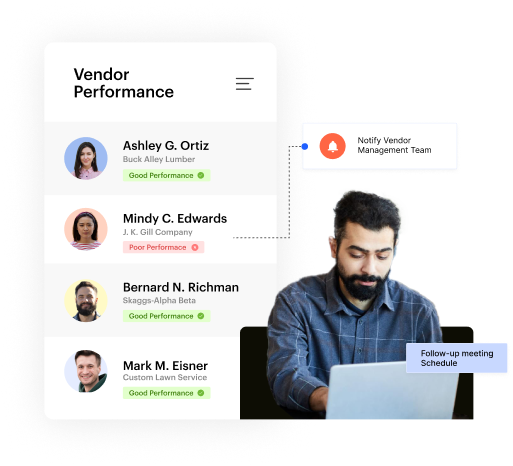
While you are putting the contract together, clearly outline the KPIs to evaluate the performance of the vendor. This can be timelines of delivery, product/service quality, payments processing etc. Once the vendor starts delivering, assess them frequently to evaluate if they’re able to meet your company’s expectations as mentioned in the contract.
If you are a service aggregator like Urban Company or Uber, make sure that you are providing your vendors with sufficient training to ensure they understand your organization’s workflow and are able to deliver consistent quality.
Now, having a checklist does eliminate the mistakes made and streamline the document collection to a certain extent, and it will reduce the delays/overlaps that your organization faces, but what truly saves your onboarding teams time is automating the onboarding journey.
If you’re looking for a strong reason to automate your vendor onboarding process, let me give you three.
First, speed is the ultimate weapon you have against your competition. The faster you reach your prospects, the more likely you can turn them into potential partners. With LeadSquared mobile app, your onboarding teams can access and identify potential businesses in their area and add them to the database while on the go.
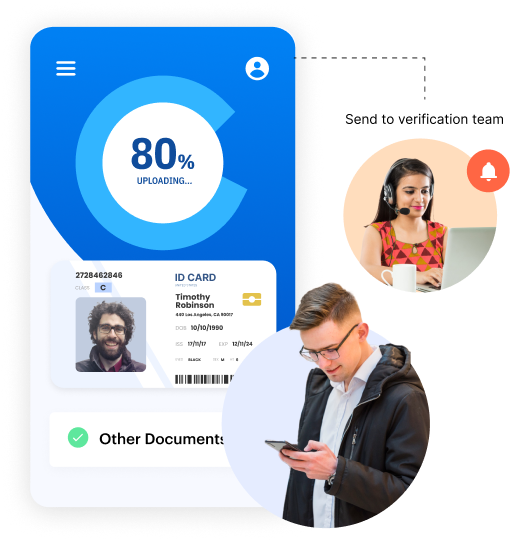
Second, mistakes are costly, and somebody must pay the price. If your onboarding teams manually take the documents and upload them for verification later, this slows down your onboarding process and is prone to errors. With LeadSquared, as soon as your onboarding teams identify potential partners, they can collect all the necessary data with the help of simple forms. Or they can simply click a picture, the data is automatically extracted from the document and is mapped against the lead. Later, this data is automatically sent and assigned to the verification teams.
Finally, you can increase the productivity of your onboarding teams by helping them with automated beat plans for the day.
There is so much more than what meets the eye. If this article and checklist were able to help you save time in your current process, then it’s time to explore our Vendor Onboarding Software.
Click here to get in touch with us.
Essentially vendor onboarding process should include these 5 stages in it:
1. Pre-screening/Application of the vendor
2. KYC/Identity verification
3. Vendor history check
4. Performance Auditing
5. Assessment & concluding the contract
Vendor onboarding can present various problems that businesses need to address to ensure a smooth and effective onboarding flow. Here are some common problems encountered:
1. Incomplete or Inaccurate Information provided by vendors
2. Poor communication or lack of clarity in instructions
3. Establishing key performance indicators
4. Lack of structured process for onboarding
5. Insufficient training materials.
While the exact documents vary by industry and business type, most vendor onboarding checklists require the following categories of information. For identity and legal verification: business registration certificates, GST or tax identification numbers, and government-issued ID of the business owner. For financial due diligence: bank account details, recent bank statements, and financial solvency proofs. For compliance and quality: industry-specific certifications or licenses, regulatory approvals, and insurance certificates. For operational readiness: product/service catalogs, pricing agreements, and sample contracts. Collecting all of these upfront — rather than in a back-and-forth process is what makes a structured checklist so valuable for reducing onboarding time and errors.
The timeline for onboarding a new vendor can vary widely depending on the complexity of the business, the number of departments involved in approvals, and whether the process is manual or automated. For straightforward vendors with all documentation ready, a well-structured process can be completed in 3 to 7 business days. However, manual onboarding processes that involve back-and-forth document collection, offline verifications, and multi-department sign-offs can stretch to 3 to 6 weeks or longer for high-risk or international vendors. Automating document collection, verification workflows, and approval routing can cut this timeline dramatically, often reducing it by 50% or more, which directly translates to faster time-to-value from new vendor relationships.
Vendor onboarding is the initial process of bringing a new supplier into your ecosystem — verifying their credentials, collecting documents, signing contracts, and setting up systems for collaboration. It is a one-time activity that happens at the beginning of the vendor relationship. Vendor management, on the other hand, is the ongoing practice of monitoring, evaluating, and optimizing vendor performance throughout the entire duration of the relationship. This includes tracking KPIs, conducting quality audits, handling contract renewals, and resolving disputes. Think of vendor onboarding as the entry point and vendor management as everything that follows. A strong onboarding process sets the foundation for effective vendor management because vendors who are onboarded with clear expectations, documented KPIs, and standardized processes are much easier to manage over time.

 13 min read
  15 min read 12 min read


 Decoding the Indian Home Loan Market