




Admission Software for Universities & Higher Ed Institutions
Drive paperless admission and nurture students with LeadSquared’s simple and intuitive admission software.








What is admission software?
Admission software is a platform that helps universities and higher education institutions manage the full applicant journey — from initial enquiry through application, document collection, counsellor follow-up, and final enrolment. Unlike generic CRMs or post-enrolment ERPs, admission software is purpose-built for how admissions teams actually work: high enquiry volumes from multiple channels, counsellor-led conversations, paperless application workflows, and the need to track every prospective student from first contact to admitted candidate.
Streamline communication and create transparency in communication across departments.
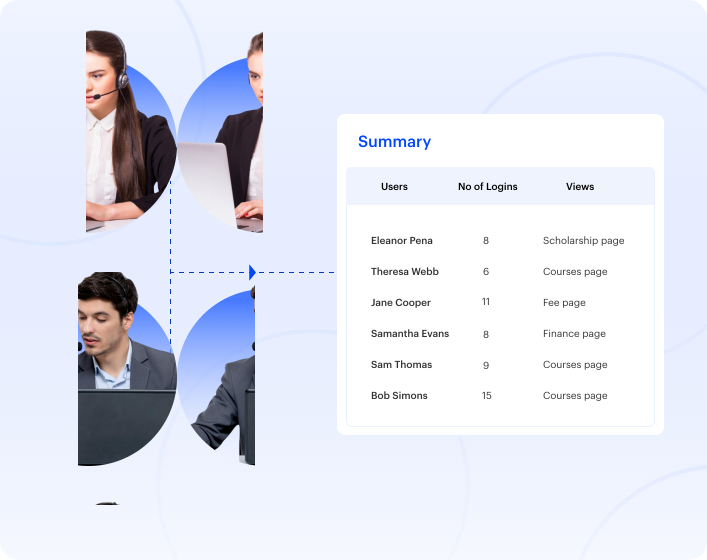
Create an automated workflow to remind, track, and update the application status of each student.

With updates, triggers, and reminders, reduce human errors and smooth student onboarding.

Ensure students’ details and documents are handled securely.

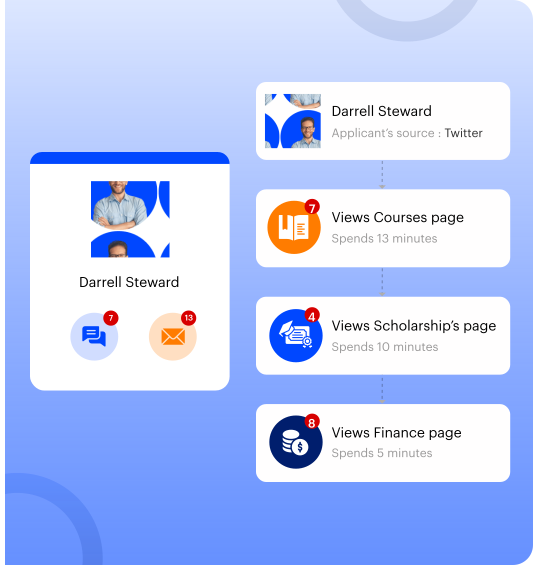

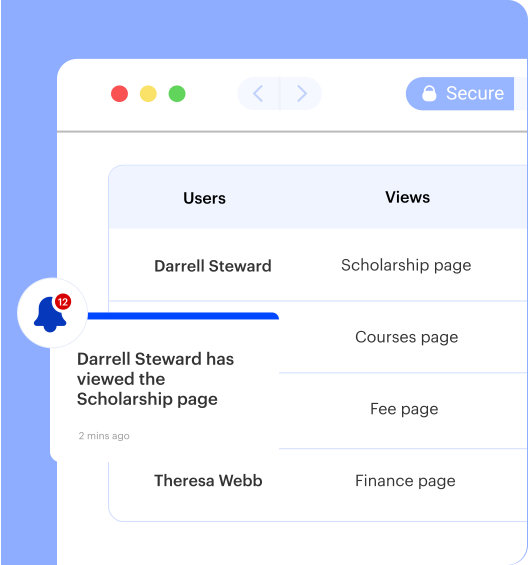
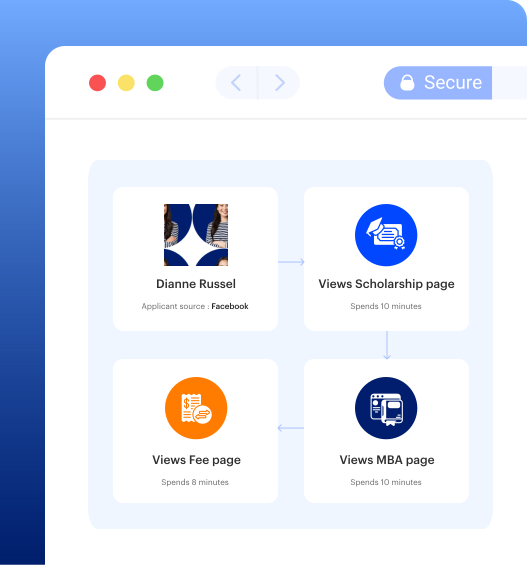
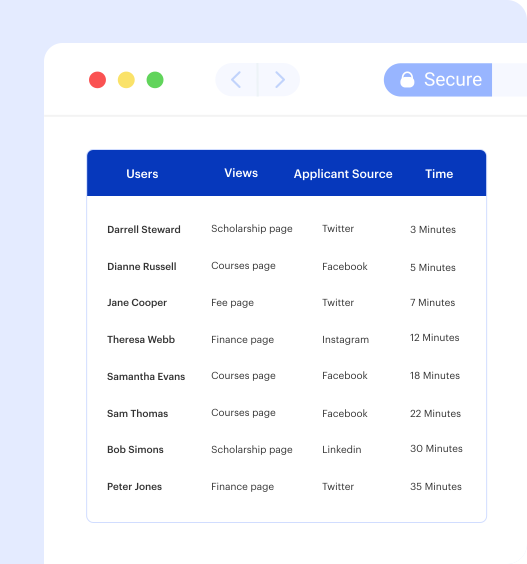
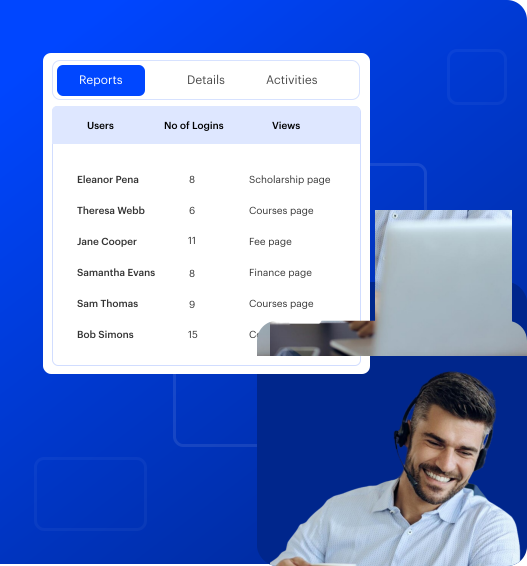
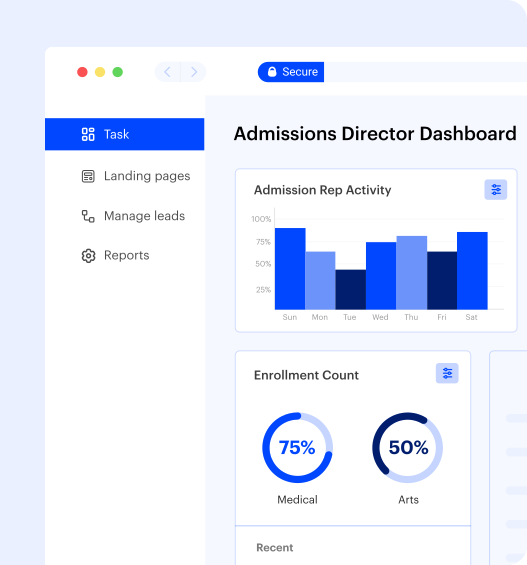
LeadSquared’s admission software offers pre-built automations and customization
capabilities to meet your needs. Always.
Create custom workflows to engage, nurture, and delight your students. Enable counselors to work productively by automating repetitive tasks. Notify stakeholders with timely updates and reminders.
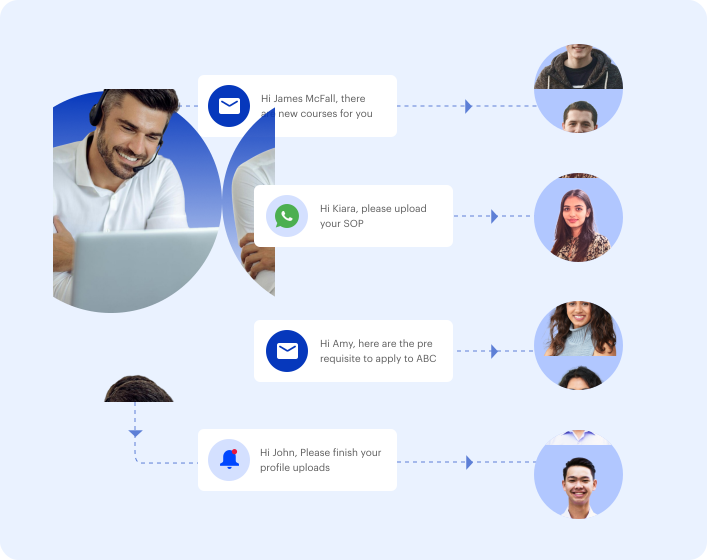
Build a paperless admissions journey through self-serve portals. Help counselors and students keep track of applications every step of the way.

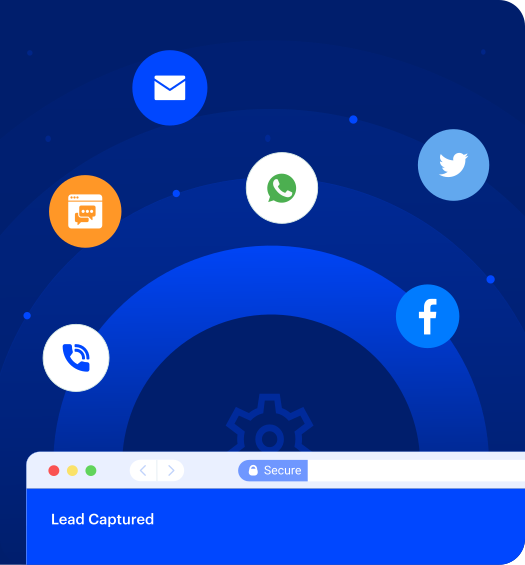
Ensure information is shared and passed across every tool you use, whether sending out emails, messages, payment information, or updating your SIS.

Here’s a companion to interact with prospective students even when you’re away from your desk. Execute successful campus fairs, events, and more with a handy mobile app for admissions.








What should institutions look for in admission software for universities?
The best admission software for universities supports the full applicant lifecycle — multi-channel enquiry capture, automated communication, application tracking with document collection, counsellor productivity tools, integration with student information systems, and reporting that maps the admissions funnel end-to-end. Institutions should also evaluate scalability (can the platform handle peak intake volumes), customisation (do workflows match how your counsellors actually work), and integration depth (does it connect cleanly with your existing SIS, payment gateway, and communication channels).
What is the difference between an admissions software and an ERP?
An admissions software captures and manages the end-to-end student onboarding process—from inquiry capture to enrollment. In contrast, an ERP system comes into play after the student has been admitted to the institution.
How does admission software differ from a Student Information System (SIS)?
Admission software and a Student Information System serve different stages of the student lifecycle. Admission software handles the pre-enrolment phase — enquiry capture, application tracking, counsellor follow-ups, and the conversion of prospects into admitted students. A Student Information System takes over after admission, managing academic records, course registrations, attendance, grades, and graduation. Most universities use both, with the admission software integrating into the SIS so applicant data flows automatically once an admission is confirmed.
What channels should admission software support?
Modern admission software should support every channel applicants actually use: website forms, email, SMS, WhatsApp, phone calls, social media DMs, paid campaign landing pages, education fair sign-ups, and third-party aggregator integrations. Beyond capture, the software should log every interaction across these channels into a single applicant timeline, so counsellors see the full conversation history regardless of where the original enquiry came from.
How does admission software improve counsellor productivity?
Admission software improves counsellor productivity by automating the repetitive work that fills most counsellors’ days — enquiry data entry, follow-up reminders, status updates, document collection, and reporting. With automation handling the administrative load, counsellors spend more time on actual student conversations. Most institutions see meaningful gains in conversations per counsellor per day, response times, and applications closed within the intake window.
Can admission software handle international and multi-campus admissions?
Yes — admission software designed for higher education typically supports multi-campus, multi-programme, and international admissions through configurable workflows. This includes region-specific application forms, multilingual communication, agent network tracking for international recruitment, and consolidated reporting across campuses or country offices. Institutions running multiple programmes should confirm that the platform supports programme-specific journeys rather than forcing one universal workflow.
How long does it take to implement admission software?
Implementation timelines for admission software typically range from four to twelve weeks, depending on institution size, the complexity of existing workflows, and how many integrations are required (SIS, payment gateway, email and SMS providers, lead source connectors). Cloud-based admission platforms with pre-built integrations tend to deploy faster than legacy on-premises systems. Most vendors offer phased rollouts — going live with core enquiry management first, then layering in advanced features like custom reporting and applicant scoring.
Is admission software secure enough to handle student data?
Reputable admission software platforms maintain enterprise-grade security including encrypted data storage, role-based access controls, audit logs of every user action, and compliance with relevant data protection regulations (GDPR for European applicants, FERPA for US institutions). Institutions should verify the platform’s certifications (ISO 27001, SOC 2) and confirm where applicant data is stored, particularly when handling international applicants subject to cross-border data residency requirements.
How does admission software differ from a Student Information System (SIS)?
Admission software and a Student Information System serve different stages of the student lifecycle. Admission software handles the pre-enrolment phase — enquiry capture, application tracking, counsellor follow-ups, and the conversion of prospects into admitted students. A Student Information System takes over after admission, managing academic records, course registrations, attendance, grades, and graduation. Most universities use both, with the admission software integrating into the SIS so applicant data flows automatically once an admission is confirmed.
How long does it take to implement admission software?
Implementation timelines for admission software typically range from four to twelve weeks, depending on institution size, the complexity of existing workflows, and how many integrations are required (SIS, payment gateway, email and SMS providers, lead source connectors). Cloud-based admission platforms with pre-built integrations tend to deploy faster than legacy on-premises systems. Most vendors offer phased rollouts — going live with core enquiry management first, then layering in advanced features like custom reporting and applicant scoring.


